

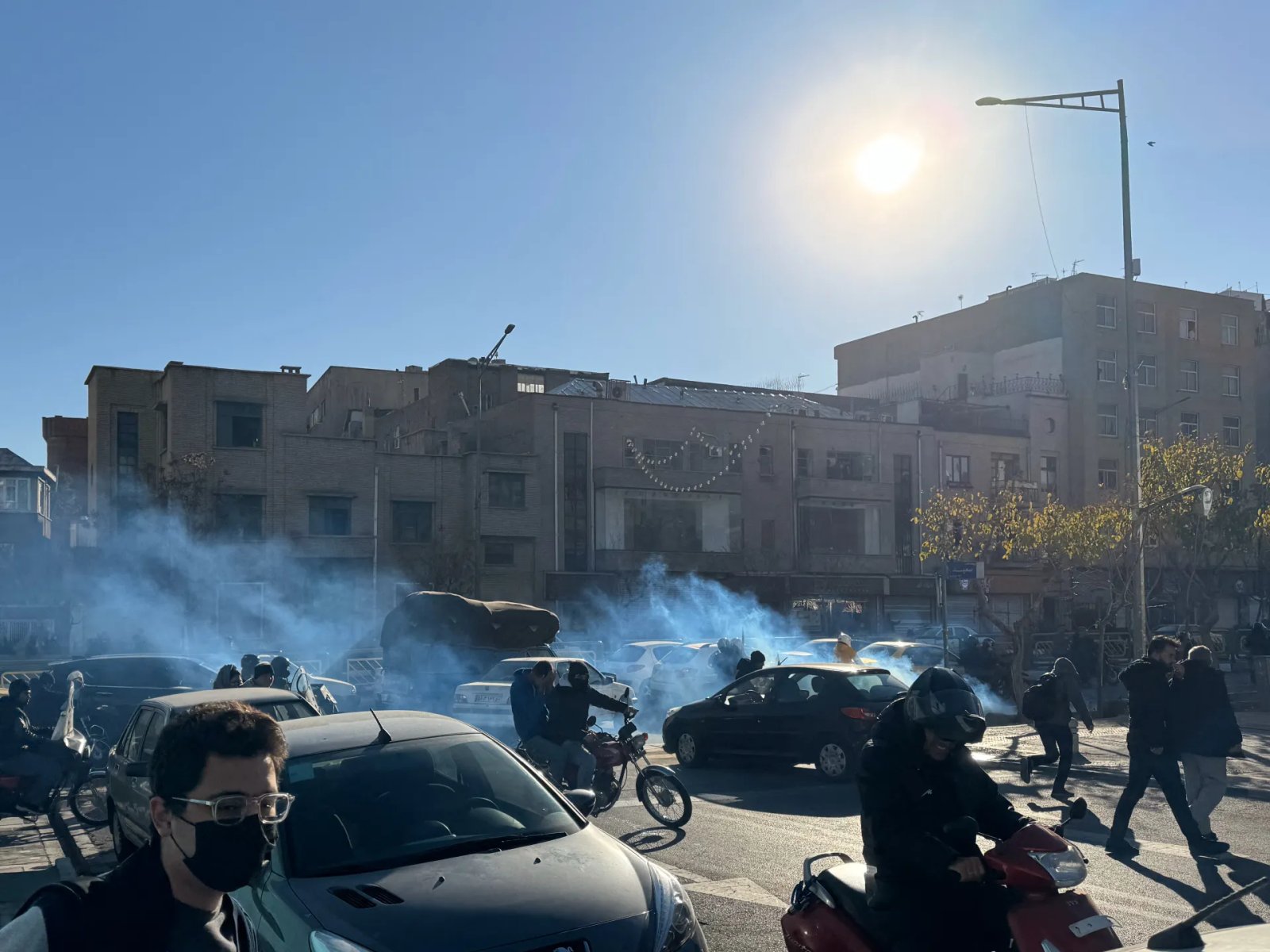
Iranian President Addresses Growing Tensions Amid Protests Over Inflation
Amid escalating protests fueled by rising living costs, the Iranian president is working to ease tensions by recognizing the “legitimate” concerns of demonstrators. The unrest has already led to tragic losses, with reports indicating that at least five individuals have lost their lives as protests spread across the nation.
Protests Intensify Across the Country
In the city of Azna, located in Lorestan province about 300 kilometers southwest of Tehran, three individuals were reported dead and 17 others injured during protests, according to the semi-official Fars news agency. Online videos showcased scenes of chaos, with objects ablaze and gunfire ringing out as protesters shouted slogans like “Shameless! Shameless!”
Earlier reports indicated that two additional fatalities occurred in Lordegan, situated roughly 470 kilometers south of Tehran, amidst similar demonstrations. As tensions flared, protesters resorted to throwing stones at local government buildings, including the governor’s office, town hall, and banks, prompting police to respond with tear gas.
Casualties Among Security Forces and Citizens
Iranian state media confirmed that a member of the Basij volunteer force was killed during clashes in the western city of Kouhdasht. This violence unfolded against the backdrop of widespread demonstrations that began earlier in the week following a wave of protests from shopkeepers dissatisfied with the government’s handling of the country’s currency devaluation and inflationary pressures.
Government’s Response to Unrest
Reporting from Tehran, Tohid Asadi from Al Jazeera explained that the government has adopted a more restrained approach to the current protests compared to its handling of previous ones. The Iranian administration is actively seeking solutions to alleviate economic hardships faced by the public.
President Masoud Pezeshkian acknowledged the protestors’ “legitimate demands” and urged action to improve the country’s economic conditions. He emphasized the moral imperative to address citizens’ livelihood issues, stating, “From an Islamic perspective, if we do not resolve the issue of people’s livelihoods, we will end up in hell.”
Dialogue and Warnings from Authorities
Government spokesperson Fatemeh Mohajerani announced that authorities would engage directly with trade unions and merchant representatives to discuss concerns, although specifics were not disclosed. However, the administration has also pledged a robust response to any attempts to escalate the situation into greater chaos.
Iran’s prosecutor general warned that any efforts to manipulate economic protests for insecurity or destruction would be met with a “legal, proportionate and decisive response.” In a related note, Tasnim news agency reported the detention of seven individuals allegedly linked to groups based outside Iran that are hostile to the government.
Conclusion
As protests simmer across Iran, the government walks a tightrope between acknowledging citizens’ grievances and maintaining order. The situation remains fluid as officials vow to address the economic turmoil that has sparked widespread discontent.
Key Takeaways
- The Iranian president has recognized the demonstrators’ complaints about rising costs as legitimate.
- Fatalities have been reported among both protesters and security forces during recent clashes.
- The government is seeking to engage in dialogue with trade unions while maintaining a firm stance against chaos.
- The unrest reflects broader economic challenges exacerbated by inflation and sanctions.