

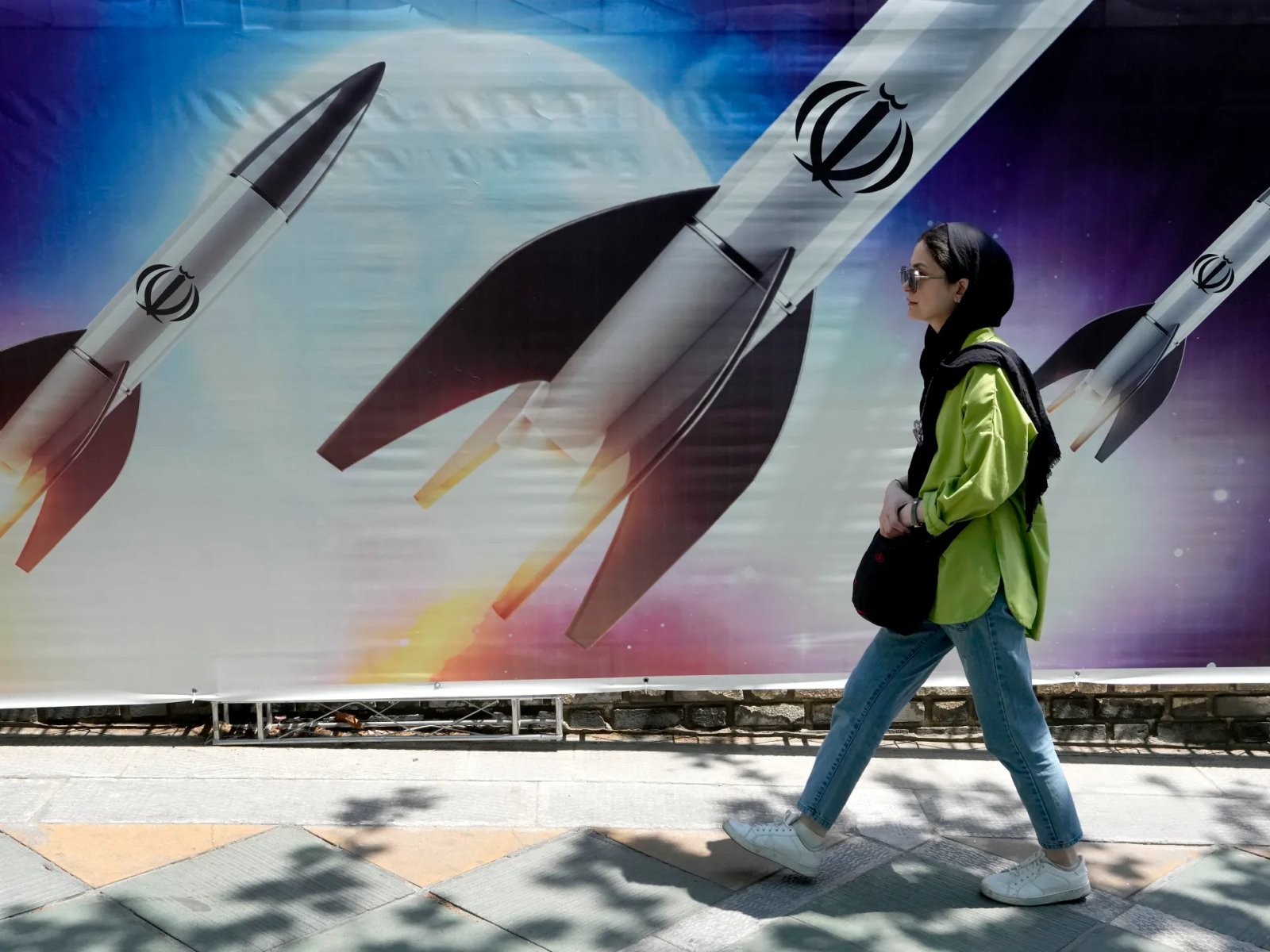
Iran’s Response to US Military Threats: Tensions Escalate
The geopolitical landscape between the United States and Iran is once again heating up as President Trump warns of military action should Iran attempt to revive its nuclear or missile programs. This article explores the implications of these threats and Iran’s strong response amid rising tension.
The Stark Warning from Iran
In a clear message of defiance, Iranian leader Masoud Pezeshkian stated that Iran would retaliate fiercely against any military aggression. This comes on the heels of President Trump’s remarks made during a meeting with Israeli Prime Minister Benjamin Netanyahu at his resort in Florida, where he reiterated support for the Israeli stance on regional security.
US Military Focus Shifts
Interestingly, the United States has traditionally concentrated on Iran’s nuclear program, but recent statements indicate a shift toward potential military action against Iran’s missile capabilities, a long-standing goal for Israel. Iran maintains that its nuclear endeavors are solely for peaceful purposes, a claim that has not been substantiated by US intelligence or the UN’s nuclear watchdog prior to the June hostilities involving the US and Israel.
Negotiations Off the Table
Pezeshkian has made it clear that Iran will not engage in talks regarding its missile program. His comments underscore the dangerous reality of an escalating conflict, especially following the intense 12-day war in June that resulted in significant casualties on both sides.
Trump’s Threats Intensify
Trump’s threats are explicit; during a news conference, he emphasized that the US would respond strongly should Iran make any advancements in its nuclear capabilities. “If they are, we’re going to have to knock them down,” he stated emphatically, indicating readiness for immediate strikes against both nuclear and missile facilities.
Concerns from Israeli Officials
Israeli officials are increasingly worried about Iran’s potential to rebuild its ballistic missile arsenal, which was notably diminished during June’s conflict. An Israeli official remarked on the need for decisive action if the US fails to curtail Iran’s missile development.
A Complex Standoff
The current situation is described by Pezeshkian as a “full-scale war” involving not only the US and Israel but also Europe, presenting challenges that are deemed more intricate than those Iran faced during the Iran-Iraq war of the 1980s, which claimed over a million lives.
A Brief Recap of Hostilities
During the June conflict, Israel launched nearly 360 airstrikes across various Iranian provinces, targeting military and governmental sites. These strikes reportedly resulted in the destruction of around 1,000 ballistic missiles and the elimination of numerous senior military leaders and nuclear scientists. In response, Iran fired over 500 missiles towards Israel, with significant impacts felt in populated areas.
The Aftermath and Future Implications
Despite the destruction and turmoil, Iranian officials express confidence in their military readiness, insisting they are now better equipped for any confrontation. Pezeshkian noted that Iran’s armed forces have significantly bolstered their capabilities since the ceasefire.
The recent war did not spark the level of internal dissent that Netanyahu may have anticipated, as daily life in Tehran has largely remained unaffected by the hostilities.
Conclusion
With tensions continuing to rise between the US and Iran, the situation remains precarious. Both nations appear on a collision course with the potential for significant military engagement looming on the horizon.
- Iran has warned of severe retaliation against any aggression from the US.
- Trump offers strong support for military action targeting Iran’s capabilities.
- Israeli officials express concerns over Iran rebuilding its missile stockpile.
- The aftermath of the June conflict leaves Iran claiming improved military readiness.