

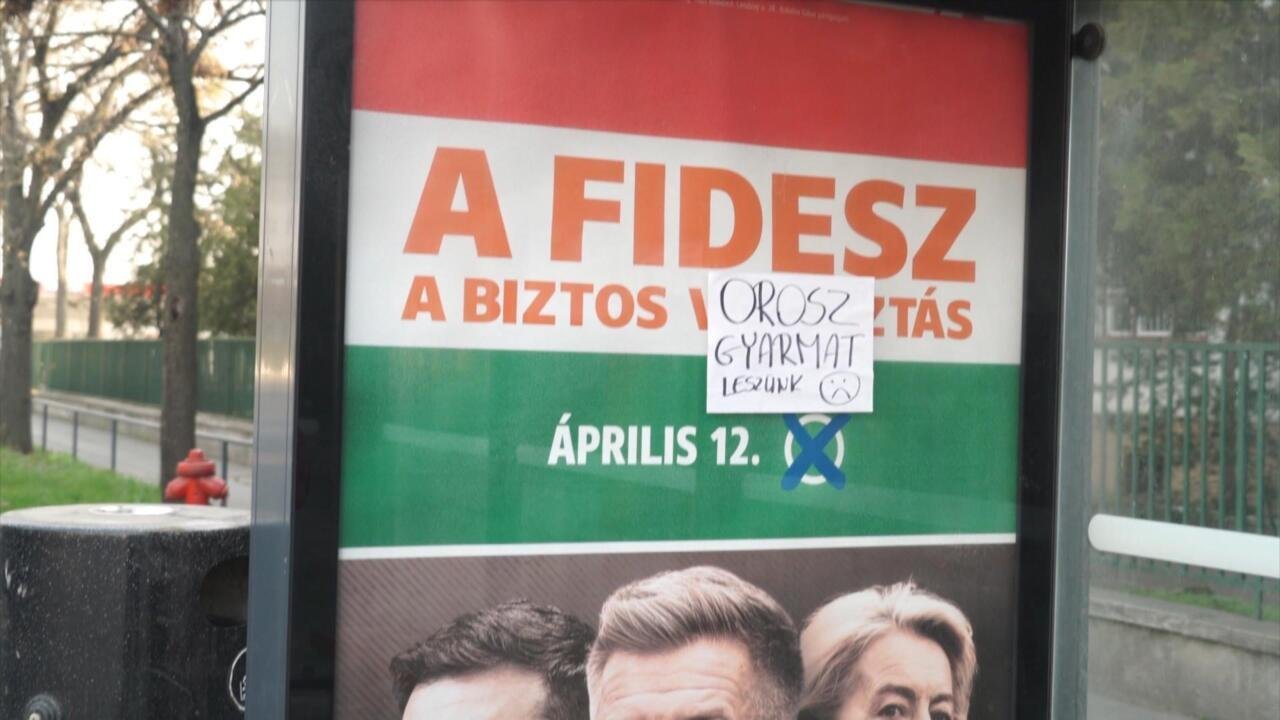
Hungary’s Upcoming Election: Potential Impacts Beyond Borders
As Hungary approaches a pivotal election this Sunday, the implications could extend well beyond its own borders. Under Prime Minister Viktor Orban’s leadership since 2010, Hungary has adopted a series of controversial policies, earning it the designation of “partly free” by Freedom House, making it the only EU nation to receive this classification. Furthermore, Orban’s close relationship with Vladimir Putin has introduced complexities into Europe’s response to the ongoing conflict in Ukraine. Hungary has positioned itself as a contentious figure within the EU, yet it has also served as a template for rising far-right movements in other countries. The pressing question now is whether this model is beginning to lose its momentum.
Current Political Climate
Recent opinion polls indicate a significant advantage for the center-right opposition party, known as the Tisza party, which is headed by Peter Magyar. An interesting twist is that Magyar previously belonged to Orban’s party but made a defection in 2024. This shift has stirred the political landscape and challenged Orban’s dominance.
Economic Factors at Play
The government’s attempts to stimulate sluggish economic performance through Chinese investments appear to be falling short. The complications arising from these initiatives could further weaken Orban’s administration as the election nears.