

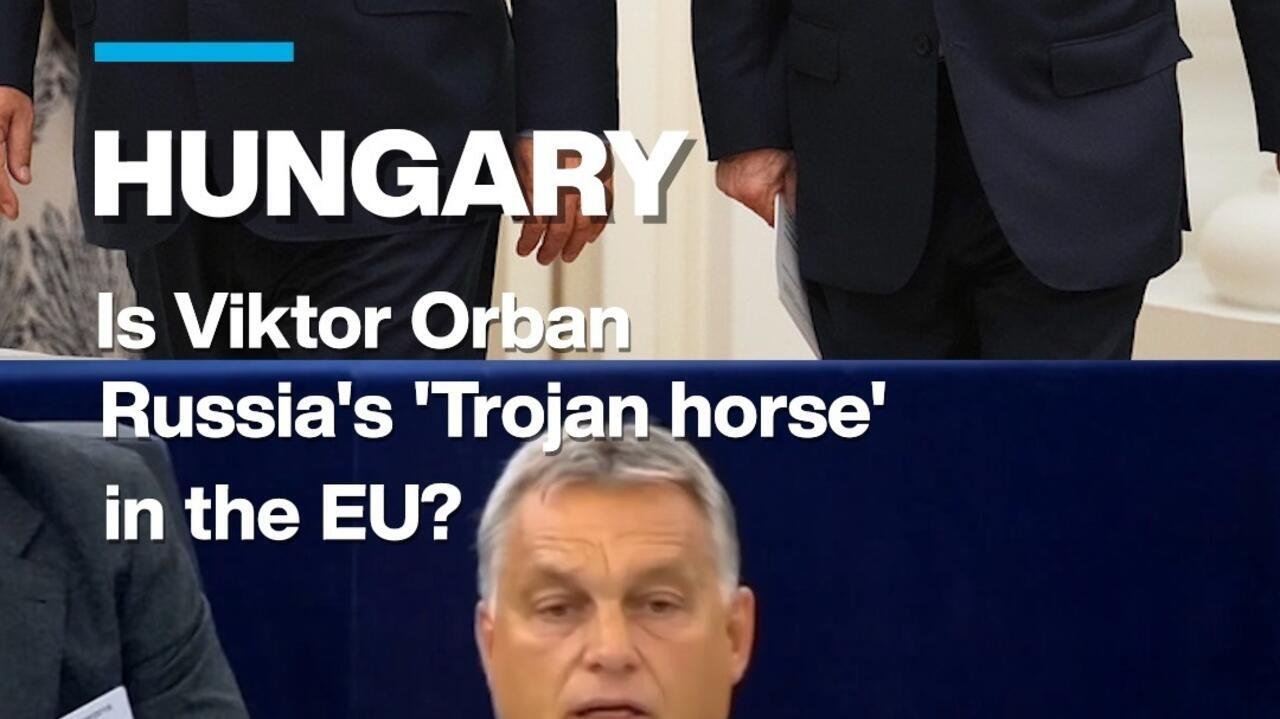
Is Hungary’s PM Viktor Orban Russia’s “Trojan Horse” in Europe?
As Hungary approaches its legislative elections, a notable narrative has emerged regarding Prime Minister Viktor Orban’s close ties with Russia. From frequent meetings with President Vladimir Putin to his firm opposition to European financial assistance for Ukraine, there are several elements that could sway voters’ opinions. This article delves into these dynamics and what they mean for Hungary’s political landscape.
Connecting with Russia
Viktor Orban has maintained a consistent presence in discussions with Russian leadership. His meetings with Vladimir Putin have raised eyebrows, especially in light of the ongoing geopolitical tensions within Europe. These interactions go beyond mere diplomacy; they suggest a deeper alignment that many see as problematic for Hungary’s position in the EU.
Opposition to European Aid
Orban’s resistance to supporting financial aid packages for Ukraine has positioned him as a controversial figure among European leaders. Critics argue that this stance aligns Hungary more closely with Moscow’s interests rather than those of the European Union, raising questions about where his loyalties truly lie.
The Kremlin Hotline: A Unique Communication Channel
One intriguing aspect of Orban’s approach is his “Kremlin hotline,” which provides him with real-time updates during EU summits. This direct line of communication with Russia could be perceived as an advantage, but it also highlights his unorthodox position within European politics.
Implications for Voters
As Hungary prepares for elections, these relationships may influence voters, particularly those concerned about national sovereignty and alignment with Western ideals. The perception of Orban as Russia’s “Trojan horse” could either galvanize or alienate different segments of the electorate, depending on how these issues resonate with them.
Conclusion
In summary, Viktor Orban’s close ties with Russia, coupled with his opposition to Ukraine’s aid and unique communication strategies, are pivotal considerations for voters heading into Hungary’s legislative elections. The implications of his relationships with Moscow could significantly impact Hungary’s future within the European Union.
- Viktor Orban’s frequent meetings with Vladimir Putin raise concerns about his alignment with Russia.
- His opposition to European aid for Ukraine positions him controversially within the EU framework.
- The “Kremlin hotline” allows Orban unique access to information during European discussions.
- These factors will likely influence voter sentiment in Hungary’s upcoming elections.