

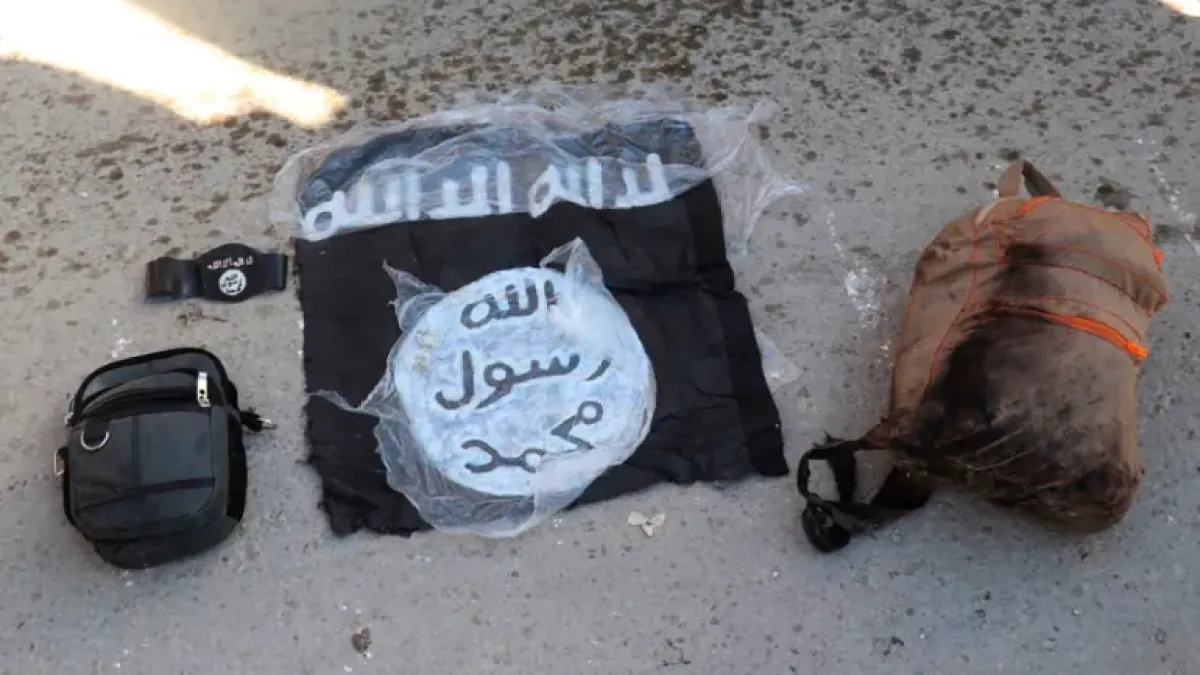
A Closer Look at the Recent ISIL-Related Attack in Syria
On December 13, a joint patrol involving US and Syrian forces faced an unexpected ambush near Palmyra, a historic city in central Syria once under the control of the ISIL (ISIS) group. The tragic incident resulted in the deaths of two US soldiers and an interpreter, while four additional individuals sustained injuries before the attacker was neutralized by Syrian forces. This event not only underscores the pressing security issues in the region but also signifies the increasing collaboration between the US and Syria in combating ISIL.
The Attack and Its Aftermath
In the wake of the ambush, US and Syrian officials pointed fingers at ISIL, a group notorious for its previous dominance over extensive territories in Syria and Iraq. Both nations committed to retaliation as investigations unfolded. This incident demonstrates the evolving ties between the US and Syrian governments against a common adversary, particularly after Syria’s consent to join a US-led coalition aimed at countering ISIL last November.
The Attacker’s Background
Although it remains uncertain whether the assailant had direct links to ISIL or another faction opposed to US-Syrian relations, analysts highlight a strengthening partnership between the two nations. “The Syrian government has increased its efforts to combat ISIL in response to US requests, building on historical policies to suppress the group,” remarked Rob Geist Pinfold, an expert on international security.
ISIL’s Footprint in Syria
ISIL’s takeover of Palmyra happened in May 2015, marking a significant chapter in its expansion within the region. The city, known for its remarkable Greco-Roman ruins, changed hands from the Syrian government to ISIL multiple times until the group’s eventual expulsion in 2017. Following this, many surviving ISIL fighters were either detained in US and SDF-controlled camps or escaped into the vast desert landscapes, occasionally launching attacks.
Impact of Recent Events on ISIL
After the collapse of former President Bashar al-Assad’s regime on December 8, 2024, ISIL fighters capitalized on the situation, launching attacks across various cities, including a tragic incident in June that resulted in the deaths of at least 25 individuals in a church in Damascus. Current estimates suggest that ISIL retains between 3,000 to 5,000 fighters in Iraq and Syria. Experts emphasize that coordination between Damascus and Washington has markedly improved over the previous year, with Syrian security forces successfully thwarting numerous ISIL plots aided by US intelligence.
Security and Recruitment Challenges
As the Assad regime fell, uncertainties loomed over the enforcement of security across Syria. The influx of new recruits into Syria’s security apparatus raised concerns around effective vetting. Analysts suggest that the attack in Palmyra highlights deeper structural issues rather than merely being an isolated incident. “Rapid recruitment combined with a permissive environment for radical ideologies presents inherent security challenges,” stated Nanar Hawash, a senior analyst.
Despite the ongoing challenges, experts believe that Syria’s security forces will enhance their vetting processes over time. However, the possibility of similar attacks remains, which could impact perceptions of the newly formed government’s ability to ensure safety.
ISIL’s Evolving Objectives
ISIL’s goals have shifted in the current landscape following the fall of Assad. Analysts propose that the group is now focused on destabilizing the region rather than seizing territorial control. “ISIL aims to remain relevant and sow chaos in the region,” Samy Akil noted. Their tactics reflect a strategy of harassment, targeting not only security personnel but also religious minorities and foreign nationals, creating an environment where they can thrive.
Conclusion
In summary, the recent attack in Palmyra sheds light on the complex dynamics at play in Syria. It emphasizes the necessity for robust cooperation between the US and Syrian forces while pointing out the challenges faced in ensuring security against ISIL’s persistent threats. Continued vigilance and strategic collaboration will be essential for both nations as they navigate this precarious landscape.
Key Takeaways
- The ambush near Palmyra resulted in the deaths of two US soldiers and an interpreter.
- Growing cooperation between the US and Syria aims to counter ISIL threats effectively.
- ISIL remains a potent force, with estimates of 3,000 to 5,000 fighters operational in the area.
- Structural challenges within Syrian security forces highlight the need for improved vetting and oversight.