

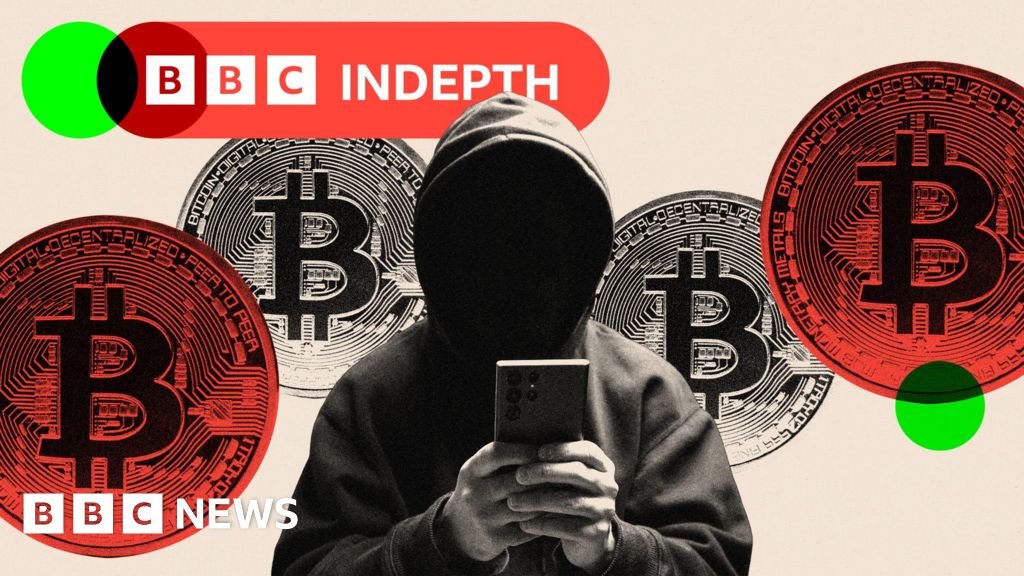
The Alarming Rise of Cryptocurrency Theft
There’s a unique pain associated with having your cryptocurrency stolen. Each transaction is logged on a digital ledger called a blockchain. This means that while thieves can transfer your cryptocurrency into their wallets, your funds remain visible online. Helen, an individual who lost approximately $315,000 to hackers, explains, “You can see your money there on the public blockchain, but there’s nothing you can do to get it back.” This feeling of helplessness is akin to watching a burglar take your cherished belongings across an insurmountable divide.
Helen and Richard’s Story
For seven years, Helen and her husband Richard (names changed for privacy), were diligent investors in a cryptocurrency called Cardano. Living in the UK, they were drawn to the idea of investing in a digital asset with significant growth potential, unlike conventional savings. They understood the risks but were careful about safeguarding their digital keys.
Unfortunately, hackers breached their cloud storage, gaining access to their wallet information. Both Helen and Richard are not affluent; she works as a personal assistant, and he is a composer. Their hopes for Cardano investments dimmed dramatically after the theft in February 2024, as the criminals stealthily transferred all their coins in a matter of moments.
For months, they watched their stolen funds move from one wallet to another. The irony of cryptocurrency is that while all transactions are traceable, the identity behind them remains elusive. “We had invested every bit of money we could muster into buying these coins… this is the worst thing that has happened to me aside from my parents’ deaths,” Richard told reporters.
The Growing Threat of Crypto Crime
A survey conducted by the Financial Conduct Authority in August 2024 revealed that approximately 12% of UK adults, equating to about seven million individuals, owned cryptocurrency. This skyrocketing interest in digital assets has paralleled a notable increase in theft and crime. The global cryptocurrency community has grown to around 560 million, and with this growth came a surge in cyberattacks.
By 2025, criminals had stolen more than $3.4 billion (£2.5 billion) worth of cryptocurrency, a figure that has remained consistent since 2020. Most of these thefts stem from large-scale hacks targeting crypto companies. For instance, North Korean hackers reportedly seized $1.5 billion from the crypto exchange Bybit in February 2025.
While many companies can absorb these colossal losses, individual investors are often left powerless. Chainalysis has reported that the number of attacks targeting individuals doubled from 40,000 in 2022 to 80,000 in 2023, accounting for about 20% of all stolen cryptocurrency value, which totaled around $713 million (£532 million).
The Lack of Regulation in Cryptocurrency
Unlike traditional financial crimes, which often have protections for the victim—such as compensation from banks—crypto thefts fall into a regulatory gray area. The FCA warns that cryptocurrency investments can be highly risky, and if things go awry, the likelihood of recovering lost funds is slim.
A search for terms like “Binance account hacked” highlights that even Binance, the world’s leading cryptocurrency exchange, has disabled its advice pages for UK users due to regulatory issues with the FCA. Since 2023, Binance has stopped accepting new clients in the UK, leaving many vulnerable to thieves operating indiscriminately across the globe.
The Evolution of Cyber Crime
As cybercrime evolves, organized groups like the “Social Engineering Enterprise,” which comprised young individuals engaging in scams, have surfaced. They allegedly scammed more than $260 million between October 2023 and May 2025 by hacking databases and posing as cryptocurrency exchanges.
Emerging Forms of Theft
As cryptocurrency gains mainstream appeal, terms like “wrench attacks” have surfaced in the crypto community. These attacks typically involve robbers threatening victims to force them to relinquish their digital currencies. Instances of home invasions, like the tragic case involving a couple in Spain, underline the violence associated with this crime.
Authorities are working to combat these issues, but it is evident that crypto theft is becoming increasingly violent and organized. Phil Ariss, from a blockchain intelligence firm, explains that criminal groups are drawn to cryptocurrency because of its potential for laundering and liquidation.
Protecting Your Crypto Assets
Tools designed to enhance security, such as multi-factor authentication and biometric features, are now available in wallets. Matthew Jones, the founder of a security firm, emphasizes the need for these extra security measures, given the lack of ceiling on the storage capacity of crypto wallets.
The Choice of Self-Custody
With the rise of the “self-custody” model, individuals who wish to manage their assets independently often face significant risks. When funds are lost from a self-custodied wallet, there are typically no recovery options available, unlike traditional accounts. Nevertheless, many, including Helen and Richard, remain hopeful about their chances of reclaiming their lost assets.
Conclusion
The world of cryptocurrency holds immense potential, but it also carries substantial risks, especially concerning theft. As more individuals step into this digital frontier, it’s crucial to stay vigilant and adopt measures to protect assets effectively. The stories of those affected serve as cautions for current and future investors.
Key Takeaways
- The risk of cryptocurrency theft is on the rise, with a notable increase in individual attacks.
- Investing in cryptocurrency offers potential rewards but lacks regulatory protections common in traditional financial systems.
- Awareness and enhanced security measures are essential for safeguarding digital assets.
- The situation continues to evolve, making it crucial for investors to stay informed and proactive.