

Addressing Hong Kong’s Aging Buildings: A Call for Systemic Change
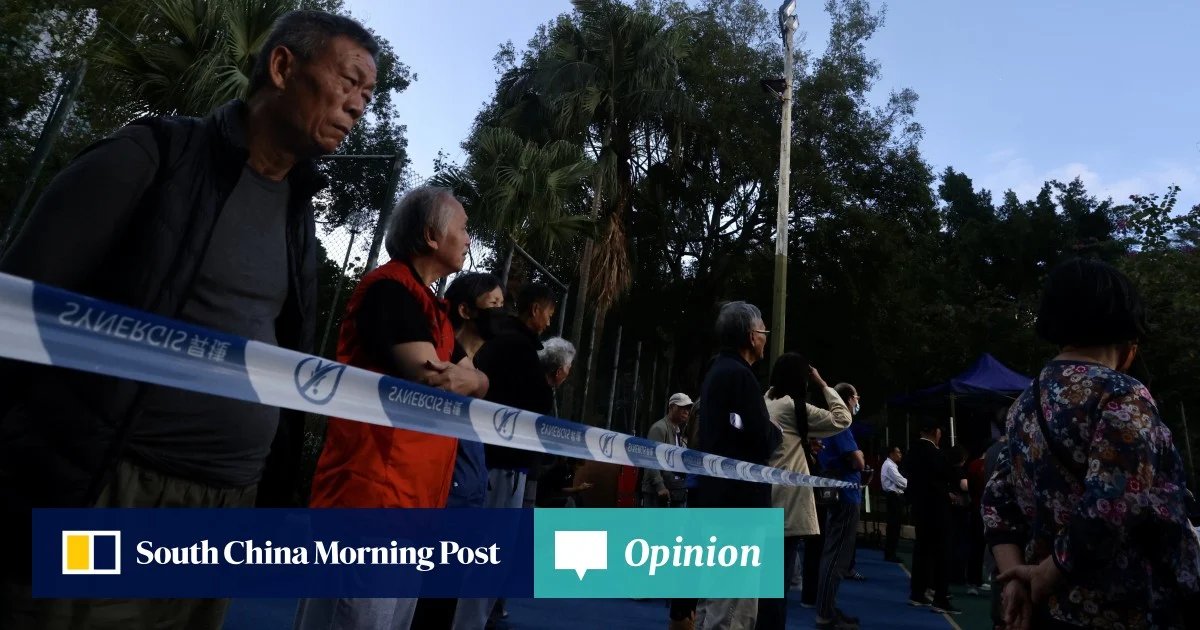
The recent fire tragedy in Tai Po has brought urgent attention to Hong Kong’s aging infrastructure and the pressing need for systemic changes. This situation highlights not just the immediate challenges in dealing with old buildings but also the broader issues connected to the elderly residents living in these structures. It’s crucial that we address both of these dimensions to prevent future disasters.
The Aging Landscape of Hong Kong
As a densely populated high-rise city, Hong Kong faces unique challenges when it comes to housing and infrastructure. Since urban development began in the 1950s, the exponential growth has led to many buildings aging significantly. In fact, a recent study from the Hong Kong University of Science and Technology reveals that of the roughly 50,000 buildings in the city, over 9,100 have surpassed 50 years of age. By 2030, that number is projected to skyrocket to nearly 14,000.
A majority of these are privately owned residences—approximately 44,250 in total, with around 81 percent being residential properties, which translates to about 36,000 buildings. This aging infrastructure presents not only an aesthetic concern but also significant safety issues that need to be addressed immediately.
The Need for Regular Maintenance and Safety Inspections
Like any structure, buildings require routine maintenance to ensure they remain safe and functional. In Hong Kong, two essential factors continuously drive the need for repairs and renovations: legal safety checks mandated by the government and the desire of property owners to maintain appearances.
The Mandatory Building Inspection Scheme requires owners of high-rise buildings that are 30 years old or more to hire a registered inspector. This inspector is responsible for conducting necessary inspections and supervising repairs in shared areas, external walls, and projections. A similar requirement is enforced through the Mandatory Windows Inspection Scheme, targeting buildings that are at least 10 years old.
As of late 2023, approximately 64 percent of all private buildings in Hong Kong have reached the 30-year mark, with another 17 percent set to follow suit within the next decade. This reality emphasizes the urgency to implement effective maintenance and inspection systems.
Moving Forward: What Needs to Change
To improve the safety and livability of Hong Kong’s aging buildings and ensure the well-being of its elderly residents, a multi-faceted approach is required. It is essential to streamline the inspection processes and possibly increase government support to assist owners with the financial burden of required repairs. Developers and city planners must also consider the broader implications of urban aging and prioritize sustainability in future construction projects.
Addressing these issues requires collaboration among government bodies, property owners, and the community as a whole. Only through joint effort can we hope to prevent tragedies similar to the one in Tai Po and create a safer environment for all residents of Hong Kong.
- Urgent action is needed to address aging buildings in Hong Kong.
- The city must tackle both infrastructure and the needs of elderly residents.
- Mandatory inspections and maintenance are essential for safety.
- Collaboration among government, property owners, and the community is crucial for lasting solutions.