

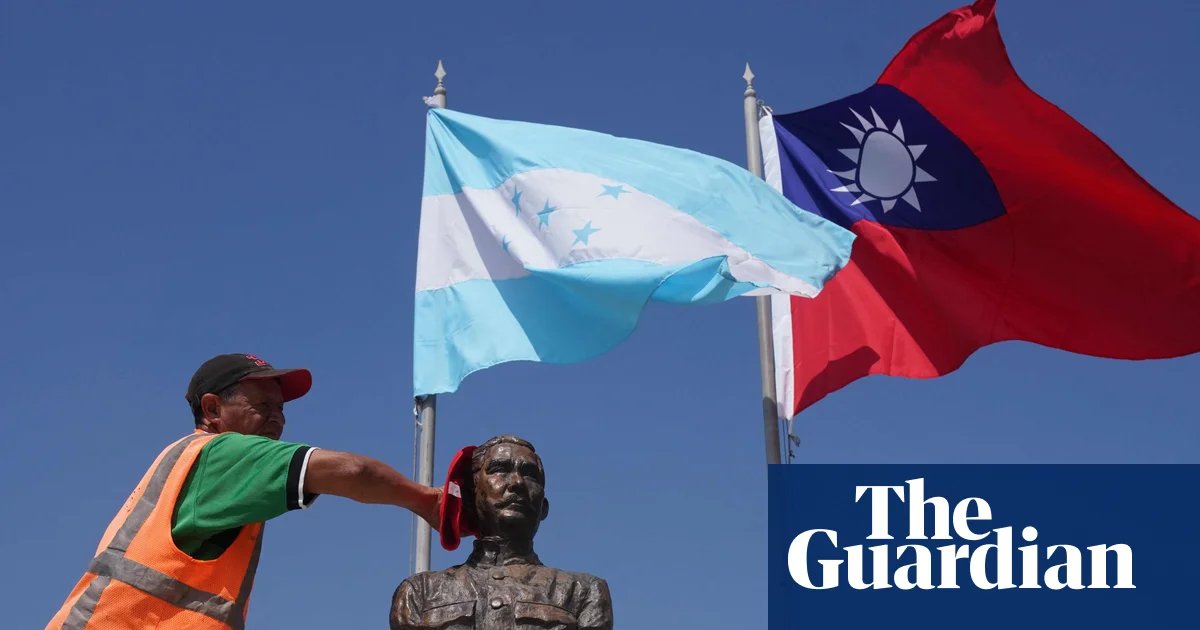
Honduras’ Changing Diplomatic Ties: A Win for Taiwan
In the wake of technological disruptions and claims of interference, the fate of Honduras’ election on November 30 remains undecided. However, one significant impact has already emerged, resonating beyond its borders: a reaffirmation of diplomatic ties with Taiwan. Both leading candidates in the election have vowed to restore relations with Taipei, effectively reversing the controversial decision made in March 2023 by former President Xiomara Castro to sever an 82-year relationship with Taiwan.
This shift marks a pivotal moment for Central America, where in the last decade, Honduras became the ninth of ten countries to break ties with Taipei in favor of Beijing. This change was part of a broader effort by China to isolate Taiwan and undermine its sovereignty, presenting its claim as an integral part of China.
Now, Honduran politicians seem to be reconsidering their decision. “Honduras has gained nothing from our relationship with China,” commented Salvador Nasralla, the Liberal party candidate. His opponent, Nasry Asfura, the former mayor of Tegucigalpa and backed by Donald Trump, echoed this sentiment, stating, “We were far better off with Taiwan.”
Currently, Taiwan is left with only 12 diplomatic allies globally due to China’s relentless efforts to influence nations to choose between the two. This often results in troubling bidding wars where financial incentives, sometimes linked to corruption, come into play. In most instances, countries favor the world’s second-largest economy, China.
In recent years, Honduras became the fifth nation in Central America and the Caribbean to sever ties with Taiwan, following the Dominican Republic, Panama, El Salvador, and Nicaragua. Since the early 2000s, 21 nations have turned their backs on Taipei, with Nauru switching allegiances twice.
Those remaining loyal to Taiwan face significant pressure. During the pandemic, Guatemala—Taiwan’s most populous ally—was pressured to recognize China in exchange for vaccine support. Diplomats from Taiwan’s remaining allies report facing various intimidation tactics, including promises of infrastructure investment, coercive visits from Chinese officials, and sudden bans on Chinese tourism.
Recently, however, the tide may be turning. Increased US influence, alongside China’s unfulfilled promises and corruption allegations, has contributed to Taiwan regaining a foothold in the region. In November, a delegation of 10 Panamanian lawmakers visited Taipei, seeking business ties and cooperation. Additionally, the newly-elected president of St. Vincent and the Grenadines, Godwin Friday, removed the party’s longstanding pledge to recognize China from their platform.
The Taiwanese government may find solace in these developments. Just before Honduras cut ties, its foreign minister cited financial struggles and Taiwan’s reluctance to renegotiate $600 million in debt or increase aid as reasons. Taiwan, in return, warned Honduras against “quenching thirst with poison” by aligning with China.
The Impact of US Influence and China’s Broken Promises
The assessment of relationships with China has notably shifted, especially post-Trump’s re-election, as noted by Evan Ellis from the US Army War College. In Honduras, shrimp exports plummeted when promised Chinese buyers failed to replace the 40% of exports that Taiwan had absorbed. Similarly, in Panama, major Chinese infrastructure projects hit delays or were canceled. Panama has expressed a need to be part of bolstering the microchip industry in the Western Hemisphere, reinforcing the importance of ties with Taiwan.
Public sentiment towards China has also deteriorated due to allegations of corruption associated with these diplomatic shifts. Revelations about former Panamanian president Juan Carlos Varela and potential multimillion-dollar profits from Chinese contracts after recognition have raised eyebrows, although Varela denies these allegations. In Paraguay, the head of a Chinese business association even indicated a willingness to use bribes to facilitate political changes.
Yet, average Central Americans are often less concerned about the geopolitical landscape than they are about aligning with US influences. Ellis suggests that the US is actively pushing back against China in the region, expecting that nations siding with Taiwan will be rewarded.
Honduras, where Trump recently endorsed one candidate and pardoned a former president for drug trafficking, amplifies the often transactional nature of US foreign policy in Central America. Following Trump’s threats regarding the Panama Canal and alleged Chinese control, Panama decided against renewing its participation in China’s Belt and Road Initiative while pursuing legal action against two Chinese-run ports.
As US interests in the Caribbean intensify, nations like St. Vincent are unlikely to take diplomatic steps that might provoke US ire. “It’s not the right moment for a small Caribbean island near US military operations to shift allegiance to the PRC [People’s Republic of China],” Ellis adds.
- Both leading candidates in Honduras vow to restore ties with Taiwan, reversing a previous decision.
- Honduras’ shift reflects a growing disillusionment with China’s diplomatic promises and increasing US influence.
- Public concern in Central America leans towards maintaining ties that align with US interests rather than economic advantages of associating with China.
- The electoral changes in Honduras signify a potential turning point for diplomatic allegiances in Central America.