

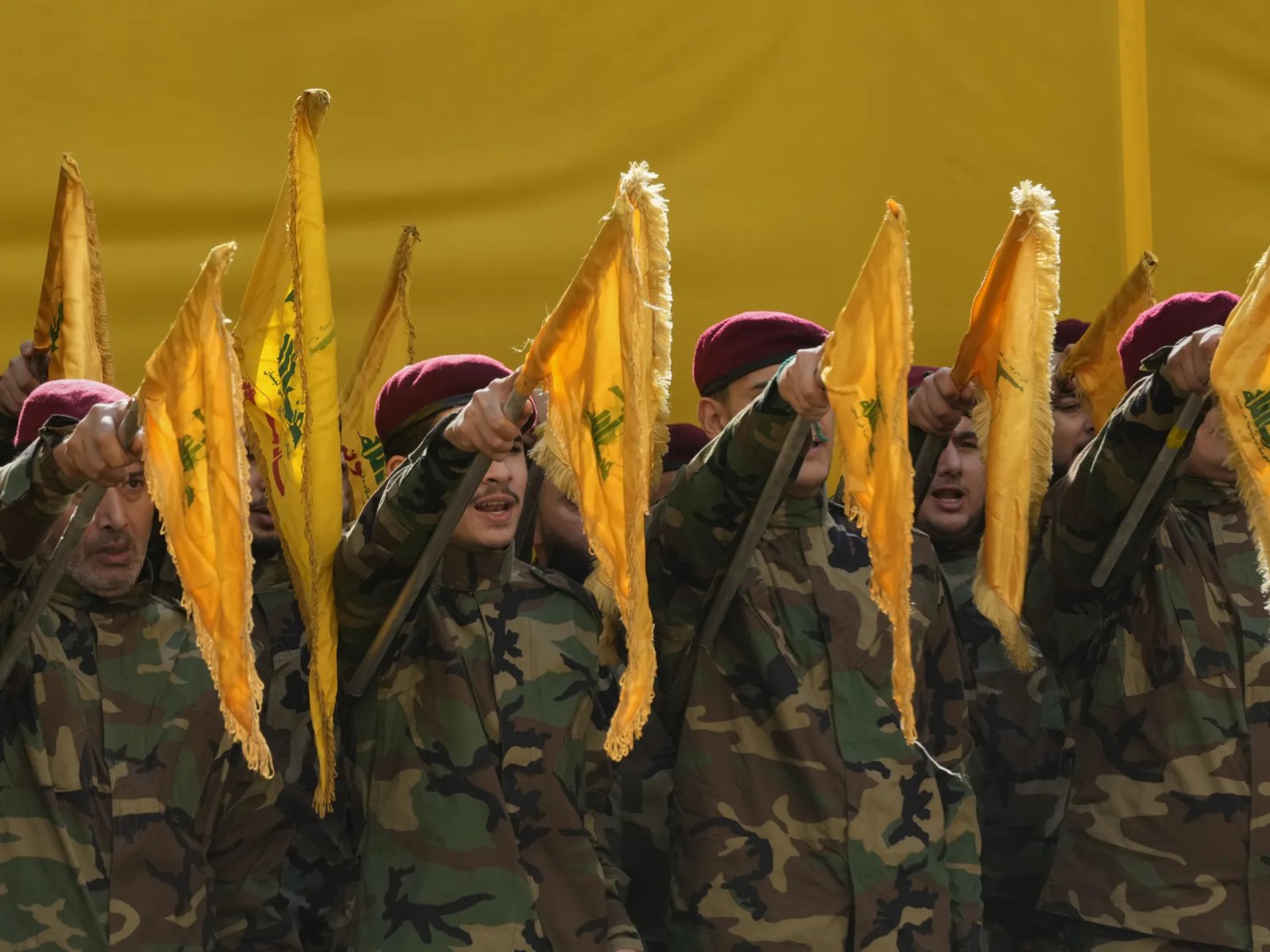
The Standoff Over Hezbollah’s Disarmament in Lebanon
As the timeline for Lebanon’s government to disarm Hezbollah approaches, the militant group remains resolute in its refusal to abandon its weapons. This article dives into the complexities surrounding disarmament, the ongoing Israeli strikes, and the implications for Lebanon’s political landscape.
The Government’s Stance
In August, Lebanon’s cabinet directed the military to devise a plan for removing Hezbollah’s arms by the end of 2025, following a proposal from the United States. However, Hezbollah swiftly rejected this decree, labeling it a “grave sin” and vowing to dismiss it entirely.
The Disarmament Plan
In September, the Lebanese military introduced a phased method for disarming Hezbollah, beginning in the southern region, moving toward the Litani River, which is approximately 28 kilometers from the Israeli border, and eventually extending to Beirut and other parts of the country. The deadline for completing the first phase is today, yet Hezbollah has continued to defy these efforts.
Hezbollah’s Response
Hezbollah has characterized the disarmament initiative as a scheme orchestrated by the US and Israel, especially during a period when Israel is executing daily airstrikes on Lebanon. “To demand exclusive arms control while Israel is committing aggression means you are not working in Lebanon’s interest,” stated Hezbollah’s leader, Naim Qassem.
Ongoing Israeli Attacks
While the debate regarding weapons control intensifies within Lebanon, Israeli airstrikes have continued unabated. Recently, Israeli forces bombed various villages in southern Lebanon, damaging critical infrastructure. Notably, they destroyed the last undamaged home in the town of Marwahin and struck neighborhoods in Beirut, as well as conducted operations in Sidon that resulted in civilian casualties.
Hezbollah’s Position
Hezbollah argues that any efforts for disarmament should wait until Israeli aggression ceases. They assert that, without their military presence, Israel could easily occupy southern Lebanon, exploiting the vulnerabilities of the Lebanese military.
The Arguments
Critics of Hezbollah claim that the group has failed to deter Israeli attacks, suggesting that its arsenal only invites more strikes and undermines national unity. Detractors argue that allowing Hezbollah to make decisions regarding war and peace jeopardizes Lebanon’s stability and state-building efforts.
International Dynamics
The United States plays a significant role as the primary arms supplier to the Lebanese military but has stated its reluctance to arm the forces against Israel. US special envoy Tom Barrack emphasized that support is aimed at curbing Hezbollah’s influence rather than confronting Israel.
The Historical Context
Hezbollah has its roots in the Lebanese Civil War and emerged significantly during Israel’s invasion. Over time, it evolved from a local militia to a regional power, leveraging guerrilla tactics to force Israel’s withdrawal from southern Lebanon in 2000. In the following years, Hezbollah engaged in further conflicts with Israel, including the 2006 war.
Recent Developments
Last year, Hezbollah supported Hamas amid escalating violence in Gaza, prompting further tensions. Critics point to this involvement as a catalyst for renewed Israeli offensive actions, which led to significant destruction and loss of life in Lebanon.
The Current Landscape
Today, Hezbollah finds itself at a pivotal crossroads, balancing internal dissent and external threats. Lebanese officials indicate that progress is being made in the disarmament plan’s first phase, yet Hezbollah remains steadfast in refusing to relinquish its arms amidst ongoing Israeli strikes.
Future Implications
Potential military clashes between Lebanon’s state forces and Hezbollah could trigger devastating consequences for the nation. The internal strife may even see military sympathizers unwilling to engage against Hezbollah fighters, posing a significant risk for civil unrest.
Conclusion
Lebanon’s future hangs in the balance as the clash between Hezbollah and Israeli forces continues. The disarmament deadline amplifies the urgency of a resolution, yet finding a path forward amid rising tensions presents a challenging endeavor for the Lebanese government.
- Lebanon is approaching a deadline for disarming Hezbollah, but the group refuses to comply.
- Ongoing Israeli airstrikes complicate the situation further, prompting Hezbollah’s resistance.
- Critics argue that Hezbollah’s military presence exacerbates tensions and undermines national interests.
- The outcome hinges on balancing regional dynamics and internal stability as Lebanon faces growing challenges.