

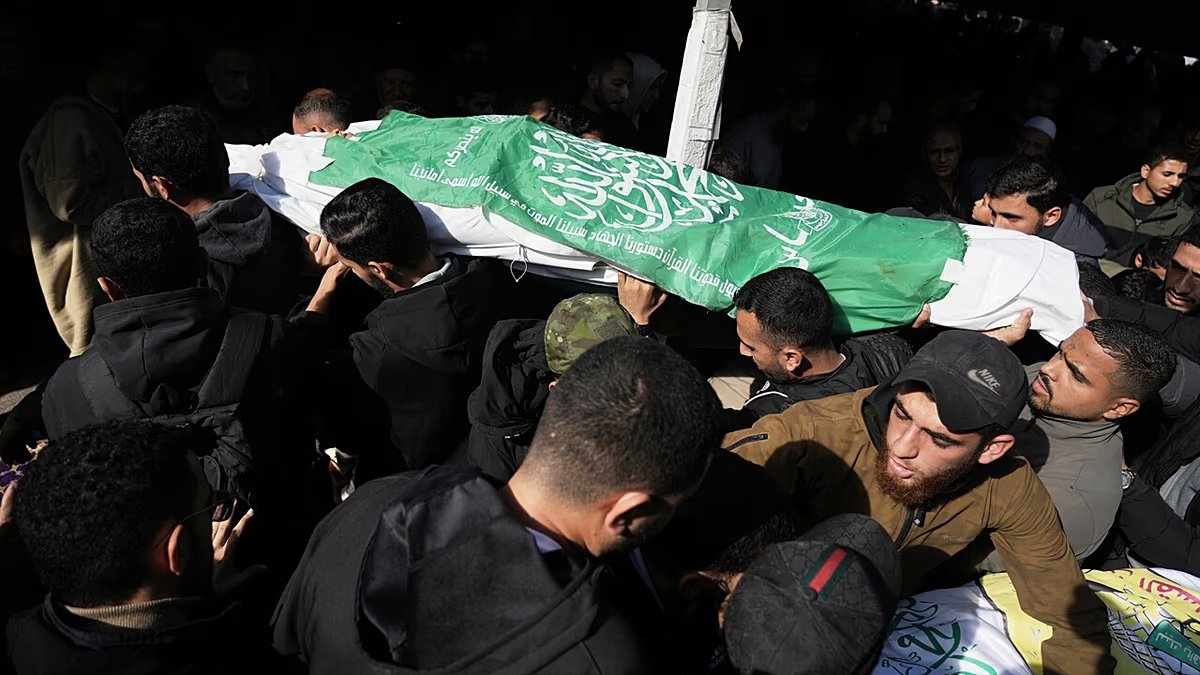
Rising Tensions in Gaza: A Commander’s Death and Humanitarian Struggles
A significant escalation in hostilities has occurred in Gaza with the confirmation of the death of a senior Hamas commander, Raed Saad, following an Israeli airstrike. This event highlights ongoing tensions surrounding the ceasefire agreement and sheds light on the dire humanitarian situation in the region.
Assassination of a Key Hamas Figure
Hamas has announced that Raed Saad, described in their statement as the head of its military manufacturing unit, was killed in an Israeli airstrike targeting a vehicle near Gaza City. This marks the most notable assassination of a senior Hamas official since the ceasefire came into effect in October.
The attack resulted in the deaths of four individuals and injured 25 others, according to hospital sources. Khalil al-Hayya, a prominent Hamas negotiator currently in exile, condemned the strike, characterizing it as yet another breach of the ceasefire by Israel. He warned that these actions jeopardize the integrity of the agreement, urging the U.S. administration to ensure Israel adheres to the terms of the ceasefire.
Israel’s Justification and Ongoing Accusations
Following the airstrike, Israel labeled Saad as a pivotal figure behind the violent outbreak that occurred on October 7, 2023, which ignited the ongoing conflict in Gaza. The Israeli military maintains that his activities included rebuilding militant capabilities in defiance of the ceasefire.
Since the ceasefire was established, Israeli airstrikes and confrontations have resulted in the deaths of at least 391 Palestinians, according to reports from Palestinian health officials. Israel insists that its military actions are in response to attacks from militants and has reported the loss of three soldiers in the same time frame.
On Sunday, Israel announced the elimination of another “terrorist” who had crossed into a restricted area near its troops in northern Gaza. Furthermore, Israel has emphasized the necessity for the return of Ran Gvili, the last remaining hostage, as a prerequisite for progressing to more complex phases of the ceasefire plan.
Escalating Humanitarian Crisis
The ceasefire allowed for a significant influx of humanitarian aid into Gaza after months of restrictions, yet agencies report that the scale of relief efforts remains inadequate. Although there are stipulations for 600 trucks daily, recent military data suggests that this target has not been reached, a claim contested by Israeli authorities.
With the onset of winter weather, the plight of displaced individuals in Gaza has intensified. The UN agency for Palestinian refugees, UNRWA, has highlighted that the harsh conditions—marked by cold, overcrowding, and unsanitary living situations—expose people to health risks that could be mitigated through adequate humanitarian support.
Challenges in Delivering Aid
The ceasefire agreement specified the entry of essential supplies, including caravans and tents, but reports indicate none have yet arrived in Gaza. Tania Hary, the executive director of Gisha, a rights advocacy group, stated that despite claims from the Israeli military about the delivery of thousands of tents and blankets, international experts argue that the conditions remain dire for many.
Flooding scenes across Gaza starkly illustrate the extensive devastation caused by the conflict, with many homes destroyed and a population of nearly 2 million living in makeshift shelters. Some individuals have built homes amidst the remnants of damaged buildings, lacking proper sanitation and infrastructure.
Amid the worsening weather, Palestinian Civil Defense reported that some previously damaged structures have partially collapsed. They have received a surge of distress calls from residents seeking assistance as their shelters have suffered further damage from the storm.
Conclusion
The ongoing conflict in Gaza has reached a critical juncture following the assassination of a key Hamas commander, exacerbating both the security situation and the humanitarian crisis. As calls for peace and aid continue, the urgent needs of displaced individuals must not be overlooked in the pursuit of stability and recovery.
Key Takeaways
- Raed Saad, a senior Hamas commander, was killed in an Israeli airstrike, escalating tensions in the region.
- The humanitarian situation in Gaza remains grave, with insufficient aid reaching those in need.
- Both Israel and Hamas accuse each other of violating the ceasefire terms, complicating matters further.
- Winter weather compounds the suffering of displaced Palestinians, highlighting urgent needs for shelter and medical care.