

Understanding Greenland’s Concerns Amidst Geopolitical Tensions
As Greenland finds itself at the center of international geopolitical discussions, residents are expressing a deep desire for autonomy and independence. With U.S. Secretary of State Marco Rubio set to meet Danish and Greenlandic officials, the island’s future is a topic of significant concern. This article delves into the sentiments of the Greenlanders, their historical context, and their aspirations for the future amidst external pressures.
Geopolitical Storm Over Greenland
Greenland, a semi-autonomous territory of Denmark, has recently gained attention due to statements from former President Donald Trump regarding its strategic importance for U.S. national security. This vast island, nine times the size of the UK but with a population of just 57,000—mostly indigenous Inuit—finds itself under scrutiny in a complex geopolitical landscape.
A Glimpse of Nuuk
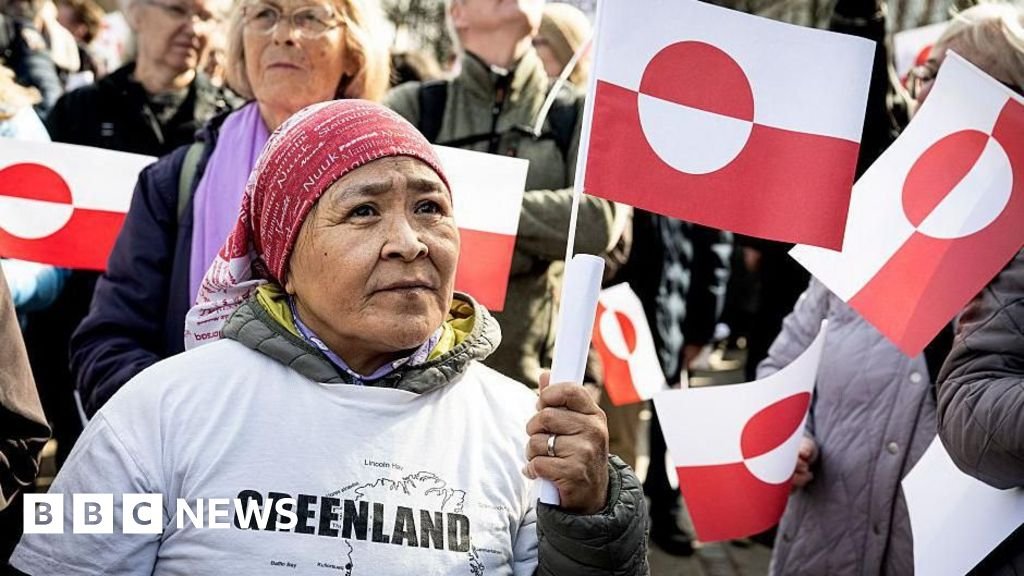
Upon arriving in Nuuk, the capital of Greenland, one is greeted by a serene winter scene: snow-covered streets, families navigating pathways with sleds, and students engaging with brightly lit shops. However, despite the picturesque surroundings, many locals exhibit a palpable sense of anxiety regarding the potential U.S. takeover.
- One senior citizen expressed deep concern, stating, “The U.S. must never plant its flag here.”
- A young pottery artist shared her weariness, saying, “We just want to be left alone and continue our peaceful lives.”
Desire for Independence
While the colonial past of Denmark hangs heavily on the minds of many, the longing for independence from foreign influence is significant. Polls indicate that a large majority of Greenlanders oppose a U.S. acquisition, with many also advocating for self-governance from Denmark, despite acknowledging the essential support provided by Danish subsidies for their welfare state.
Voices from the Political Sphere
At the heart of Greenland’s political discourse is Pipaluk Lynge-Rasmussen, co-chair of the foreign affairs committee in parliament, representing the pro-independence Inuit Ataqatigiit party. In our conversation, she emphasized the importance of Greenlanders voicing their needs and aspirations, citing a growth in the push for independence since home rule was granted in 1979.
“We want to make sure our voices are heard,” she noted. Lynge-Rasmussen believes that global powers often overlook the perspectives of the islanders, emphasizing the need for dialogue and understanding in upcoming discussions with U.S. officials.
The U.S. and Greenland: A Complicated Relationship
During negotiations, there are concerns over how the U.S. perceives its military strategy concerning Greenland. The island has a strategic location — serving as a potential route for ballistic missiles from Russia to the U.S., leading to fears of its militarization under U.S. oversight.
Historical Perspective on U.S. Military Presence
The U.S. operates a military base in Greenland, yet the presence has dwindled from around 10,000 personnel during the Cold War to roughly 200 today. As Washington renews its focus on Arctic security, Greenlanders face questions about their land’s future amidst these military considerations.
The Quest for Resources and Influence
Beyond security concerns, Trump’s interest in Greenland stems from its untapped natural resources, including essential minerals. Greenland sits nearer to major U.S. cities than to Copenhagen, complicating its geopolitical context and raising concerns among locals about their community’s future.
- Opposition MP Pele Broberg has articulated concerns that the island should not be viewed as a commodity.
- Broberg calls for fair trade relationships rather than exploitative demands from the U.S.
Moving Forward: A Call for Cooperation
In light of the impending discussions with U.S. Secretary of State Rubio, Greenlanders hope for an outcome that respects their sovereignty and fosters cooperation. Independently navigating foreign relations while asserting their rights is crucial for the Inuit communities as they strive for autonomy.
Conclusion
Greenland, with its rich culture and complex history, stands at a crossroads, navigating the tricky waters of international interests and local desires for independence. The voices of its people are clear: they seek to be heard and to pursue their ambitions on their own terms, not merely as a pawn in global strategies.
Key Takeaways
- Greenlanders express a strong desire for autonomy from both the U.S. and Denmark.
- Concerns about potential U.S. military takeover highlight fears of sovereignty infringement.
- The future of Greenland rests on its ability to engage in meaningful dialogue about its place in global geopolitics.
- Greenland seeks to define its own future amidst external pressures, favoring cooperation over cultural hegemony.