

Greenland’s Stance on U.S. Acquisition Rumors
Amidst recent discussions regarding the potential acquisition of Greenland by the United States, many Greenlanders are voicing their firm stance against such notions. The rhetoric surrounding the Trump administration’s interest in the territory has sparked concern and resistance among its citizens. In this article, we explore the views of Greenlanders, their historical ties, and the geopolitical implications of these remarks.
Concerns Over Acquisition Rumors
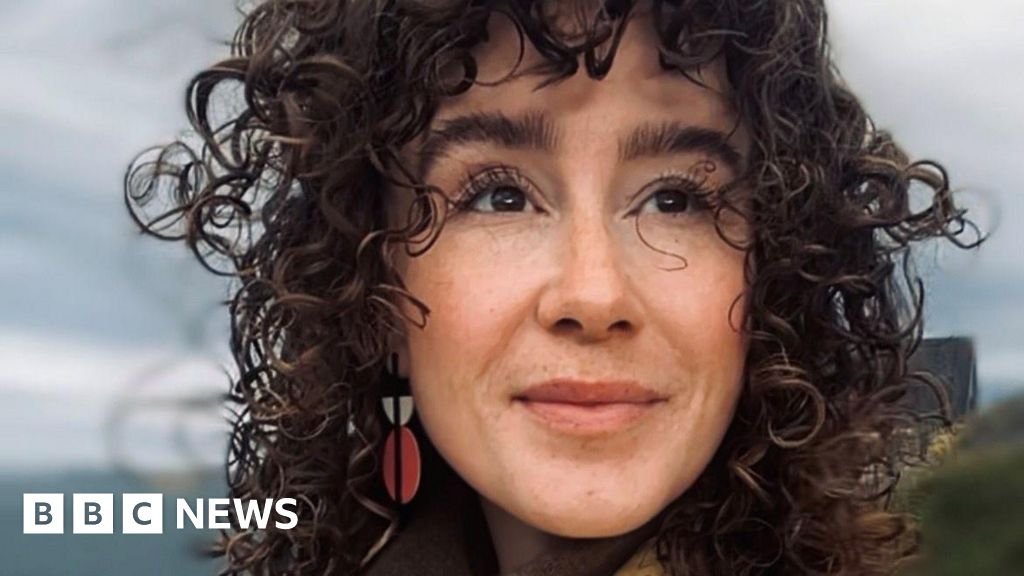
Mia Chemnitz, a business owner from Nuuk, reflects the prevailing sentiment when she states, “The people of Greenland do not want to become American. We are not for sale.” Her words resonate throughout the island, particularly in light of comments from the White House suggesting a willingness to buy the territory, which has long been part of Denmark. This has raised alarms among Greenlanders, particularly given the U.S. military actions elsewhere, like the unprecedented removal of Venezuela’s President Nicolás Maduro.
A Shift from Abstract to Reality
This situation has made many feel that the threat is no longer hypothetical. Tupaarnaq Kopeck, a Greenlander living in Canada, mentioned reaching out to family in Greenland, offering them refuge should the situation worsen. “That’s when it stopped feeling abstract,” she explained, highlighting the personal impact of such political discussions.
Political Reactions
Aaja Chemnitz, one of Greenland’s representatives in the Danish parliament, condemned the U.S. rhetoric as “a clear threat.” She expressed her dismay at the lack of respect demonstrated by U.S. officials towards a NATO ally. Such comments echo through the small population of 56,000, many of whom feel vulnerable given their geographic and political positioning.
Strategic Importance and Local Sentiment
Greenland’s vast icy landscape is home to a sparse population that primarily lives along the southwestern coastline. Its strategic location between North America and the Arctic has attracted U.S. military interest since World War II. As climate change melts the ice, Greenland’s natural resources, especially rare earth minerals, are becoming accessible, adding to the stakes.
Masaana Egede, editor of the local newspaper Sermitsiaq, articulated the concerns of many, stating, “It’s not fun being 56,000 people and having these threats from a giant like the U.S.” The fear surrounding a potential U.S. takeover is compounded by the ongoing realities of their current colonial status under Denmark.
A Complex Future
With polls showing a general preference among Greenlanders for eventual independence from Denmark, views on American acquisition remain largely negative. Aleqatsiaq Peary, an Inuit hunter, remarked that a U.S. takeover would merely be “switching from one master to another.” He expressed concern that the pressing issues Greenlanders face, such as the impact of climate change on traditional hunting practices, could be overshadowed by political turmoil.
A Need for Clarity
Masaana emphasized the necessity of addressing the situation without framing it as a binary decision between alignment with the U.S. or Denmark. “We really have to try to avoid getting the story going to a place where it’s Greenland that has to decide between the U.S. and Denmark,” she stated, advocating for a focus on the local populace’s desires.
Community Resilience
Many in Greenland are feeling the strain of the current dialogue. Christian Keldsen from the Greenland Business Association noted a growing irritation among Greenlanders towards U.S. rhetoric. “People in Greenland are getting really irritated with this,” he said, while also stressing the country’s welcoming nature and openness to business opportunities.
Mia proudly stated that Greenland is a functioning democracy with established governance. “As it has been stated from Greenland before: we are not for sale, but we’re open for business.” This statement drives home the message that while Greenland values its economic partnerships, sovereignty is paramount.
Conclusion
The conversations surrounding Greenland and its potential acquisition by the U.S. have ignited significant discourse among its people. They remain resolute in their stance on sovereignty while hoping for collaborative relationships that respect their autonomy.
- Greenlanders firmly reject the idea of becoming American.
- The U.S. military presence has led to increased geopolitical tension.
- Citizens value independence and local governance over external control.
- Greenland’s strategic location makes it a point of interest amid climate changes.