

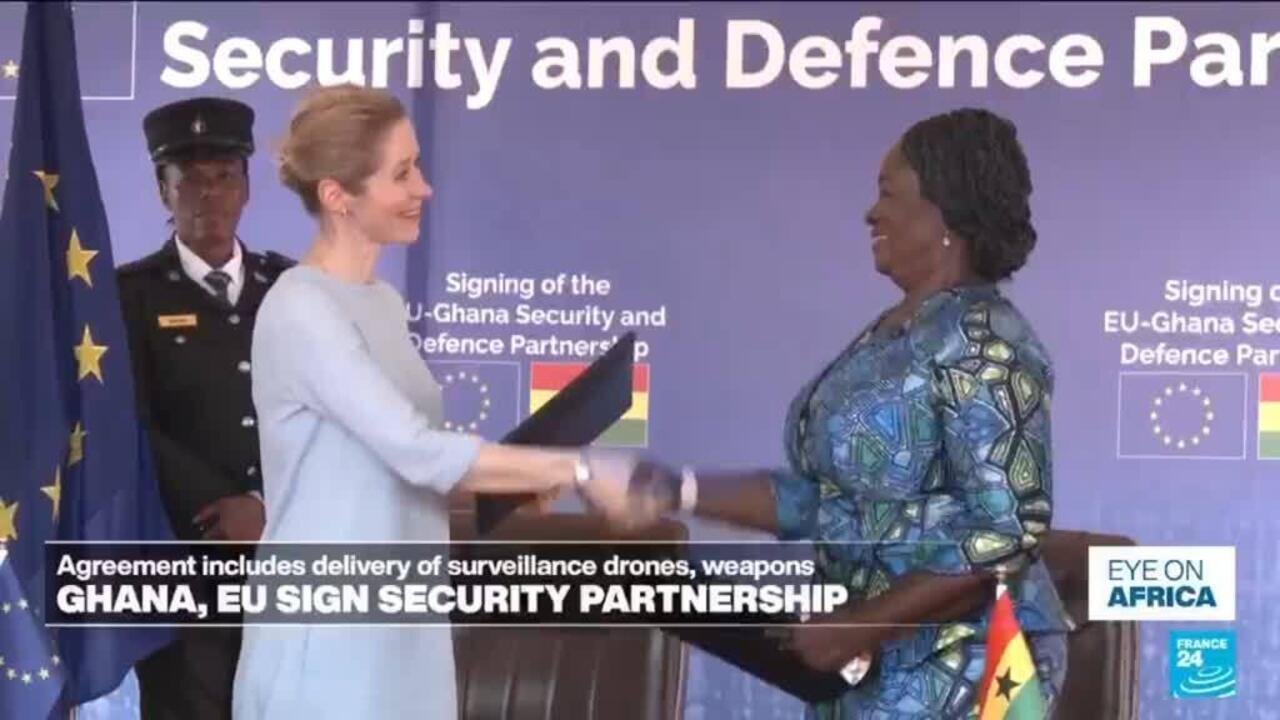
Ghana’s New Defence Partnership with the European Union
On March 25, Ghana formalized its inaugural defence partnership with the European Union, marking a significant step in enhancing its security framework. This agreement follows similar arrangements with both Iceland and Australia, as the country grapples with the escalating threat of attacks from groups influenced by Al-Qaeda and the Islamic State operating in the region. In this article, we delve into what this partnership comprises and its implications for Ghana’s security landscape.
Understanding the Defence Partnership
The defence partnership between Ghana and the European Union aims to bolster cooperation in addressing security challenges. Given the rising instances of militant activity, this collaboration is pivotal for Ghana as it strives to maintain stability and safeguard its citizens.
Key Components of the Agreement
The agreement outlines several key components intended to enhance Ghana’s military capacities and response strategies:
- Joint Training Exercises: The partnership includes provisions for joint military training, which will help enhance the skills and readiness of Ghanaian forces.
- Intelligence Sharing: Enhanced cooperation will facilitate the exchange of crucial intelligence information, allowing for better preparedness against potential threats.
- Resource Allocation: Ghana may receive resources and technology support from the EU to upgrade its military capabilities.
The Context of Security in the Region
As terror groups gain momentum in West Africa, the risk of violence and instability has grown. Ghana’s strategic decision to forge partnerships with international organisations reflects its proactive approach in countering these threats and ensuring national security.
International Collaboration Beyond the EU
Ghana’s recent defence agreements with Iceland and Australia signify a broader trend of international collaboration to tackle global security issues. Each partnership holds unique benefits tailored to address specific challenges faced by Ghana.
Implications for Ghana
This partnership with the EU is expected to have a positive impact on Ghana’s security framework, reinforcing its capability to respond effectively to emerging threats. Moreover, it conveys a strong message regarding Ghana’s commitment to peace and stability, not just within its borders but also throughout the West African region.
Conclusion
Ghana’s formal defence partnership with the European Union is a significant stride toward enhancing national security amidst growing threats. As the nation strengthens its ties with international allies, it positions itself more robustly against the challenges presented by extremist groups.
Key Takeaways:
- Ghana signed its first defence partnership with the European Union on March 25.
- This agreement aims to improve military readiness and counter terrorism effectively.
- Collaboration with other nations, including Iceland and Australia, underscores Ghana’s commitment to security.
- The partnership reflects a proactive approach to maintaining stability in West Africa.