

The Tension Between Georgia’s European Aspirations and Authoritarian Trends
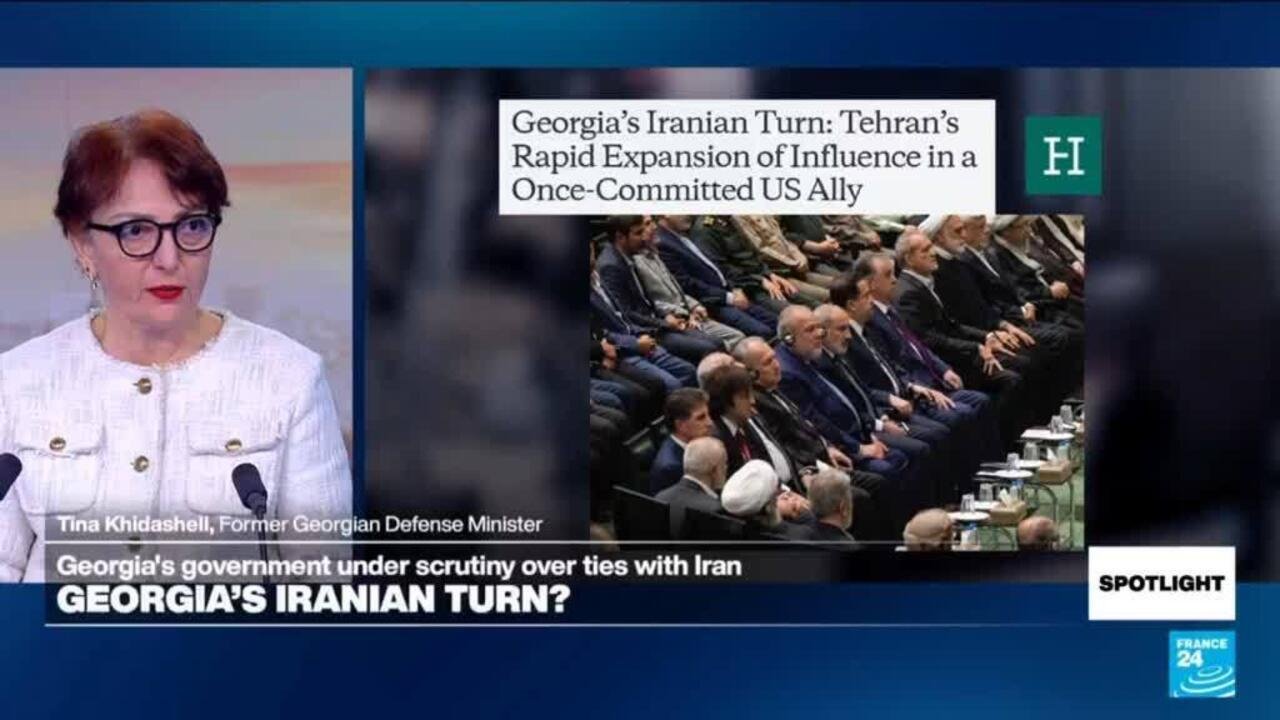
In this insightful discussion, François Picard introduces Tina Khidasheli, a jurist and former Minister of Defence of Georgia. Khidasheli shares a compelling analysis of Georgia’s current political landscape, highlighting the nation’s struggle between its expressed goal of European integration and the increasing authoritarianism shaping its present.
Georgia’s EU Membership Aspirations
Currently holding candidate status for European Union membership, Georgia finds itself in a precarious situation. The anticipated journey toward Europe is overshadowed by a political climate that has veered towards systemic control and legal uncertainties. Khidasheli emphasizes how recent legal measures, particularly the foreign agents law, go beyond mere regulation; they serve as deterrents that threaten to criminalize everyday professional and civic activities.
The Chilling Effect
This regulatory environment produces a chilling effect that permeates various facets of society, impacting civil society, media outlets, and even ordinary international interactions. As a result, the space for dissent is shrinking, injecting fear into those wishing to voice their opinions or engage in public life.
Shifts in Decision-Making
On a broader strategic level, Khidasheli notes that decision-making in Georgia has deviated from traditional national interests. Instead, it is increasingly influenced by the expectations of external powers, particularly Moscow. This shift is not driven by ideological beliefs, but rather a motivating factor of political survival. Governance has become more about retaining power and wealth than upholding democratic values.
Security Concerns and Social Fragmentation
While the visible signs of radicalization and foreign influence emerge, Khidasheli points out that institutional responses tend to misdirect focus. Rather than addressing these alarming trends, attention is disproportionately placed on those who raise concerns, further complicating the response landscape. This reversal of priorities highlights a troubling pattern: state mechanisms are increasingly utilized to suppress dissent rather than protect society.
Conclusion
In summary, Georgia’s journey toward European integration is fraught with challenges that reflect a growing authoritarian presence. The clash between the country’s ambitions and prevailing political realities paints a complex picture of governance motivated by self-preservation rather than democratic principles.
Key Takeaways:
- Georgia faces a dilemma between its European aspirations and authoritarian trends.
- Recent legal measures threaten civic and professional freedoms.
- Decision-making is increasingly driven by external influences rather than national interests.
- The state’s focus has shifted towards suppressing dissent rather than ensuring security.