

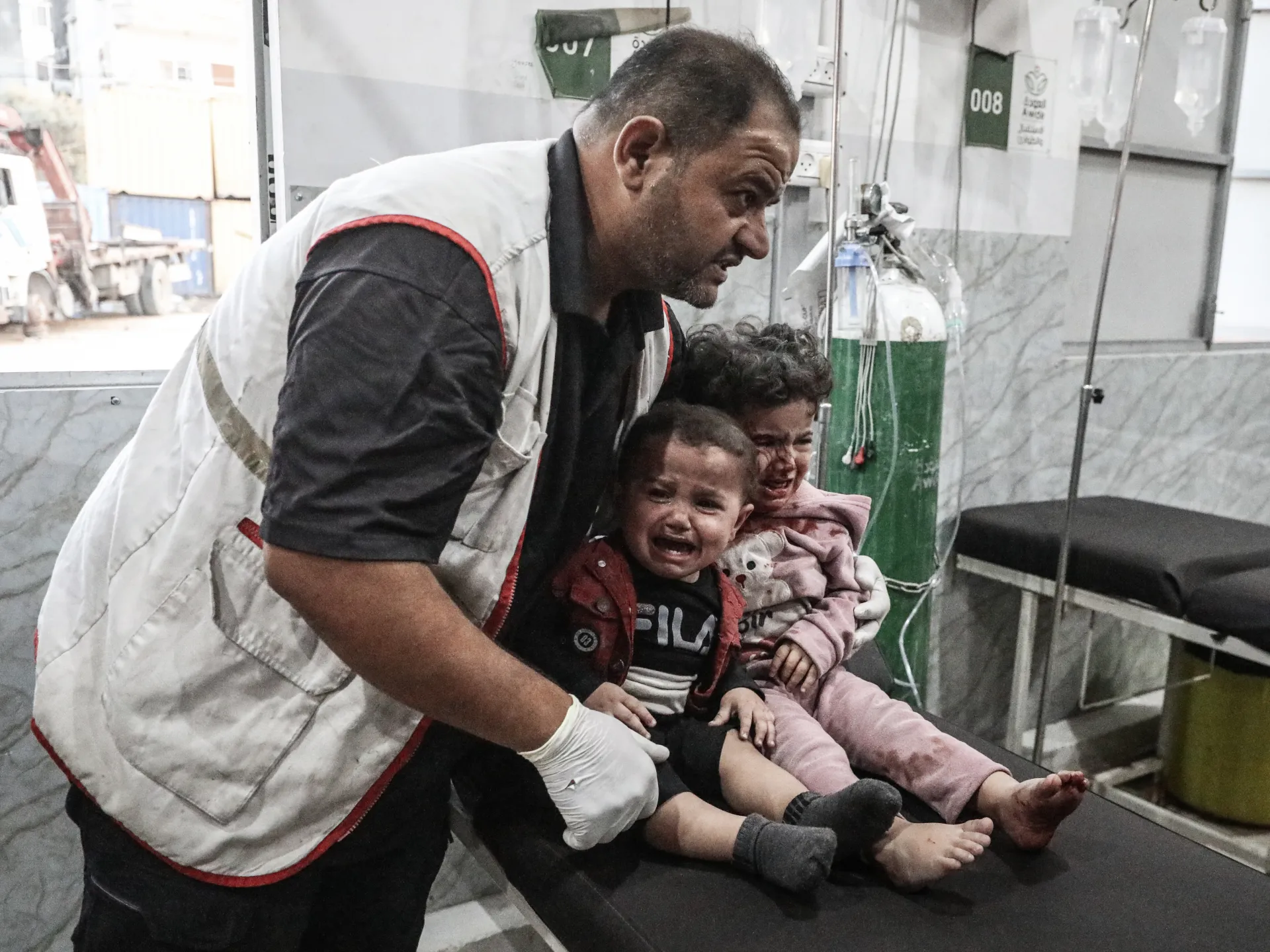
Gaza’s Health Crisis: Dire Conditions in Hospitals
The humanitarian situation in Gaza continues to worsen, particularly in its hospitals, where resources are dwindling due to an ongoing Israeli blockade. Munir al-Barsh, a leading official from Gaza’s Health Ministry, expresses grave concerns regarding the health system’s capacity to manage the influx of patients, many of whom are at severe risk of death or disability.
Hospitals Under Siege
Al-Barsh described the condition of hospitals in Gaza as “tragic and horrific” during an interview with Al Jazeera. The Israeli authorities have been obstructing the essential flow of medical supplies, thwarting healthcare professionals’ efforts to address critical medical cases effectively.
Impact of the Blockade
Despite a ceasefire backed by the United States that came into effect in October, violations persist as Israel fails to deliver the promised amounts of medical aid. This has intensified what the Health Ministry characterizes as an ongoing public health crisis.
Severe Shortages
The health sector in Gaza is experiencing acute shortages of medicines and critical surgical supplies. Al-Barsh noted that nearly 75% of necessary supplies are currently unavailable, including vital anesthetics, gauze, and dialysis materials. Furthermore, power outages and a lack of generators are complicating the situation further.
A Dire Humanitarian Situation
Al-Barsh pointed out that the current hazards are the most severe since the Palestinian Authority’s inception over three decades ago. The ongoing conflict has seen significant damage to healthcare facilities, with around 125 health institutions affected, including 34 hospitals. Tragically, over 1,700 healthcare workers have lost their lives in this conflict, and many Palestinian medical professionals remain detained.
Widespread Health Risks
The crisis extends beyond the immediate casualties of conflict. Approximately 4,000 glaucoma patients face the prospect of permanent blindness without treatment, while nearly 40,000 displaced pregnant women live in deplorable conditions, compromising their health and that of their unborn children.
Malnutrition Among Children
Al-Barsh further highlighted that around 320,000 children under five are at risk of malnutrition, aggravated by restrictions on vital aid. A system for transporting patients outside Gaza exists, yet long waiting lists mean that many are dying before they receive necessary medical attention. It’s alarming that at least 1,156 patients have succumbed while waiting for treatment authorization.
The Lengthy Approval Process
Currently, about 20,000 patients in Gaza await permit approval for travel, with nearly 18,500 endorsed by the World Health Organization (WHO). Unfortunately, about 3,700 among them are in critical condition, and around 4,300 children are also waiting for transfers out of the territory.
Call for Immediate Action
Al-Barsh has urged the Israeli authorities to open border crossings immediately to facilitate the flow of humanitarian supplies and to allow the transport of patients requiring urgent medical care, emphasizing that further delays could be catastrophic.
Conclusion
The health crisis in Gaza is undeniably critical, with countless lives on the line due to a lack of medical supplies and suitable conditions. Urgent action is necessary to alleviate the suffering and prevent the loss of more innocent lives amidst this ongoing conflict.
Key Takeaways
- Gaza’s hospitals face severe shortages of medical supplies due to an Israeli blockade.
- Approximately 75% of essential medical supplies are currently unavailable.
- Many patients, including children, are awaiting treatment amid bureaucratic delays.
- Immediate action is essential to prevent further loss of life and address the humanitarian crisis.