

Key Insights from the Upcoming Mayoral Elections in France
This Sunday, voters in several major French cities will head to the polls to cast their ballots for mayor. With leftist parties striving to maintain strongholds like Paris and Marseille, the far-right is also eyeing significant gains ahead of the presidential election next year. This article delves into the local elections that are being closely monitored for clues about public sentiment and potential political alliances.
Election Overview
Last weekend marked the first round of local elections across France’s 35,000 municipalities, towns, and boroughs, with many smaller communities already having elected their leaders. However, approximately 1,500 areas, particularly larger urban centers, are now facing run-offs. The outcomes from these elections are crucial as they offer insights into voters’ current attitudes and may set the stage for the upcoming presidential race, especially with the far-right gaining momentum.
Tight Race in Paris
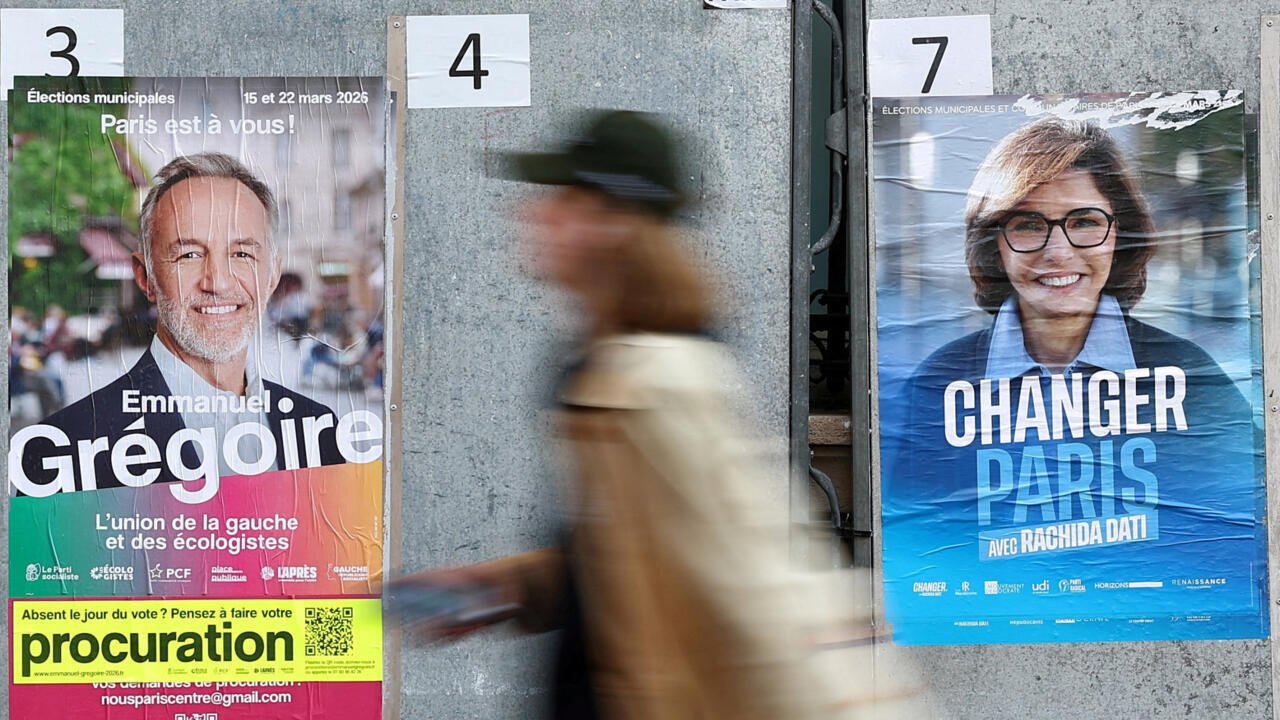
One of the most watched contests is taking place in Paris, where leftist candidate Emmanuel Gregoire is vying against right-wing ex-minister Rachida Dati. Gregoire, who previously served as a deputy under outgoing Socialist Mayor Anne Hidalgo, faces a formidable challenge from Dati, a former justice and culture minister. Dati, a protégé of the controversial ex-president Nicolas Sarkozy, is hoping to flip the mayoral seat for the right after 25 years of leftist leadership. She aims to become the second woman to oversee Paris.
Dati’s prospects have improved following the withdrawal of both a center-right candidate and a far-right hopeful, bolstering her chances. However, Gregoire has not collaborated with a hard-left contender who remains in the race, which might split the leftist vote. Historically, leftist and centrist parties have united in second rounds to counter the far-right, but recent tensions following the violent death of a far-right activist have complicated these alliances.
A Shift in Political Dynamics
Marine Le Pen’s far-right National Rally (RN) is optimistic about performing better than in past local elections. The RN and its allies claimed victories in 10 communes last weekend, including the southern city of Perpignan, which serves as the largest community currently governed by the far-right in France. They’ve also made gains in 14 new districts, and are particularly keen on seizing control of larger urban areas.
In Toulon, a southern city with 180,000 residents, the RN candidate garnered the highest number of votes; if successful in the run-off, Toulon would become the largest city under RN control. In Marseille, RN candidate Franck Allisio finished just a percentage point behind incumbent left-wing mayor Benoit Payan, but it seems likely that the left will maintain its command due to the exit of a hard-left candidate from the race.
Other Key Contenders
Meanwhile, in Le Havre, Edouard Philippe, a declared presidential candidate and former prime minister, is well positioned to retain the mayoral position. Recognized for his leadership during the early days of the Covid pandemic, Philippe is considered one of the strongest challengers to whatever presidential candidate the RN may select, whether it be Le Pen herself or her deputy Jordan Bardella.
Turnout and Participation
Voter turnout for the first round was reported at 57 percent, marking the lowest participation rate for local elections in recent times, apart from the heavily impacted 2020 elections during the pandemic.
Conclusion
The upcoming mayoral elections in France are not just about local governance; they are a reflection of the political landscape as the country approaches its presidential election. The results will reveal much about the direction French voters wish to take and the possible alliances that can be forged.
- Mayoral elections in key cities are set for this Sunday.
- The left faces tough competition from the far-right, particularly in Paris and Marseille.
- Political alliances are critical as tensions rise within leftist factions.
- Voter turnout is at its lowest since the pandemic, indicating a possible shift in public engagement.