

Concerns Rise Over Undersea Cable Damage in Gulf of Finland
Recent developments in the Gulf of Finland have raised alarms regarding potential acts of sabotage involving undersea telecommunications cables. Finnish authorities have detained a cargo vessel suspected of deliberately damaging these vital infrastructures, sparking fears of escalating tensions in the region.
Incident Details
On Wednesday, Finnish Border Guard officials reported the seizure of the vessel named Fitburg, which was traveling from St. Petersburg in Russia to Israel at the time of the incident. The ship was observed dragging its anchor in the sea, prompting authorities to redirect it into Finnish territorial waters. An investigation has since been launched, focusing on potential aggravated criminal damage and interference with telecommunications.
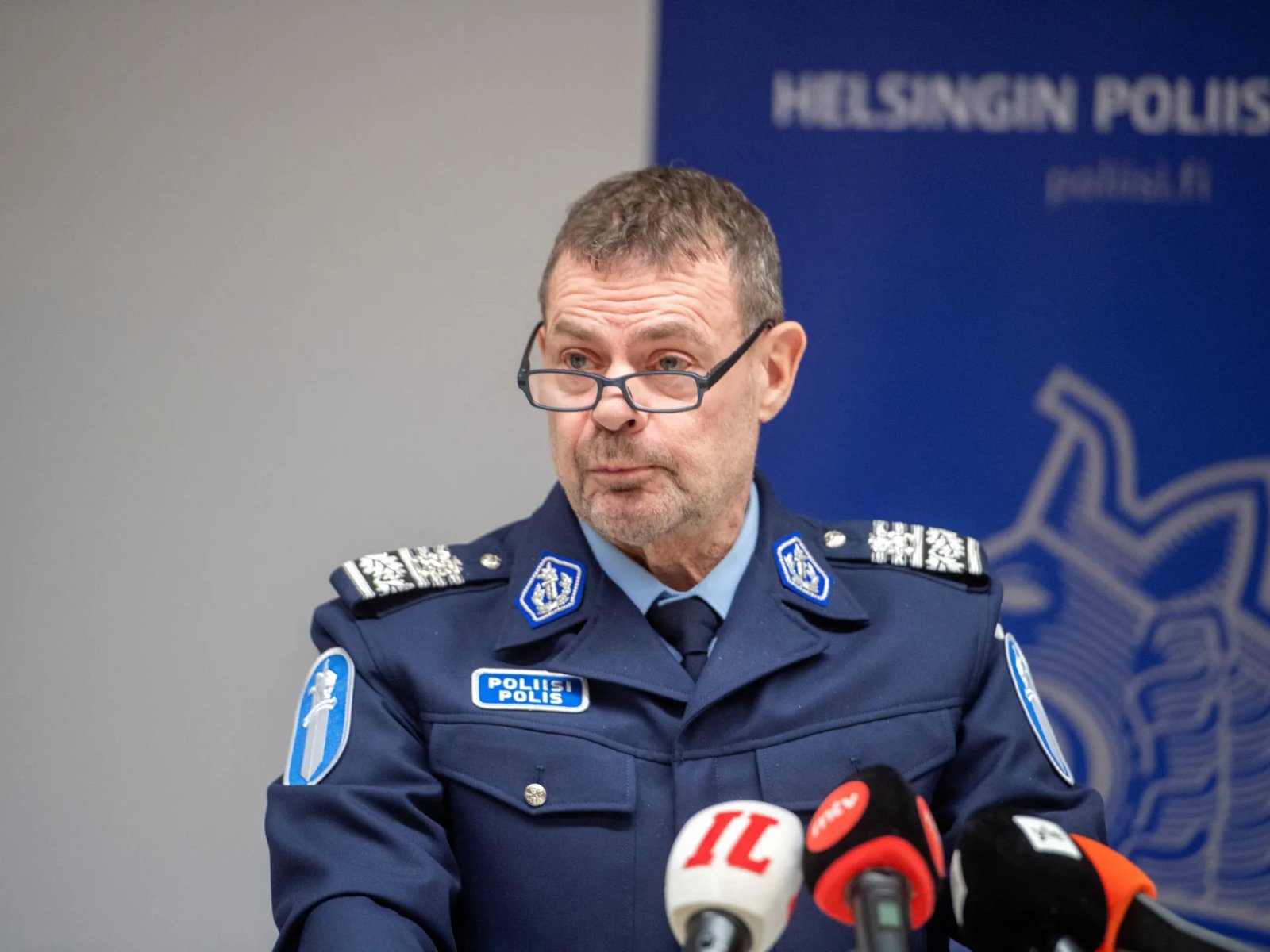
The Fitburg’s crew, comprised of 14 members from Russia, Georgia, Kazakhstan, and Azerbaijan, has been detained by Finnish police. The vessel itself is registered under the flag of St. Vincent and the Grenadines. During a press conference, Finnish President Alexander Stubb assured the public of the country’s readiness to handle various security challenges.
Impact on Telecommunications
The undersea cable damaged in this incident is owned by telecommunications provider Elisa and is considered essential for Finland’s communication infrastructure. However, the company has confirmed that the functionality of its services remains unaffected, as operations have been redirected while the fault is addressed. Elisa reported the incident to Finnish authorities after detecting the damage in its cable.
The Gulf of Finland, which is flanked by Estonia, Finland, and Russia, has a history of similar incidents involving damage to undersea cables. Recent years have seen a surge in such disruptions, raising the stakes for national security in the area.
Wider Repercussions
Compounding the situation, Estonia’s Ministry of Justice and Digital Affairs announced that another telecoms cable linking Estonia to Finland also experienced an outage on the same day, though the connection to the Fitburg incident remains uncertain. Estonian President Alar Karis expressed concern over the situation, emphasizing the need for clarity in the investigations.
The backdrop of these events highlights a growing narrative among security analysts and political leaders, who view acts of cable sabotage as part of a broader “hybrid war” strategy employed by Russia against NATO countries and their allies following the escalation of the conflict in Ukraine. Recent incidents, including a Christmas Day 2024 occurrence where the oil tanker Eagle S severed five cables in the Gulf of Finland, raise important questions about maritime safety and national security.
As the situation develops, NATO’s presence in the region has increased, reinforcing its commitment to safeguarding member nations amid rising tensions.
Conclusion
The situation surrounding the damaged undersea telecommunications cables in the Gulf of Finland underscores the importance of infrastructure security and the complexities of international relations in the area. Ongoing investigations will shed light on whether these incidents are indeed connected and what steps need to be taken to prevent future occurrences.
- Finnish authorities have seized the cargo vessel Fitburg, suspected of damaging undersea telecommunications cables.
- The incident has raised concerns over potential sabotage linked to rising tensions in the region.
- Elisa has confirmed that service functionality remains intact despite the cable damage.
- Related incidents in the Gulf of Finland have drawn scrutiny from NATO and heightened security concerns.