

Fiji’s Ocean Heritage and the Push for Indigenous Rights in Surf Tourism
In Fiji, the bond with the ocean begins at birth. Many babies have their umbilical cords—known locally as vicovico—interred in the coral reefs surrounding this island paradise. This age-old custom among the iTaukei, the Indigenous Fijian people, symbolizes their profound connection to the sea, reminding them of their responsibilities as guardians of the marine environment.
However, for decades, the question of who has rightful access to Fiji’s seabed has been a contentious issue, overshadowing the nation’s tourism industry, which attracts approximately one million visitors annually, many of whom are eager to experience Fiji’s renowned surf breaks. This ongoing struggle has sometimes erupted into conflict and has left emotional scars within the community.
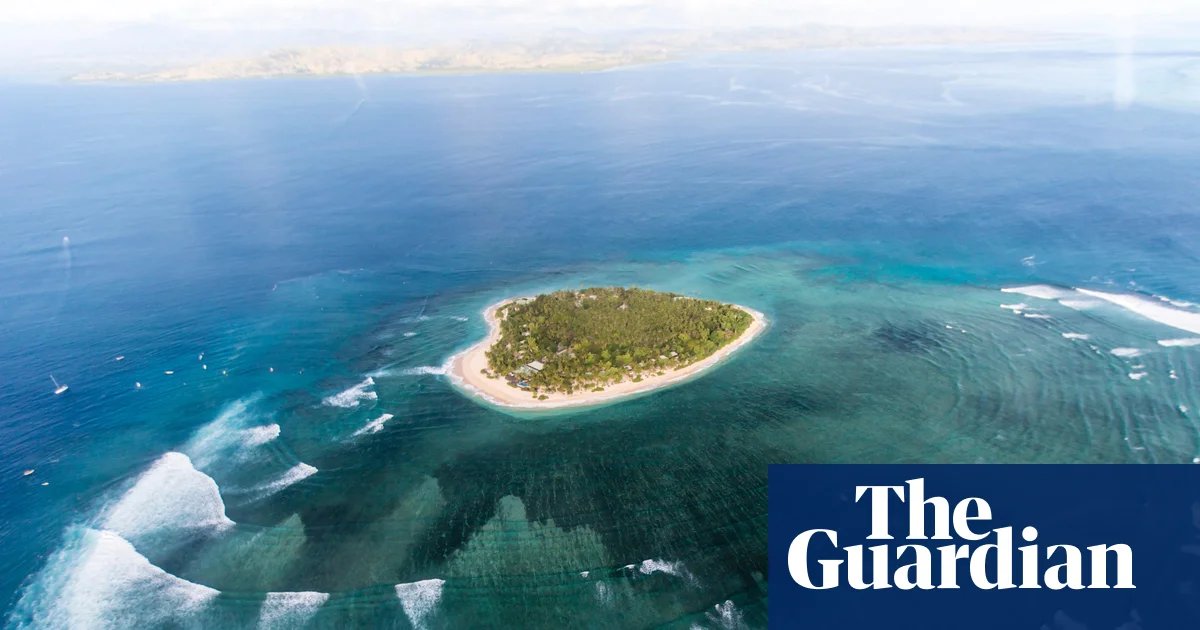
Before 2010, local access to Cloudbreak—a world-famous surf spot—was prohibited due to an exclusivity arrangement with a luxury resort established in the early 1980s. Ian Ravouvou Muller, an iTaukei surfer, reflects on this injustice, stating that it felt humiliating to be barred from waters where the vicovico of his three sons are buried. “We are a saltwater people,” he emphasizes.
Ending Exclusivity with New Legislation
The tide began to turn in 2010 when the military government, led by Frank Bainimarama, implemented a decree that eliminated any fees for using Fiji’s reefs, beaches, and lagoons, thus dissolving existing exclusivity agreements. Before this decree, the Tavarua Island Resort had compensated local Nadroga tribes for private access to Cloudbreak, costing up to 12 million Fijian dollars (about $5.2 million USD) in leases that were overwritten by the new legislation.
This decree opened the waves for both locals and tourists, fostering a new wave of young surfers, including Fiji’s very first professional surfer. Yet, this shift often sidelined the traditional rights of the iTaukei, resulting in them being excluded from both decisions and profits while foreign-owned resorts flourished alongside a booming surf tourism industry.
Currently, the Fijian government is looking to re-establish the authority of Indigenous people over marine regions referred to as qoliqoli. This change would allow the iTaukei to receive compensation for tourism on the reefs and fishing grounds that have sustained them for generations.
Viliame Gavoka, Fiji’s deputy prime minister and tourism minister, voiced optimism when introducing a new marine areas bill to parliament in December. “With this legislation, Fiji can ensure our Indigenous communities are actively engaged in tourism,” he noted.
This legislative move has elicited applause from the iTaukei community as a significant step toward acknowledging their rights. Tourism plays a crucial role in Fiji’s economy, accounting for about 40% of its GDP and generating approximately $1 billion USD annually. Nevertheless, many iTaukei still face rural poverty, living on less than $1.25 a day. Dr. Jekope Maiono, an expert in Indigenous economic development, points out that the people who have cared for these reefs for generations often see none of the benefits: “The Indigenous people want their fair share, and they deserve it.”
Concerns Regarding the New Bill
The bill has not been without its critics. Several tourism stakeholders have expressed doubts about its practical implementation. Jon Roseman, managing director of Tavarua Island Resort, voiced concerns about lingering uncertainties surrounding the bill’s effects. Others have called for clarity on how funds would benefit Indigenous communities, emphasizing the need for governmental support for any added costs.
Currently, hotel leases are managed by the state, with customary owners generally receiving a one-time payment for forfeiting fishing rights. Under the new bill, customary groups would register their rights with a government commission, which would manage lease negotiations. Environmental attorney James Sloan warns that this could disrupt existing business models and funding structures, while possibly rendering Fiji a pricier travel destination. Nonetheless, he believes if the bill is carefully executed, it could revolutionize the relationship between tourism and Indigenous rights.
A Legacy of Resistance
Since British colonial claims in 1874, numerous attempts have been made to restore customary rights to the iTaukei. These efforts gained momentum post-independence in 1970. Although fishing areas were demarcated and recognized, proprietary rights remained with the state.
Resistance against these changes has persisted, with the last failed Qoliqoli bill in 2006 cited as a key trigger for Bainimarama’s coup. Hoteliers at the time voiced fears that compensating local tribes for access to fishing grounds would threaten the tourism industry.
However, experts assert that these worries may be exaggerated. Usaia Gaunavou, director of iTaukei studies at the University of Fiji, states, “The goal has consistently been the empowerment of the iTaukei.” With the passage of this crucial legislation, it appears Fiji is making strides towards recognizing Indigenous rights for the first time in its history.
As reiterated by the chief executive of Tourism Fiji, Dr. Paresh Pant, preliminary consultations show robust community support for the bill. Plans could include a “sustainability tax” for travelers at the airport, promoting responsible tourism that enhances the socio-economic fabric of Fiji while ensuring the sustainable use of its natural resources.
For individuals like Muller, who cherish their relationship with the ocean, this initiative comes as a long-overdue acknowledgment. “People often believe nature is free for all, but it comes at a cost that needs protection,” he asserts. “We are rectifying historical wrongs to shape a better future, guided by the traditions of our people. For us, it symbolizes redemption in surfing.”
- The iTaukei people’s connection to the sea is deep-rooted, with cultural practices intertwining with marine life.
- Recent legislation aims to restore Indigenous rights over marine areas, allowing for better compensation from tourism.
- Concerns remain about the practicality and impact of the new marine areas bill on tourism operations.
- The move is seen as a historic change in empowering the iTaukei community and acknowledging their vital role in Fiji’s tourism sector.