

Trial Ordered for Diplomat in Lumumba Assassination Case
A Brussels court has recently mandated that a former prominent Belgian diplomat will stand trial regarding the assassination of Patrice Lumumba, the inaugural prime minister of the Congo. This legal action marks a pivotal move aimed at uncovering the still unclear details surrounding his assassination.
The Story of Patrice Lumumba
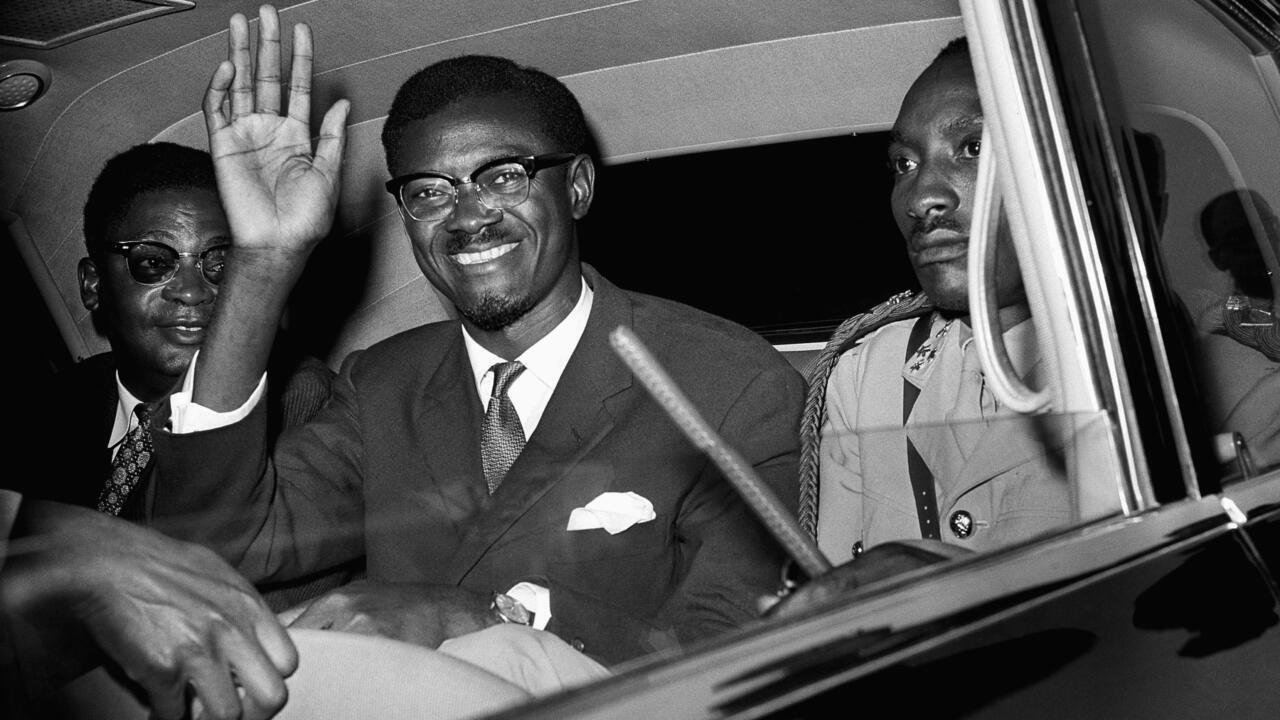
Patrice Lumumba was appointed prime minister as the Democratic Republic of the Congo gained independence from Belgium in 1960. His time in office, however, was cut short within just a few months when he was ousted and subsequently murdered by Belgian-supported rebel forces on January 16, 1961.
Belgium’s Acknowledgment of Responsibility
A Belgian parliamentary investigation conducted in 2002 found Belgium to be “morally responsible” for Lumumba’s death. Now, the trial of 93-year-old Count Étienne Davignon, who was a junior diplomat during the time, represents the first prosecution related to this notorious assassination.
Accusations Against Davignon
Prosecutors have accused Davignon of war crimes, asserting that he was involved in the illegal detention and transfer of Lumumba while denying him the right to a fair trial. The claims further include subjecting Lumumba to “humiliating and degrading treatment.” Additionally, he faces charges concerning the murders of two of Lumumba’s political allies, Maurice Mpolo and Joseph Okito. Notably, all other suspected individuals related to the case have passed away.
Impact of Lumumba’s Legacy
Despite his government’s brief duration, Lumumba became a symbol of anti-colonial resistance, especially as nations across Africa sought independence from colonial rule in the 1960s. His murder is seen as a significant and tragic turning point for the Congo, a country rich in natural resources like copper, cobalt, gold, and uranium but plagued by dictatorship and violent conflict throughout its post-colonial history.
Global Implications and Historical Context
While Lumumba publicly maintained a stance of neutrality, his connections with the Soviet Union during the Cold War raised alarms in Western capitals. Some historians allege that the Central Intelligence Agency (CIA) of the United States had a role in his assassination.
The Pursuit of Justice
The case has been initiated by Lumumba’s surviving family members and has now gained the attention of Belgian federal prosecutors. “This is a step in the right direction,” expressed Yema Lumumba, Patrice’s granddaughter, in an interview following the court’s ruling. “What we seek is truth and clarity regarding the various parties involved.”
Count Étienne Davignon’s Background
After his service in Congo, Davignon, who hails from Belgian nobility, achieved significant recognition as the first head of the International Energy Agency and served as a European Commissioner from 1977 to 1985. His extensive career includes leadership at the Belgian holding company Société Générale de Belgique, along with positions on the boards of various companies. In 2018, he was designated a count by King Philippe of Belgium.
Conclusion
The trial against Count Étienne Davignon represents a crucial step toward exploring accountability for the assassination of Patrice Lumumba, a leader whose legacy continues to resonate. As Belgium confronts its history, the proceedings may finally offer the truth long sought by Lumumba’s family and supporters.
Key Takeaways
- Former diplomat Count Étienne Davignon is set to stand trial for his role in the assassination of Patrice Lumumba.
- Belgium acknowledges moral responsibility for Lumumba’s death.
- Lumumba’s legacy remains impactful as a symbol of anti-colonial resistance in Africa.
- The trial could provide opportunities for uncovering truths surrounding this historical event.