

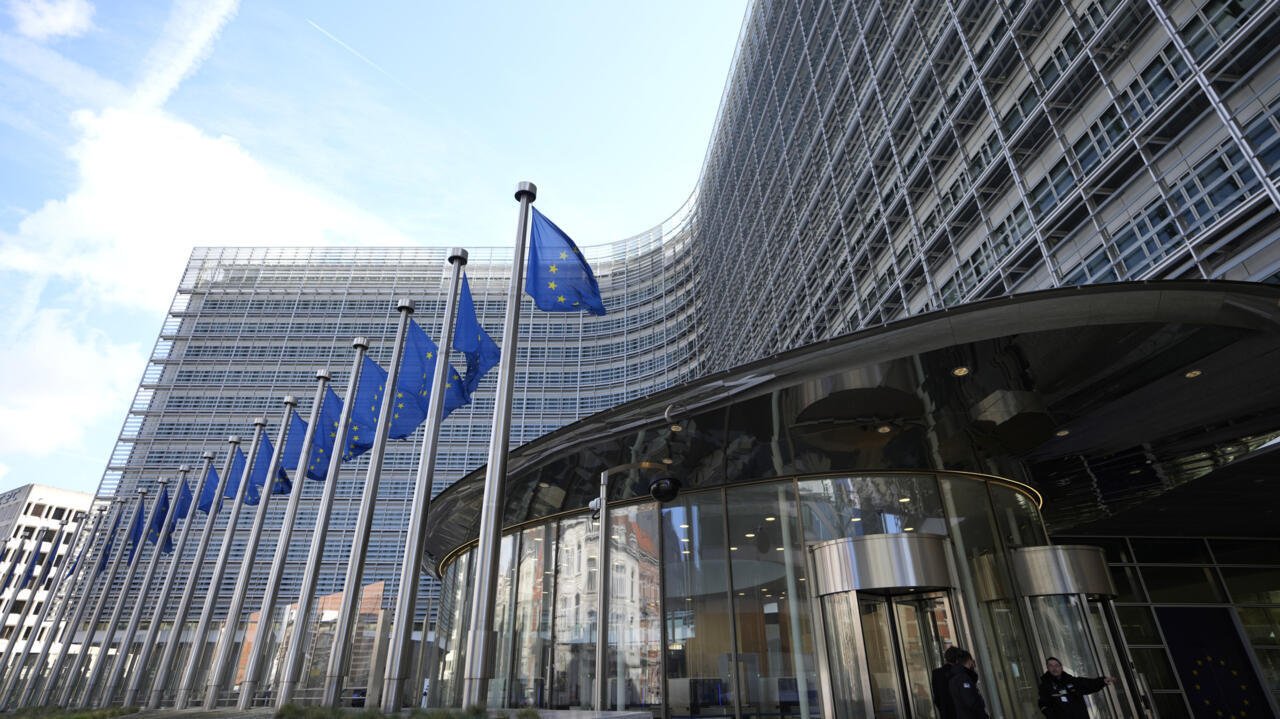
EU Leaders and the Standoff Over Ukraine’s Loan
On Thursday, European Union leaders will gather in Brussels with the aim of finalizing a significant loan for Ukraine. This essential funding is currently entangled in a dispute between Hungary’s Viktor Orban and Ukraine’s Volodymyr Zelensky. Orban, often seen as Russia’s ally within the EU, has been hesitant to support Kyiv in its fight against the Russian invasion, effectively stalling European aid and sanctions.
The Loan Standoff
At the center of this conflict is a €90 billion (approximately $104 billion) loan that Orban is using as a bargaining chip in his disagreement over the damage to a pipeline in Ukraine. This pipeline is crucial, as it has significantly impacted the flow of Russian oil to Hungary and Slovakia. Ahead of the closely contested national elections on April 12, Orban has adopted an aggressive stance, stating, “No oil, no money.” He insists that for President Zelensky to receive support from Brussels, the Druzhba pipeline must be reopened.
Accusations and Responses
The ongoing squabble has led landlocked Hungary and Slovakia to accuse Ukraine of delaying necessary pipeline repairs. In response, Zelensky has characterized this stance as “blackmail,” claiming it undermines efforts to support Ukraine’s defense against Russian aggression. In a bid to resolve the situation, the European Commission dispatched a team to facilitate the restoration of oil transit, but Hungary has disregarded this measure as merely a performance and has shown no willingness to compromise.
The Impending Showdown
This latest episode in Brussels is set to be another challenging moment for EU leaders, particularly given Orban’s history of obstructing discussions related to Ukraine. Previous instances have seen strategies employed where Orban would temporarily leave the room while the majority reached an agreement. However, many within the EU are growing increasingly frustrated with Orban’s reluctance to honor a loan he previously approved during a summit in December.
As one EU diplomat noted, “Everybody wants this to be resolved.” Fellow countries are becoming increasingly weary of Orban’s actions. A German official suggested there was “a certain momentum” toward resolving the pipeline issue, fueling hopes for progress during the Thursday meeting. Yet, others remain unconvinced. “Will we make progress? I have strong doubts,” remarked another diplomat, predicting that Orban’s current position is likely to remain unchanged, playing well among his support base.
Looking Ahead
Compounding the situation, leaders are hesitant to publicly confront Orban in a way that could bolster his reputation as a defiant figure in the EU, particularly with him trailing behind his main electoral rival, Peter Magyar, in the polls. Should the deadlock continue, it may delay the decision on the loan well past Hungary’s elections, irrespective of the outcome.
Ukraine’s Urgent Needs
Amid this political turmoil, it remains uncertain whether Ukraine can withstand the challenges until after Hungary’s election. As the conflict drags on into its fourth year, Kyiv is projected to require substantial funding by early May, indicating that a decision on the EU loan must be reached by mid-April. Despite discussions of alternative measures to support Ukraine, diplomatic insiders emphasize that there are no viable backup plans. “There’s only one plan, and that’s Plan A,” one diplomat stated, urging Orban to fulfill his previous commitments.
Conclusion
The ongoing standoff over the EU loan for Ukraine encapsulates the complex and often contentious dynamics within the European Union. As leaders prepare to meet, the stakes are high for both Hungary and Ukraine, making it crucial to navigate these challenges for the greater European stability.
- EU leaders are meeting in Brussels to discuss a vital loan for Ukraine.
- Hungary’s Viktor Orban is using the loan as leverage in his dispute with Ukraine.
- Accusations between Hungary, Slovakia, and Ukraine complicate the situation.
- No alternative solutions exist; EU diplomats emphasize the importance of honoring commitments.