

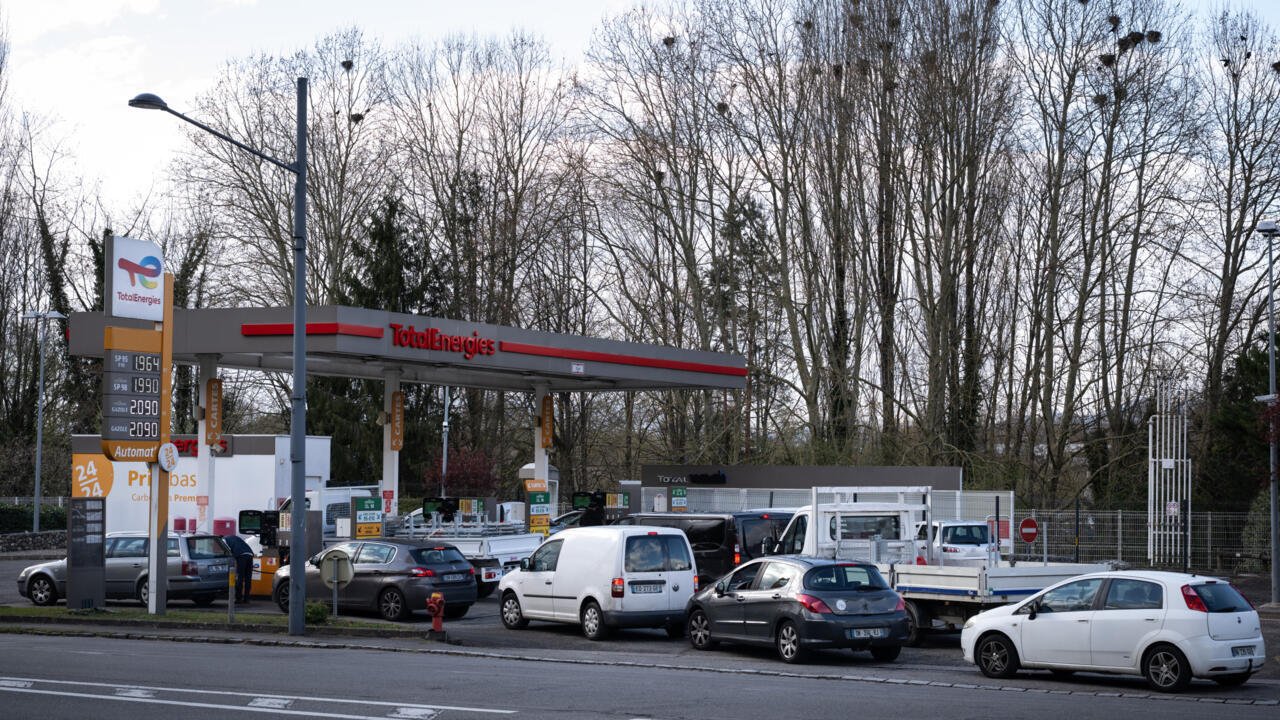
Record Fuel Prices in Europe Amid Rising Tensions
The ongoing conflict in Iran has led to unprecedented fuel inflation across Europe, particularly impacting diesel prices. As the situation escalated following attacks on February 28, diesel fuel has seen a staggering 30% increase compared to previous levels. With the Easter holiday approaching, a surge in demand is expected, leading to long queues at petrol stations.
The Rising Costs of Diesel
Diesel prices are experiencing more significant hikes than other fuel types, a trend that was already underway prior to the conflict. Analysts predict that costs may continue to increase, which could further influence inflation rates, especially if trading routes through the vital Strait of Hormuz remain restricted. Just recently, diesel prices exceeded $200 per barrel in Europe, marking the highest levels since March 2022, following Russia’s invasion of Ukraine.
The Prevalence of Diesel in Europe
Despite the growing popularity of electric vehicles, diesel remains the dominant fuel choice in Europe. Essential sectors such as transportation, agriculture, construction, and shipping heavily rely on diesel fuel. According to FuelsEurope, diesel accounted for a remarkable 86% of transport fuel sales in Latvia in 2024, 73% in France, and 66% in Germany.
Market Dynamics
Experts note that the supply chain for diesel has become significantly more constrained than that for gasoline, prompting a sharp escalation in diesel prices compared to gasoline, whose price increases have been more moderate. Susan Bell, a commodity markets analyst at Rystad Energy, remarked on the distinctive market conditions fueling these trends.
Impact Across Europe
Countries like the United Kingdom and France have also felt the effects of rising diesel prices, with increases surpassing 30% since the onset of air strikes against Iran. In contrast, the price of regular petrol in France rose by just 17%, according to government data.
Regional Price Variations
The Netherlands currently has the highest diesel prices in Europe, exceeding $2.80 per liter, a striking 20% more than the lowest prices observed in Italy. Historically, diesel was considered a budget-friendly alternative to petrol, encouraged by both governmental policies and automotive manufacturers. However, insufficient refinery capacity and tax increases have changed the landscape in recent years.
Shifts in Supply Sources
The European Union has transitioned to being a net exporter of petrol while relying heavily on diesel imports. Following the sanctions imposed on Russia due to its invasion of Ukraine, the EU has turned to suppliers in India, Turkey, the United States, and Saudi Arabia for its diesel needs. In fact, Middle Eastern countries accounted for over half of Europe’s diesel supply in 2025, with a significant portion passing through the Strait of Hormuz.
Seeking Alternatives
In response to the escalating crisis, several EU nations like Slovakia have imposed temporary restrictions on diesel sales, while others such as Ireland and Spain have slashed diesel taxes to alleviate pressure on consumers. A representative from TotalEnergies noted that refineries are running at full capacity, leaving minimal options for adjustments. If regular petrol supplies dwindle, Europe might consider limiting exports, but the situation for diesel is far more complex.
Conclusion
As Europe navigates this tumultuous landscape, the focus will need to be on balancing supply and demand while exploring new sources for diesel. With sanctions on Russia remaining in place, the exploration of alternative solutions, including strategic reserves and potentially reducing consumption, may be critical for managing the ongoing fuel crisis.
Key Takeaways
- Fuel prices, particularly diesel, have skyrocketed due to the conflict in Iran.
- Diesel remains a crucial fuel in Europe, used extensively across various sectors.
- With dependency on external diesel sources, the EU must find alternative suppliers.
- Government responses include tax cuts and sales restrictions to manage the crisis.