

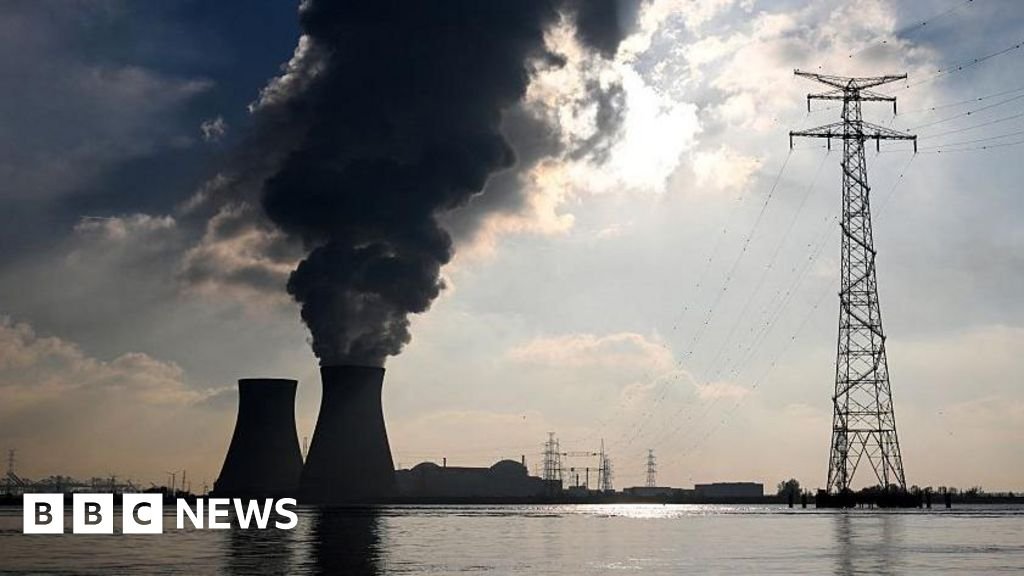
The Shift in Europe’s Energy Landscape: From Nuclear Power to Fossil Fuel Dependence
In the early 1990s, nuclear power played a significant role in Europe’s energy mix, accounting for nearly a third of the continent’s electricity generation. However, this reliance has drastically decreased, with current figures showing that nuclear energy now contributes around 15% of Europe’s total electricity supply. This decline has left Europe heavily reliant on costly and unpredictable imports of fossil fuels, creating a considerable energy challenge for the region.
The Decline of Nuclear Power in Europe
The reduction in nuclear power usage is alarming, especially considering Europe’s historical reliance on this energy source. Several factors have contributed to this downturn, including growing safety concerns, changes in public opinion, and political hurdles concerning nuclear energy development.
Growing Concerns and Alternatives
Citizen apprehension regarding nuclear safety has led to increased scrutiny and opposition, prompting some countries to phase out their nuclear operations entirely. Concurrently, there has been a push towards renewable energy sources as viable alternatives, yet the transition has not come without its challenges.
The Impact of Fossil Fuel Dependence
As nuclear energy’s share decreases, Europe’s dependency on imported fossil fuels rises, exposing it to volatile global energy markets. This growing reliance can affect energy prices and supply stability, putting Europe at a competitive disadvantage in the global market.
Comparative Disadvantages
With fossil fuels subjected to price fluctuations and supply uncertainties, Europe’s economy faces considerable risks. In comparison to other regions that maintain a steadier energy mix, this dependence can hinder Europe’s recovery and future growth.
Conclusion
The landscape of Europe’s energy production has shifted dramatically over the past few decades. Once thriving on nuclear energy, Europe now finds itself battling the reliance on imported fossil fuels. Without strategic planning and investment in energy diversification, the region may continue to face significant challenges ahead.
Key Takeaways:
- In 1990, nuclear energy accounted for about one-third of Europe’s electricity.
- Currently, this figure has decreased to approximately 15%.
- Europe is now increasingly dependent on unpredictable fossil fuel imports.
- This shift presents economic challenges and a competitive disadvantage on the global stage.