

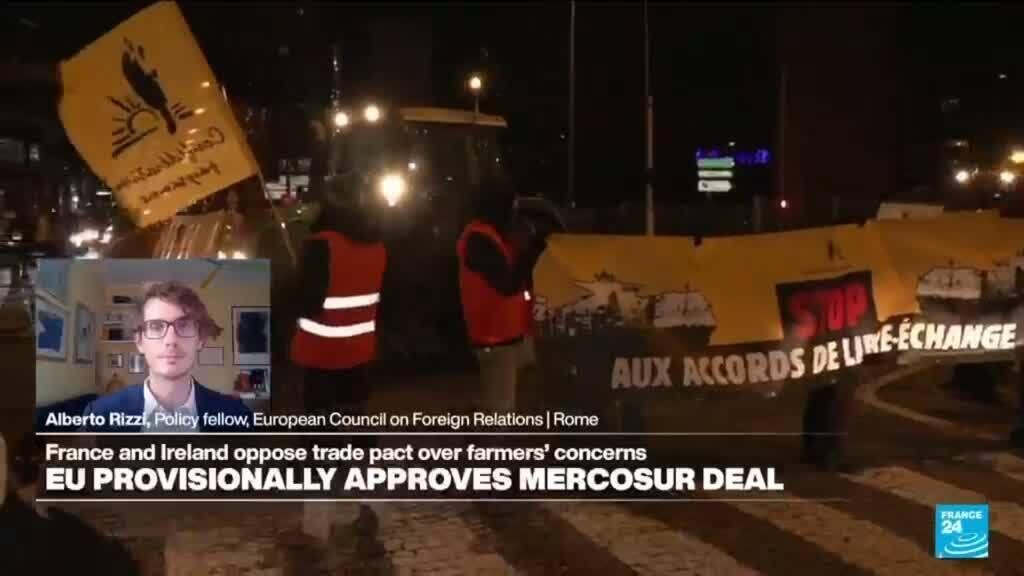
Understanding the Evolving EU-Mercosur Trade Agreement Landscape
In the ever-changing political environment of Europe, the EU-Mercosur trade agreement has taken center stage. Alberto Rizzi, a Policy Fellow at the European Council on Foreign Relations, provides his insights into Italy’s recent shift in support for this long-anticipated agreement. This change highlights a critical balancing act between national economic interests and the concerns of Italian farmers. Rizzi’s analysis conveys that we should not oversimplify the situation as either a complete threat or a straightforward solution. Instead, it serves as a valuable example of how contemporary democracies navigate the complex waters of global interdependence and the challenges faced by rural communities.
The Shift in Italy’s Stance
Italy’s recent pivot towards supporting the EU-Mercosur agreement marks a significant shift in its political landscape. This decision appears to prioritize economic advantages over the traditional protective measures for local farmers. The motivation behind this change underscores a broader trend where national interests are increasingly weighing on decisions previously driven by agricultural protectionism.
A Complex Dilemma
Rizzi emphasizes the importance of not casting this scenario in black-and-white terms. Viewing the EU-Mercosur agreement solely as a threat to local agriculture misses the nuanced realities at play. While some may fear the influx of agricultural products from Mercosur countries, there are also tangible economic benefits that could arise from improved trade relations.
Economic Benefits
- Expanding market access for European goods.
- Potential lower prices for consumers.
- Increased competitiveness in global markets.
Concerns for Local Farmers
- Competition from imported products.
- Risk of market destabilization.
- Need for adjustment support for affected communities.
Global Interdependence and Rural Communities
This scenario highlights the challenges that modern democracies face as they balance global interdependence with the needs of rural populations. The debate surrounding the EU-Mercosur agreement is not just about trade; it encompasses broader themes of economic equity, sustainability, and the future of agriculture in the European context. Rizzi’s insights prompt us to think critically about how these agreements affect different sectors of society.
Conclusion
The discussions around the EU-Mercosur trade agreement reveal the complexities of navigating both economic growth and the preservation of local agricultural interests. As Italy aligns itself with the deal, it raises important questions about balancing national priorities in an interlinked global economy.
Key Takeaways
- Italy’s support for the EU-Mercosur agreement highlights economic over agricultural interests.
- Having a balanced perspective is crucial; it’s not just a threat or a solution.
- The agreement serves as a case study in managing global interdependence amidst rural challenges.
- Engagement in trade discussions shapes the future of local agriculture and economies.