

EU Leaders Push for Funding Deal for Ukraine
In a high-stakes summit, European Union leaders are urgently trying to reach a funding agreement for Ukraine, framed as a choice between “money today or blood tomorrow.” Belgium, however, has expressed strong reservations about securing a loan against Russia’s frozen assets. This summit is seen as crucial, as EU leaders evaluate a historic proposal to utilize some of the €210 billion in Russian sovereign assets that were frozen shortly after the 2022 invasion.
The Loan Proposal
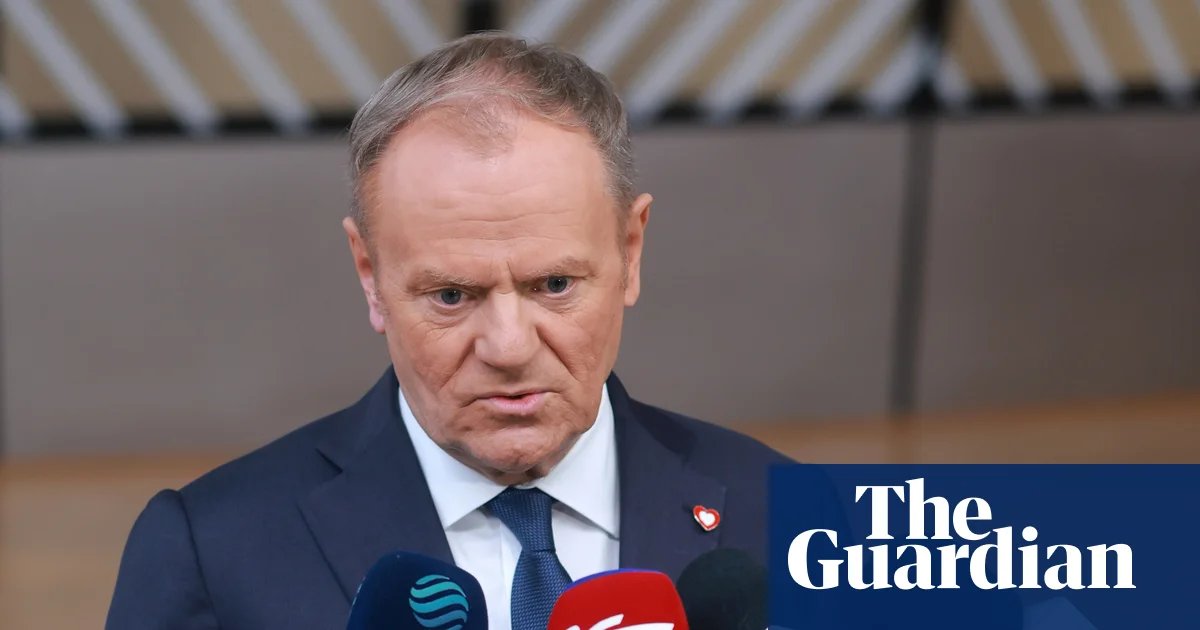
The proposed scheme involves the EU offering a €90 billion loan aimed at sustaining Ukraine’s resistance as it grapples with ongoing challenges on the battlefield. In emphasizing the urgency, Poland’s Prime Minister Donald Tusk articulated a stark message: “Either money today or blood tomorrow.”
Ukrainian President Volodymyr Zelenskyy has called for a decision regarding the funding by the year’s end, warning that his country could face bankruptcy as early as spring. “If these funds can serve European security by holding the aggressor accountable, then why should we allow Moscow any hope of reclaiming their assets regardless of their actions?” he questioned during discussions with EU leaders. Zelenskyy highlighted the need for Europe to stand strong against intimidation from Russia, stressing, “We should not fear these threats; our concern should be over Europe’s vulnerability.”
Funding Solutions on the Table
EU leaders have been presented with two options to address Ukraine’s estimated funding needs of €136 billion for 2026 and 2027: one being a “reparations loan” backed by Russian frozen assets, and the other involving joint borrowing by the EU to help fund Ukraine. The European Commission proposed the €90 billion loan, while also anticipating support from Ukraine’s other Western allies.
Supporters and Opponents
Countries like Germany, alongside other fiscally conservative nations such as Sweden and the Netherlands, favor accessing Russian assets over placing the burden on European taxpayers. Notably, German Chancellor Friedrich Merz stated, “We are essentially faced with the option of using European debt or Russian assets for Ukraine, and my stance is clear: We must utilize the Russian assets.”
Conversely, Belgium, which hosts most of the frozen Russian assets, has indicated a lack of sufficient guarantees from the EU regarding potential repercussions if the plan fails. Belgian Prime Minister Bart De Wever emphasized this need, saying, “Give me a parachute and we’ll all jump together.”
Concerns and Legal Challenges
A draft summit document proposed “full solidarity” and risk-sharing among nations and financial institutions concerning the reparations loan, but Belgium is looking for more detailed guarantees. The draft lacked specifics on how quickly assurance could be provided and the duration of that support.
UK Foreign Secretary Yvette Cooper, during her visit to Athens, highlighted the critical nature of mobilizing Russia’s assets, reiterating that Moscow’s intentions in Ukraine remain aggressive. “We must make substantial progress in mobilizing the Russian sovereign assets to support Ukraine and apply more pressure on Russia to seek peace,” she stated.
Legal Actions from Russia
In a recent development, Russia’s central bank announced plans to pursue compensation from European banks concerning the unlawful blocking and utilization of its assets, claiming damages amounting to $230 billion associated with Euroclear. An intimidation campaign concerning Euroclear, where €185 billion in Russian assets are stored, has been reported by security officials.
Zelenskyy mentioned that he had a productive discussion with De Wever but reminded leaders of the significant risks Ukraine faces, particularly with Russia at its borders. He urged EU leaders to support the reparations loan on the basis of strategy and self-interest, noting that a considerable part of the funds would be allocated for European-made weapons. He also mentioned the necessity for certain military equipment unavailable in Europe, including U.S. missile defense systems.
Different Opinions Among EU Countries
Countries like Italy, Malta, and Bulgaria align with Belgium in preferring an EU loan backed by non-allocated funds in the EU budget. Italian Prime Minister Giorgia Meloni voiced concerns that leveraging Russia’s frozen assets without a robust legal framework would represent a major victory for Moscow.
Joint borrowing, however, requires unanimous consent from the 27 EU member states. Hungary’s Prime Minister Viktor Orbán criticized the proposal to utilize Russian assets, labeling it a “stupid” idea and indicated his veto against co-financing a conflict that doesn’t involve Hungary directly.
Looking for a Solution
French President Emmanuel Macron expressed optimism about reaching a consensus among leaders, emphasizing the need for a technical resolution and ensuring all voices are heard. European Commission President Ursula von der Leyen asserted that she wouldn’t leave the summit without a solution, with discussions anticipated to conclude by Friday.
Meanwhile, a separate diplomatic effort is being led by a team from the Trump administration seeking to negotiate peace in the conflict. U.S. and Russian officials are set to convene in Miami soon to discuss a potential peace plan.
Conclusion
The situation surrounding funding for Ukraine remains uncertain, with differing viewpoints among EU countries significantly shaping the outcomes of these crucial discussions. As the pressure mounts, the resolution will likely impact not just Ukraine but the overarching stability of Europe.
Key Takeaways
- EU leaders are at a pivotal summit focusing on funding options for Ukraine.
- Belgium is hesitant about loans secured against Russia’s frozen assets without sufficient guarantees.
- Ukraine’s president has called for urgent funding decisions to avoid potential bankruptcy.
- Differing opinions within the EU complicate the path towards a unified solution.