

Escalating Violence in Gaza: A Humanitarian Crisis Unfolds
The ongoing conflict in Gaza has led to a tragic escalation in violence, with reports confirming that Israeli forces have killed at least two Palestinians amid a backdrop of a violated ceasefire. As humanitarian aid remains severely restricted, the situation continues to deteriorate for countless families in this war-torn region.
Recent Attacks and Casualties
On Monday, the Palestinian news agency Wafa reported that two individuals lost their lives when Israeli troops opened fire in the Shujayea neighborhood of eastern Gaza City. This incident adds to the grim tally of casualties, bringing the total number of Palestinians killed in Gaza over the past 24 hours to at least 12, including eight victims whose bodies were retrieved from the rubble.
The attack in Gaza City serves as a stark reminder of the ongoing violations of a ceasefire agreement brokered by the United States, which took effect on October 10. According to Gaza’s Government Media Office, Israel has breached the truce a staggering 875 times, with escalated military actions that have included air and artillery strikes, unlawful demolitions, and numerous incidents where civilians were shot.
A Humanitarian Crisis Deepens
As a result of these hostilities, at least 411 Palestinians have been reported killed, and over 1,112 have been injured since the ceasefire began. The ongoing violence has exacerbated an already dire situation for the hundreds of thousands of Palestinian families who have been displaced due to the conflict, now facing critical shortages of food, medicine, and shelter.
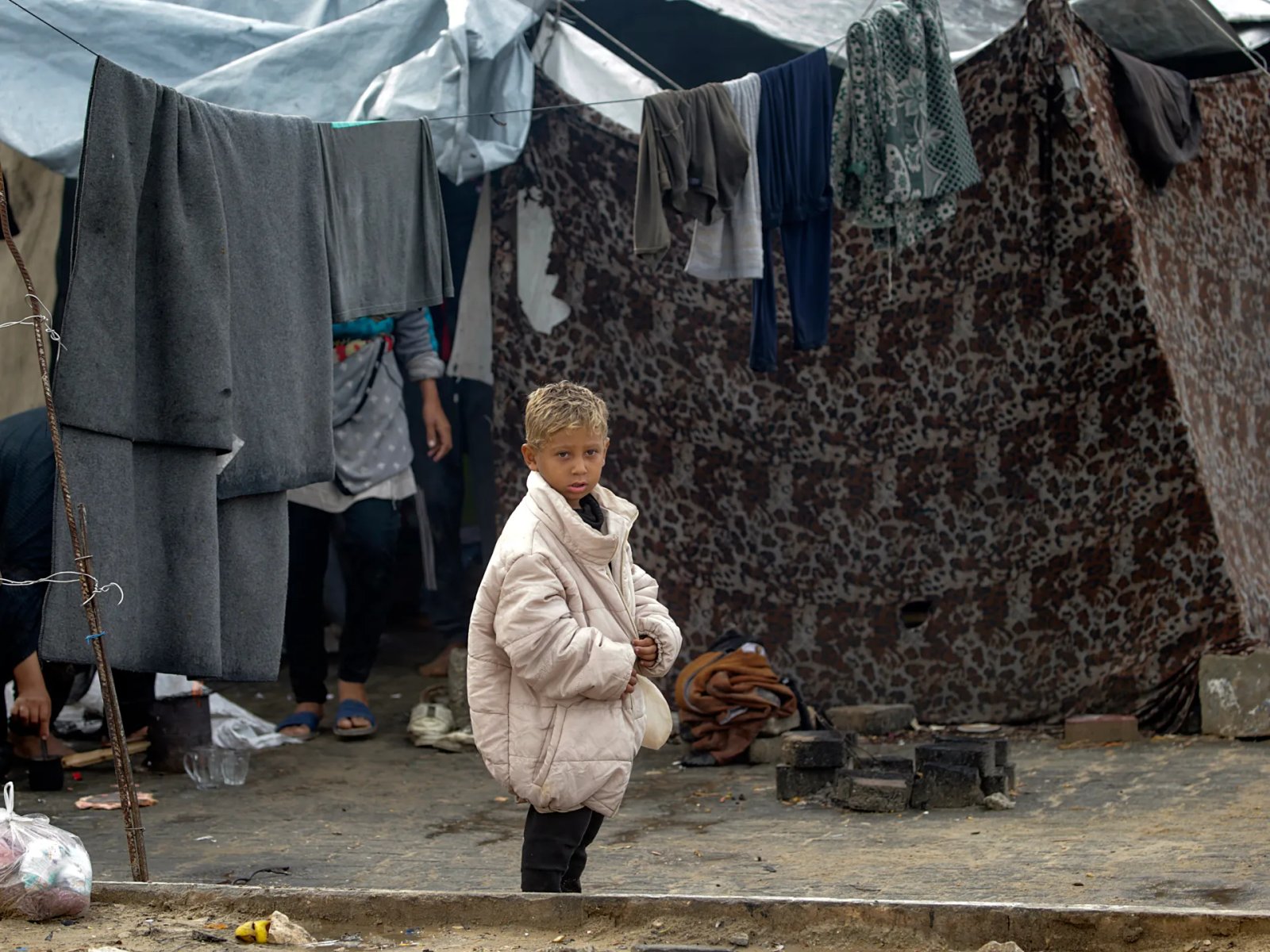
Under international law, Israel, as the occupying power, is obligated to ensure the welfare of Palestinians in Gaza. However, humanitarian organizations, including the United Nations, assert that Israel has woefully failed to facilitate the necessary delivery of aid into the region. Recent severe winter storms have further complicated this issue, with rights advocates raising alarms about the refusal to allow basic supplies like tents and blankets into Gaza, which they argue is a part of a broader policy endangering Palestinian lives.
Inadequate Aid Deliveries
According to Gaza’s Government Media Office, only 17,819 trucks have managed to enter the territory out of an expected 43,800 since the ceasefire was enacted. This translates to an average of merely 244 trucks per day—far below the 600 trucks agreed upon under the truce.
UN spokesperson Stephane Dujarric reiterated calls for lifting all restrictions on humanitarian aid, stating, “In the past 24 hours alone, we have continued to receive reports of air strikes and shelling throughout all five governorates of Gaza, causing fatalities and hindering humanitarian operations.” He emphasized the urgent need for assistance in providing sufficient shelter for the displaced, particularly as approximately 1.3 million residents continue to face precarious living conditions following heavy rains.
Healthcare and Medical Supply Shortages
The dire humanitarian crisis is compounded by a shortage of medical supplies, severely hindering patient care. Almost all hospitals and healthcare facilities in Gaza have experienced damage during the ongoing bombardments, with at least 125 medical establishments, including 34 hospitals, being affected.
Since the onset of this violent conflict in October 2023, the Israeli military actions have led to the deaths of over 70,937 Palestinians, with a significant number being women and children, along with injuries to 171,192 others.
Conclusion
The situation in Gaza is increasingly tragic, marked by escalating violence and an urgent humanitarian crisis. The ongoing violations of the ceasefire and the blockade on essential aid delivery continue to threaten countless lives, highlighting the pressing need for immediate action to alleviate the suffering of the affected populations.
- Israeli forces have killed multiple Palestinians, with recent attacks escalating concerns.
- Over 875 ceasefire violations reported since October 10, failing to facilitate humanitarian aid.
- Humanitarian conditions remain inadequate, with severe shortages of food, shelter, and medical supplies.
- The conflict has resulted in a staggering number of casualties, primarily affecting vulnerable populations.