

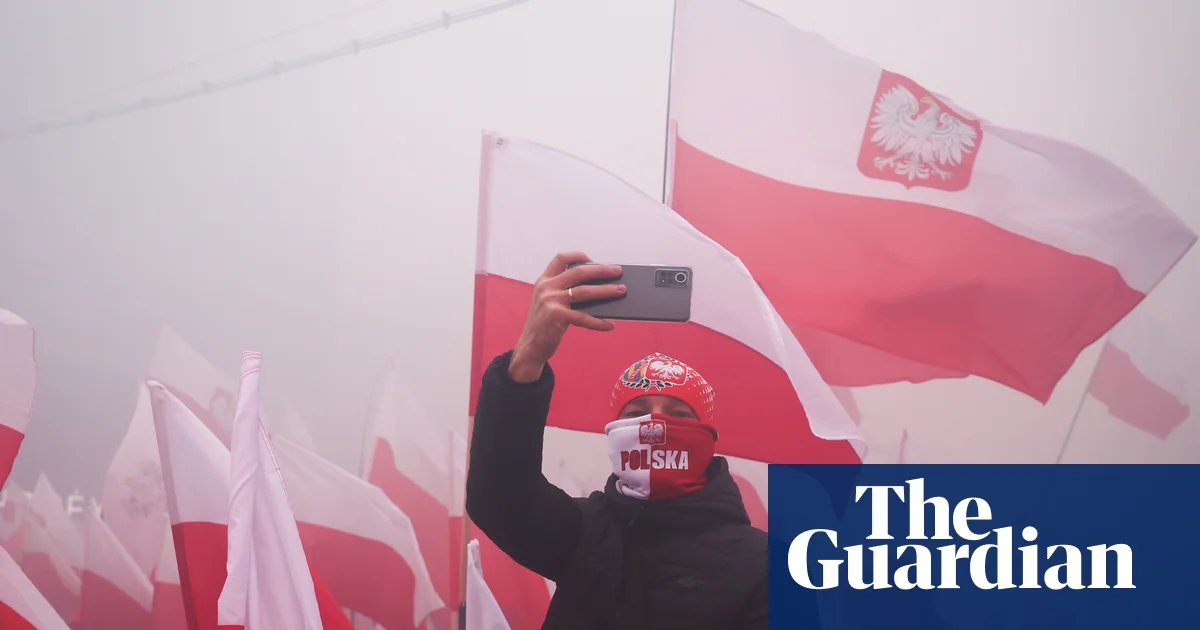
Changing Attitudes Towards Ukrainians in Poland
The rising tensions between Ukrainians and the local populace in Poland have become increasingly evident, reflecting a stark shift in attitudes. What was once an atmosphere of solidarity and support following Russia’s invasion in 2022 has transformed into a more hostile environment for many Ukrainians living in Poland. This article delves into recent incidents and broader societal changes that have contributed to this unsettling trend.
A Disturbing Incident
Valeriia Kholkina was enjoying an ice cream outing with her husband and four-year-old daughter when a stranger overheard them speaking Ukrainian. The man confronted them, insisting they teach their daughter Polish, then physically assaulted them. This event took place in Szczecin, Poland, symbolizing the growing animosity towards Ukrainians. This is a significant contrast to the overwhelming support Ukrainians felt just a year prior when many Poles volunteered to help refugees fleeing the invasion.
Shifting Perceptions
As the conflict progresses, the number of Ukrainian refugees in Poland has reached around one million, according to recent UNHCR data. Interestingly, Kholkina herself is part of the nearly half a million Ukrainians who settled in Poland before the war and has lived there for over a decade. She remarked, “I’m more Polish than Ukrainian now… but I never thought someone would lecture me on how to talk to my own family.” Since the attack, she has experienced panic attacks and advised her daughter against speaking Ukrainian in public.
This unsettling experience, while extreme, is not isolated. Many Ukrainians now report feeling the need to suppress their language. Aliona, a 39-year-old entrepreneur from western Poland stated, “Nowadays, when we go out, the kids whisper: ‘Mum, let’s speak Polish now.’ It wasn’t like this before.”
Quantifying the Hostility
While it is challenging to gauge the full extent of verbal and physical attacks on Ukrainians, many incidents go unreported. However, polls indicate a clear shift in the public sentiment towards Ukrainian refugees: support for accepting them has plummeted from 94% in the immediate aftermath of the invasion to just 48% today, with support for Ukraine’s EU membership declining similarly.
Factors Influencing Changing Attitudes
Several factors have contributed to this negative shift. Disinformation and inflammatory viral content, coupled with a rightward shift in the political landscape, have fostered resentment. The recent election of right-wing populist Karol Nawrocki in June 2025 has intensified these sentiments, resulting in portrayals of Ukrainians as ungrateful and reliant on welfare, despite evidence to the contrary.
In Germany, similar sentiments are emerging as leaders, including Chancellor Friedrich Merz, have raised concerns about an influx of young Ukrainian men in the country, urging them to serve rather than seek refuge abroad. Back in Poland, Nawrocki’s veto of extended financial aid for refugees reflects a growing trend to impose stricter requirements for benefits.
The Role of Online Sentiment
Oleksandr Pestrykov of the Ukrainian House in Warsaw noted that anti-Ukrainian sentiment gained traction online in 2023, with articles about Ukraine inundated with negative comments. While these sentiments were initially confined to the digital realm, they have begun spilling into everyday life, with an increasing number of Ukrainians reporting verbal harassment.
The complicated historical relationship between Poland and Ukraine complicates matters further. Past atrocities committed during World War II often resurface in discussions, fueling ongoing resentment. Buras described the heightened level of support for Ukraine in 2022 as an anomaly, with current trends suggesting a reversion to pre-war attitudes.
Local Incidents Amplifying Tensions
A flashpoint of tension was reached when footage of individuals waving a controversial Ukrainian flag at a concert sparked outrage in Poland, resulting in deportations and intensified scrutiny towards Ukrainian nationals.
Mixed Experiences Among Ukrainians
Not all Ukrainians are experiencing hostility. A survey from last year revealed that 58% of them expect their children to remain in Poland for an extended period. Some, like Anastasiia Zhelezniak, are finding ways to thrive. Zhelezniak moved to Warsaw in 2023, escaping the dangers of her hometown, and has had overwhelmingly positive encounters since her arrival. “At a parents’ evening, everyone was asking how they could help. It almost brought me to tears,” she reminisced.
However, she acknowledges the growing sentiment against Ukrainians online, leading her to limit her engagement with social media as negativity towards her community thrives in virtual spaces. Although many of her friends are choosing to leave, Zhelezniak hopes to build a long-term future in Poland for her children.
Conclusion
The evolving perceptions of Ukrainians in Poland highlight a troubling narrative of rising hostility amid shifting political climates and societal attitudes. While many still offer a warm welcome, the growing resentment and fear can’t be ignored as the war drags on. Understanding these dynamics is critical as communities strive for coexistence.
Key Takeaways
- Incidents of hostility towards Ukrainians in Poland are on the rise, indicating a stark shift from initial hospitality.
- Public support for Ukrainian refugees has seen a significant decline over the last year.
- Historical grievances and current political rhetoric play a crucial role in shaping public opinion.
- Despite rising tensions, many Ukrainians still find positive experiences and hope for a future in Poland.