

The Escalating Humanitarian Crisis in Sudan: Refugee Camps and Destruction in El-Fasher
The enduring conflict in Sudan has intensified, leading to a dramatic increase in displacement as people flee the violence in cities like el-Fasher. Recent satellite imagery reveals the alarming growth of refugee camps, showcasing the ongoing humanitarian crisis that has forced tens of thousands into dire situations. This article delves into the developments surrounding these camps and the state of el-Fasher itself.
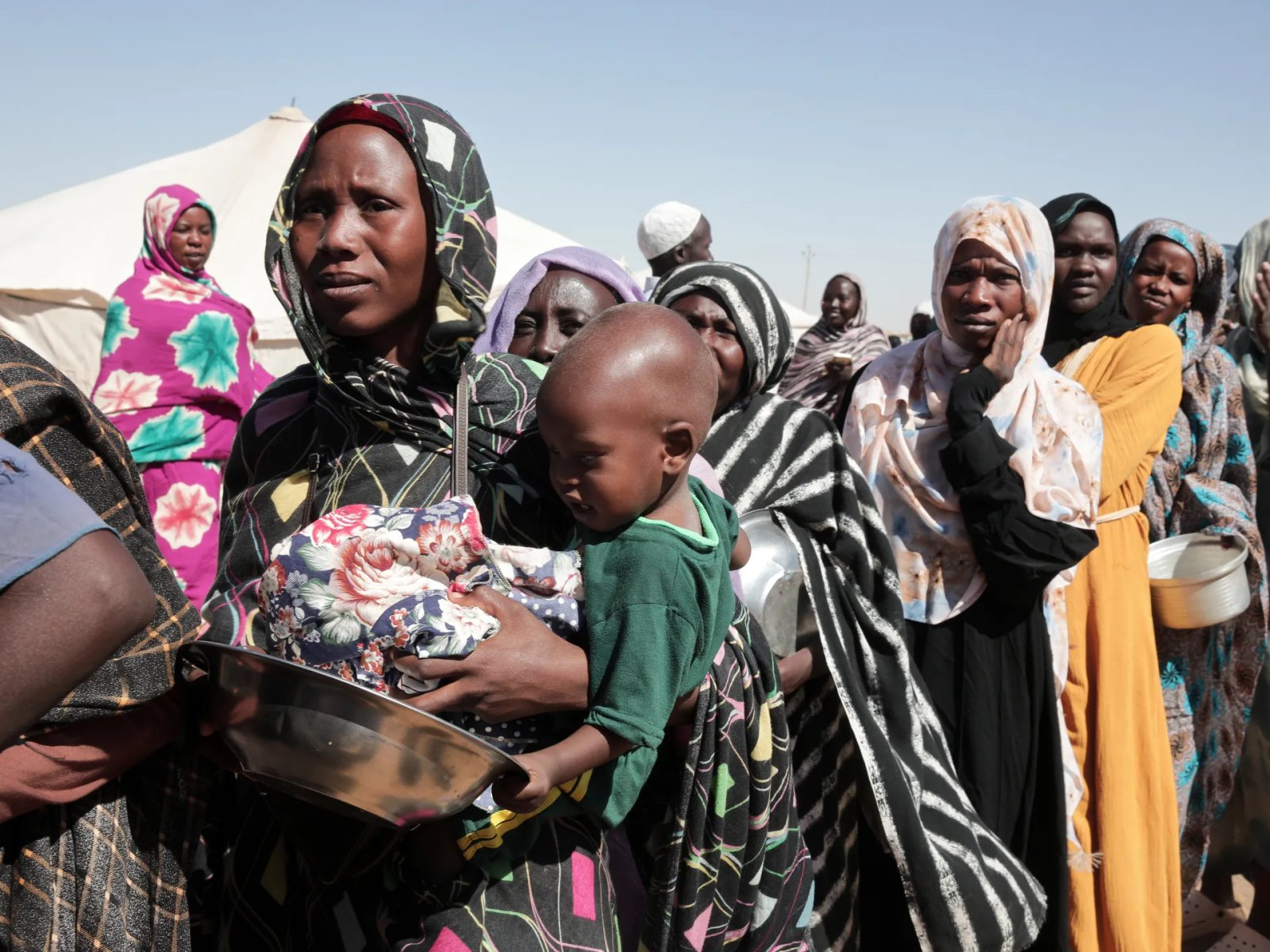
Following the violent takeover of el-Fasher by the paramilitary Rapid Support Forces (RSF) in October, several displacement camps have sprouted up, filled with individuals escaping the chaos. One notable camp has emerged in the small town of Qarni, located to the northwest of el-Fasher. Satellite data shows that between December 14 and December 29, this camp expanded by approximately 13,000 square meters, bringing its total size to around 199,000 square meters.
Expanding Camps and Increasing Refugee Numbers
An even larger camp, known as El-Afadh, has taken root near the city of al-Dabba, roughly 700 kilometers from el-Fasher. This camp has ballooned to at least 500,000 square meters after experiencing significant growth since mid-November. Recent data suggests thousands of displaced individuals continue to flock to this camp, further contributing to the humanitarian crisis that is unfolding.
The flow of refugees from el-Fasher reflects the recent developments in Sudan’s protracted conflict, which has led to the displacement of approximately 107,000 people from el-Fasher and its surrounding areas since late October. Survivors recounted harrowing experiences, including mass killings and sexual assaults at the hands of RSF forces during their takeover of the city.
Dr. Nabiha Islam, a physician who volunteered at the al-Dabba camp, highlighted the dire conditions faced by the newly arrived refugees, stating that resources were critically low and many were in need of medical attention.
El-Fasher: A City in Ruins
Last week, a UN aid team conducted its first visit to el-Fasher since the RSF’s takeover, describing the city as largely deserted and bearing the signs of a “crime scene.” UN aid coordinator Denise Brown expressed her concerns, noting that large portions of the city are destroyed and that essential services like sanitation and water supply are non-existent for many residents.
Since the outbreak of violence in April 2023, following a power struggle between the Sudanese Armed Forces and the RSF, more than 100,000 lives have been lost, and 14 million people have been displaced, with 4.3 million seeking refuge in neighboring countries. This turmoil has also resulted in famine in several regions, prompting the UN to classify the situation in Sudan as the “world’s worst humanitarian crisis.”
El-Fasher was the last major bastion for the government-aligned SAF in the Darfur region before the RSF overtook it. Having originated from the government-backed Janjaweed militia, the RSF now poses a serious threat as they continue to push further east into the Kordofan region, already resulting in thousands more refugees seeking safety.
Mohamed Refaat, the UN’s chief of mission for the International Organization for Migration, cautioned that without a ceasefire around Kadugli, a city currently besieged by RSF forces, the level of violence witnessed in el-Fasher could very well be repeated elsewhere.
- Growing displacement camps in Sudan reveal the extent of the ongoing crisis.
- Over 107,000 people have fled el-Fasher due to escalating violence and instability.
- UN assessments describe el-Fasher as severely damaged, with critical shortages of basic resources.
- There are warnings that violence could spread if peace is not achieved in the Kordofan region.