

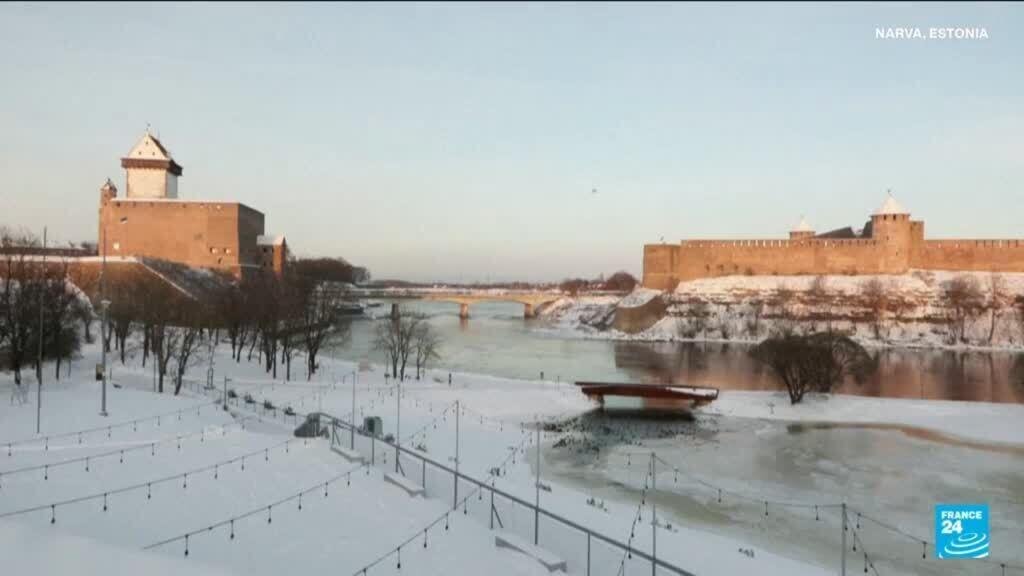
Understanding the Tensions in Narva, Estonia
Estonia’s Narva has emerged as a vivid reflection of the ongoing tensions surrounding NATO and Russia. Since 2022, the Estonian government has taken significant steps to reinforce the border, incorporating anti-tank barriers and distancing itself from Moscow. This predominantly Russian-speaking city, where around 95% of the population identifies as Russian speakers, is witnessing a series of measures that are reshaping its local culture and governance.
Escalating Measures in Narva
In response to the geopolitical climate, the Estonian government has enforced the use of Estonian in educational institutions. This move aims to integrate more Russian-speaking residents into the national fabric but has sparked debate about identity and heritage within the community.
Local Governance Changes
Compounding the situation, local governance has undergone a significant change with the recent prohibition of Russian citizens from participating in local elections. This decision has left many residents feeling increasingly isolated from their government, fueling apprehension and uncertainty in a city already undergoing rapid transformation.
Geopolitical Provocations
On the backdrop of these domestic changes, Russian provocations have also intensified. Incidents such as the removal of border buoys have added to an already fraught atmosphere, causing local residents to grapple with their identities and allegiances. With a history steeped in ties to Russia, many find themselves caught between national loyalty and cultural heritage.
A Divided Community
The situation in Narva illustrates a broader struggle within the region. Residents are increasingly conflicted, navigating the complexities of living in a community deeply intertwined with Russian culture while facing pressures to conform to a distinctly Estonian identity.
Conclusion
As tensions between NATO and Russia persist, Narva stands at a crossroads, embodying the conflict at play in the wider geopolitical landscape. The city’s ongoing transformation raises important questions about identity, governance, and community cohesion in a time of uncertainty.
Key Takeaways
- Narva represents a microcosm of the NATO-Russia standoff.
- The Estonian government is implementing measures to strengthen national identity.
- Residents face challenges as cultural ties to Russia are complicated by governance changes.
- Geopolitical provocations further deepen the divide in community sentiments.