

Recent Talks Between Ukraine and Russia: Progress Amid Ongoing Challenges
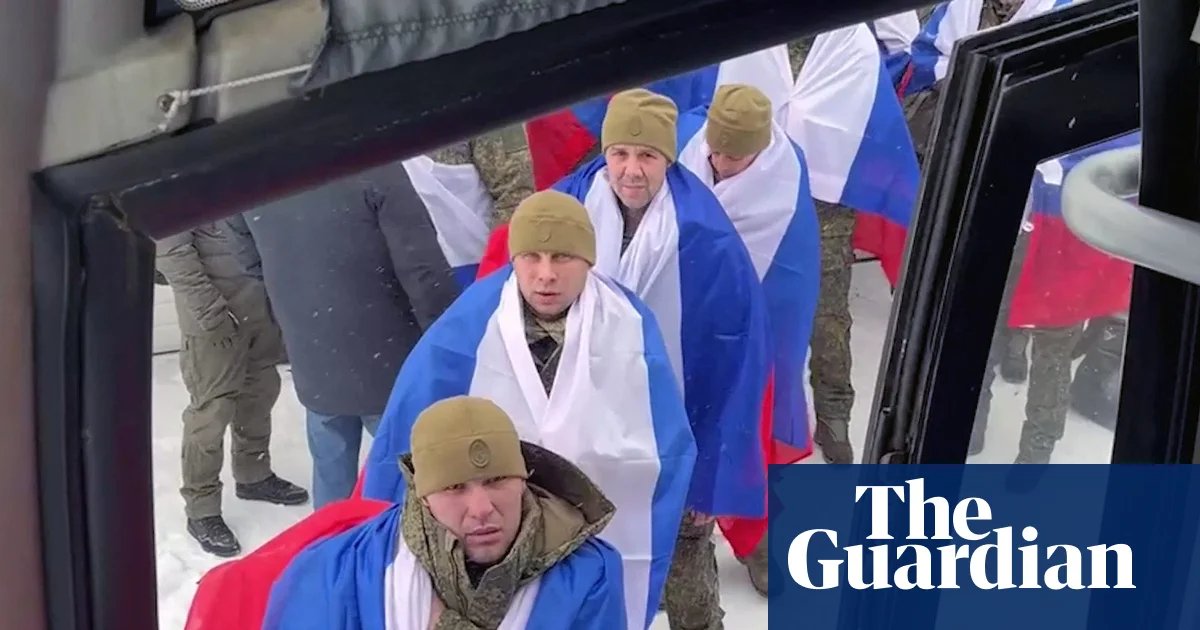
Ukraine and Russia recently wrapped up a second consecutive day of discussions in Abu Dhabi, facilitated by the United States, aimed at resolving Europe’s most significant conflict since World War II. While the dialogue did not yield a comprehensive peace agreement, both parties agreed to the reciprocal exchange of 157 prisoners of war, marking a rare tangible outcome from the talks. However, Steve Witkoff, the special envoy for Donald Trump who participated in the discussions, warned that “significant work remains” ahead, tempering hopes for a swift resolution. Nevertheless, these meetings signify the most meaningful engagement between high-ranking officials from Kyiv and Moscow in several months, highlighting a cautious yet uncertain revival of diplomatic efforts nearly four years into the conflict.
Details of the Abu Dhabi Meetings
Thursday’s discussions spanned three hours and followed a session of trilateral negotiations on Wednesday that lasted about five and a half hours. Kyrylo Budanov, head of Ukraine’s presidential office, described the trilateral talks as “genuinely constructive,” extending gratitude to the United States and the United Arab Emirates for their mediation efforts. Echoing this sentiment, Russia’s representative, Kirill Dmitriev, expressed optimism, noting that progress had been made and there was “forward movement” regarding the war’s resolution.
Future of Peace Talks
Ukraine’s President, Volodymyr Zelenskyy, later confirmed that peace discussions would continue shortly. Both sides sent senior military and intelligence officials to Abu Dhabi, signaling a more serious approach compared to previous rounds where Russia dispatched lower-ranking delegates. “For the first time in a very long time, technical military teams from Ukraine and Russia are meeting in a format in which we are also participating,” remarked US Secretary of State Marco Rubio on Wednesday.
Challenges Ahead
Despite the hopeful tone, the likelihood of a viable peace agreement remains uncertain. Moscow continues to assert maximalist territorial claims, insistent that any resolution must include Ukraine relinquishing the entire eastern Donbas region, including areas currently under Ukrainian control. Ukrainian officials have dismissed these demands, advocating instead for a ceasefire along the existing frontline and rejecting any unilateral withdrawals from their fortified positions in eastern Ukraine, where a series of heavily fortified cities represent one of Kyiv’s most formidable defensive lines.
The Stakes of Compromise
A crucial question continues to loom: is President Vladimir Putin willing to reach a compromise? The Russian leader has frequently claimed that Russia is prevailing and has indicated readiness to prolong the conflict unless Ukraine acquiesces to Moscow’s stringent terms, which also encompass restrictions on Ukraine’s military and a prohibition of Western troops on its territory. This year, faced with frigid temperatures and resilient Ukrainian resistance, Russian advances on the battlefield have notably decelerated compared to last year.
Humanitarian Impact
Despite slowed progress on the frontlines, Russian forces have maintained a relentless campaign targeting Ukraine’s energy infrastructure, resulting in extensive blackouts across large swathes of the nation and exacerbating the humanitarian crisis. Kyiv and its allies attribute these actions to attempts to undermine civilian morale.
Conclusion
While the recent discussions between Ukraine and Russia in Abu Dhabi marked a significant step in diplomatic engagement, the road to a lasting peace remains riddled with obstacles. The evolving situation will depend on both parties’ willingness to make concessions and find common ground amidst ongoing tensions.
- Recent talks in Abu Dhabi resulted in an agreement to exchange 157 prisoners of war.
- Previous lower-level talks have been replaced with high-ranking officials showing a serious approach.
- The potential for a peace agreement remains uncertain due to ongoing territorial disputes.
- Russian forces continue to target Ukraine’s energy infrastructure, deepening the humanitarian crisis.