

High Court Strikes Down UK’s Ban on Palestine Action as Terrorist Organization
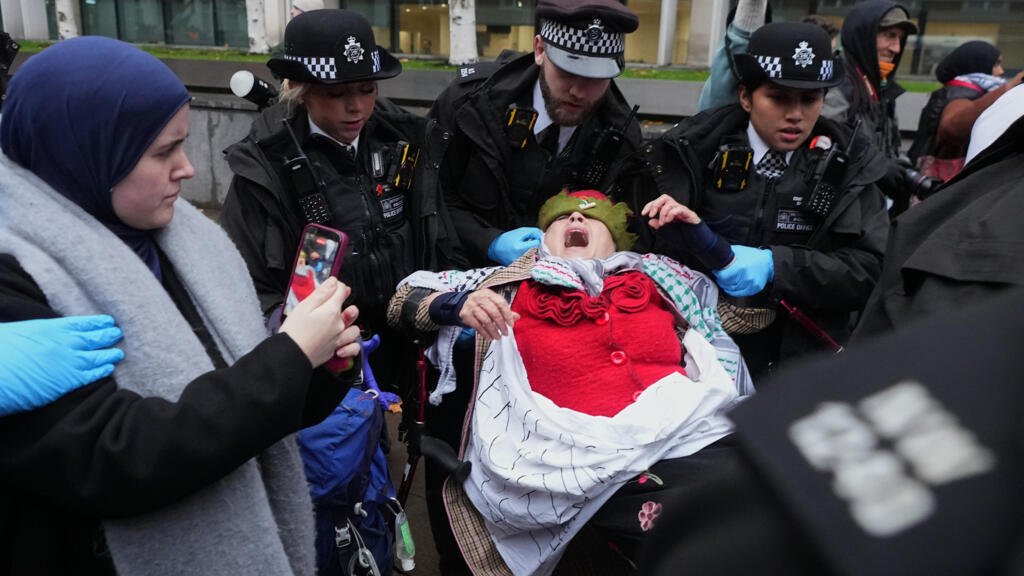
In a significant ruling, Britain’s High Court declared that the UK government’s move last July to classify the protest group Palestine Action as a terrorist organization was unlawful. This decision comes amidst a backdrop of increased arrests of peaceful demonstrators, over 2,000 of whom have been detained for advocating on behalf of the group with signs.
Background of the Case
The classification of Palestine Action was met with widespread criticism, leading to numerous legal challenges. Activists argued that the government’s designation was not only unjust but also infringed upon their rights to peaceful assembly and free speech.
Impact on Protesters
The ruling is pivotal for the many individuals who had been detained merely for expressing their political views. The arrests have raised serious concerns regarding the state’s treatment of peaceful protest and the rights of individuals to voice their opinions without the fear of criminal repercussions.
Legal Implications
This outcome serves as a crucial reassessment of how the law views protest groups and their activities. It signals a pushback against government overreach in defining what constitutes a terrorist entity, especially when such definitions seem to target specific political movements.
Moving Forward
The High Court’s decision not only reinstates a sense of legality around peaceful protests for Palestine Action, but it also brings to light broader issues regarding civil liberties in the UK. It raises questions about how governmental power is exercised and the implications for future activism.
Conclusion
The High Court’s ruling on Palestine Action reflects a commitment to uphold the principles of free speech and peaceful assembly. As the landscape of political protest continues to evolve, this case highlights the importance of safeguarding individual rights in democratic societies.
Key Takeaways
- The High Court ruled the UK government’s ban on Palestine Action unlawful.
- Over 2,000 peaceful protesters have faced arrest for supporting the group.
- The decision emphasizes the protection of civil liberties and the right to protest.
- This ruling may lead to further scrutiny of government definitions regarding terrorism and protest activities.