

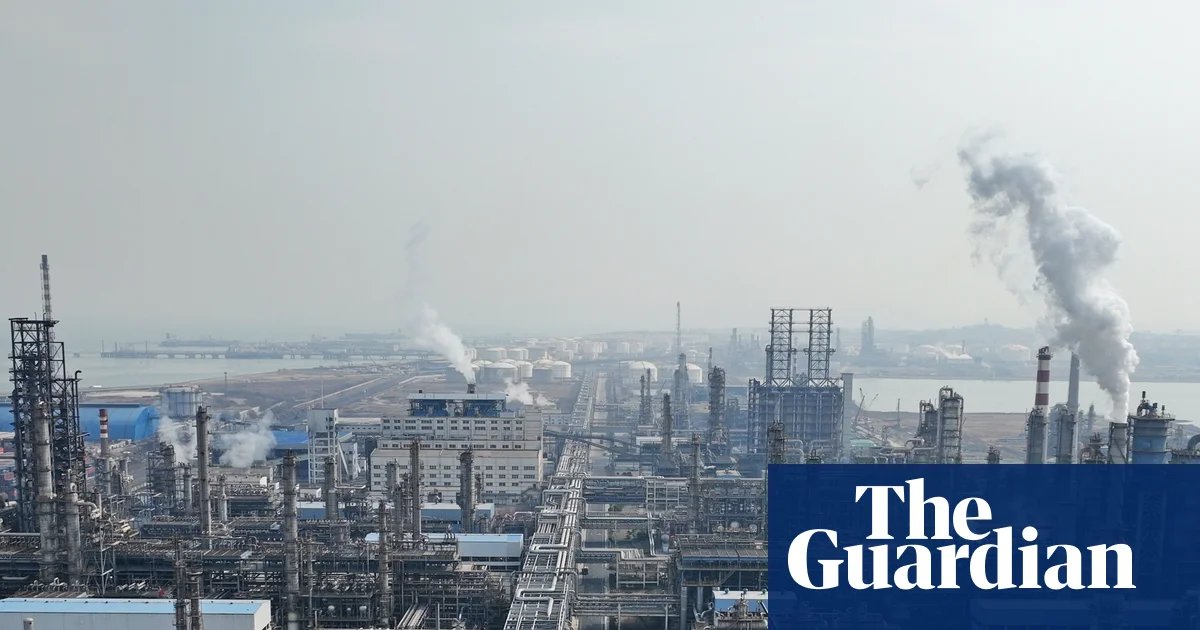
Energy Security Amidst Crisis: The Role of Shandong’s Teapot Refineries
As global energy crises reshape dynamics within the oil industry, the towns bolstering China’s energy security may appear surprisingly calm. Oil-laden trucks navigate expansive highways, where the sparse traffic hints at a community once vibrant. In the heart of this stillness lies a quaint noodle shop, where a handful of patrons, including a teacher glued to Douyin videos, populate an otherwise deserted lunchtime dining scene.
The shop’s owner, however, is unperturbed by the quiet. He shares that peak hours occur at midnight, as workers from the nearby oil refineries flood out after their shifts, highlighting the bustling pulse beneath the surface of this quiet town.
The Teapot Refinery Phenomenon
In Shandong Province, known for its vast oil-refining capabilities, the industry diverges from the dominance of large state-owned enterprises found elsewhere in China. Instead, it features a network of smaller independent refineries, referred to as “teapot” refineries due to their modest scale. Operating on narrow profit margins, these entities source budget-friendly crude oil to refine into gasoline and diesel for distribution to surrounding provinces. Collectively, these teapots supply approximately 25% of China’s refining capacity.
The significance of the oil refining sector has escalated amidst a global energy crisis, particularly affecting countries in Asia. In response to recent complications marked by school closures in Pakistan and a national emergency in the Philippines due to soaring prices, the stakes are higher now than ever.
Although oil represents a minor fraction of China’s overall energy portfolio, it remains crucial, especially for the transportation sector. Towns like Weifang are now vital to maintaining economic stability within the country.
Global Events and Local Impacts
The chaos that erupted following the US-Israel strikes on Iran on February 28 has had a profound impact on the Middle Eastern political landscape. Tehran’s control over the Strait of Hormuz, a critical channel for global oil and gas transport, poses additional challenges.
Interestingly, Iranian oil continues to reach global markets, predominantly directed towards China. Reports indicate China imports over 80% of Iranian crude, with current figures suggesting an average intake of around 1.6 million barrels daily—an increase from 1.4 million in the previous year. Analysts report no interruptions in these oil supplies despite the geopolitical tensions.
While China’s state-owned refiners proceed cautiously due to prior sanctions, the teapot refineries, focused on domestic production, demonstrate a fearless approach to procuring Iranian crude. This trend highlights a substantial shift in supply chains, with sanctions inadvertently promoting oil trade between Iran, Venezuela, Russia, and China.
The Strain of Increased Prices
The emergence of the energy crisis has directed attention to local petrol stations, such as one owned by a seasoned businessman in Weifang—affectionately known as Uncle Wang. He notes that while diesel and petrol availability has been consistent since the onset of the conflict, hefty price increases have severely constrained profit margins to the brink of profitability.
“It’s not that other countries can’t access oil, they just fear repercussions from [Donald] Trump. But China isn’t intimidated by that,” Uncle Wang asserts, demonstrating the unique position of Chinese operations amidst international complexities. A striking jade frog figurine in his office symbolizes his hopeful outlook amid adversity.
As global demand for oil rises and the US has eased sanctions on Iranian and Russian oil, the pressure mounts for Shandong’s teapot refineries, driving raw material costs significantly higher. Data indicates that the pricing gap for Iranian light crude in relation to Brent crude has narrowed from $11 to as little as $2, an alarming development as overall prices surge.
One employee at a leading teapot refinery voiced concerns over the implications of the ongoing conflict: “Profits were reasonable before the war began, but now the spike in crude prices has deterred clients from purchasing as much as they did.” He anticipates his monthly salary may dip from 5,000 yuan to around 4,000 yuan due to diminishing business.
Furthermore, companies like Luqing Petrochemical, employing thousands and previously targeted by sanctions, are also tightening belts, resulting in energy cuts for employees. As fears of further cuts loom, the consequences of the crisis are evident among workers who once enjoyed stable employment conditions.
Meanwhile, the looming economic tension is already manifesting in consumer markets. Recently, the government acted to mitigate increases in fuel prices, a move prompting citizens to fill their tanks hurriedly, showcasing just how significant these issues have become.
As Shandong navigates these turbulent waters, the future of its teapot refineries remains uncertain. Continued price escalation could jeopardize their survival amidst growing economic concerns, including a shift away from fossil fuels towards electric vehicles—a change Uncle Wang identifies as a more formidable challenge than international crises.
- Shandong’s independent teapot refineries play a crucial role in China’s energy supply.
- Geopolitical events have led to increased reliance on Iranian crude oil by Chinese refiners.
- Local petrol stations are feeling the financial strain from rising oil prices and declining profits.
- The transition to electric vehicles poses a long-term threat to traditional fuel operators.