

China Introduces New Laws to Strengthen Ethnic Unity and Standardized Language
China is taking significant steps to enhance ethnic cohesion and enforce the use of its official language, mandating legal consequences for those who impede its use. This move is aligned with broader national security objectives.
Legislation in Focus
Recently, a draft titled the Law on Promoting Ethnic Unity and Progress was reviewed for the second time by the Standing Committee of the National People’s Congress (NPC), the nation’s highest legislative body. This draft is currently under public consultation, which will remain open until January 25.
Additionally, the first amendments to the Law on the Standard Spoken and Written Chinese Language in 25 years were officially passed over the weekend, with an effective date set for New Year’s Day.
Motives Behind the Legislative Changes
These new regulations are aimed at cultivating “a strong sense of community for the Chinese nation,” a concept heavily promoted by President Xi Jinping. Officials believe that advancing social cohesion and fostering shared cultural values are vital to national harmony.
Legislators assert that a uniform language is essential for promoting national unity, bolstering economic development, and ensuring stability in ethnically diverse areas of the country.
International Concerns
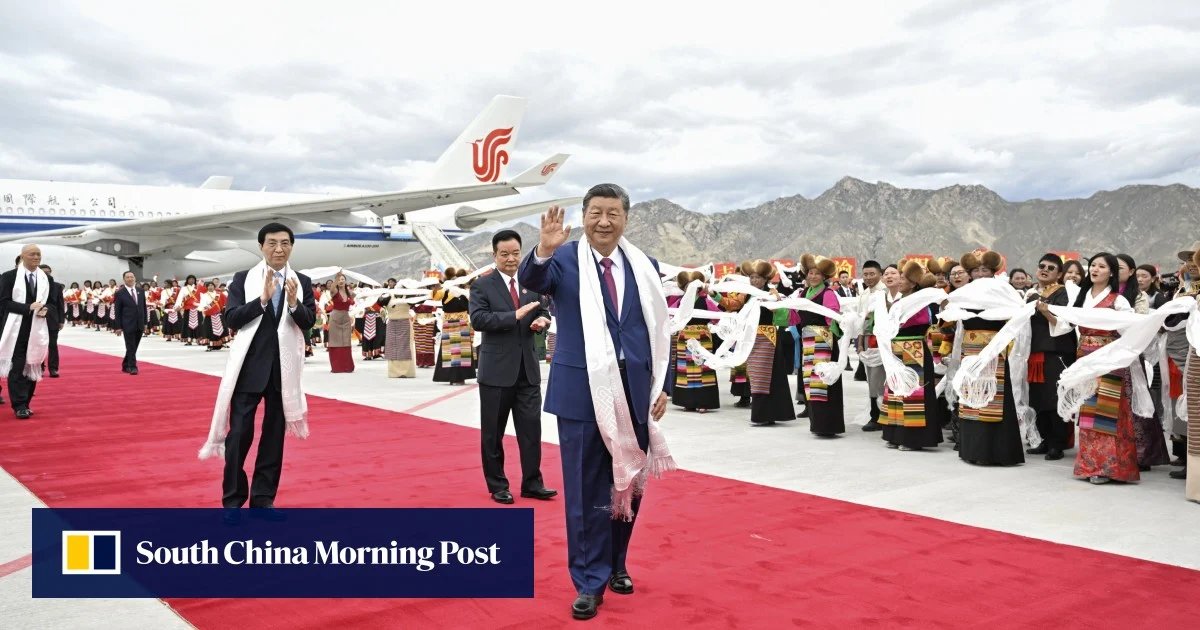
The introduction of these laws comes during a time of rising international scrutiny regarding China’s treatment of ethnic minorities, particularly in regions like Tibet and Xinjiang. Critics express concerns that such policies may jeopardize local languages and cultural identities.
- New legislation aims to promote ethnic unity and standardize the Chinese language.
- Public consultation for the draft law is open until January 25.
- Amendments to the Chinese language law are the first in 25 years and take effect on New Year’s Day.
- International observers are raising concerns about the impact on ethnic minorities and local cultures.