

A Holiday Return: The Struggles of Venezuelan Immigrants
This holiday season has turned out to be quite different for Mariela Gomez and countless Venezuelan immigrants in the United States. With Donald Trump back in office as of January, many dreams in pursuit of a better life have been dashed, leading Gomez to spend Christmas in northern Venezuela this year—a significant shift after eight years abroad.
Rediscovering Holiday Traditions Amid Hardships
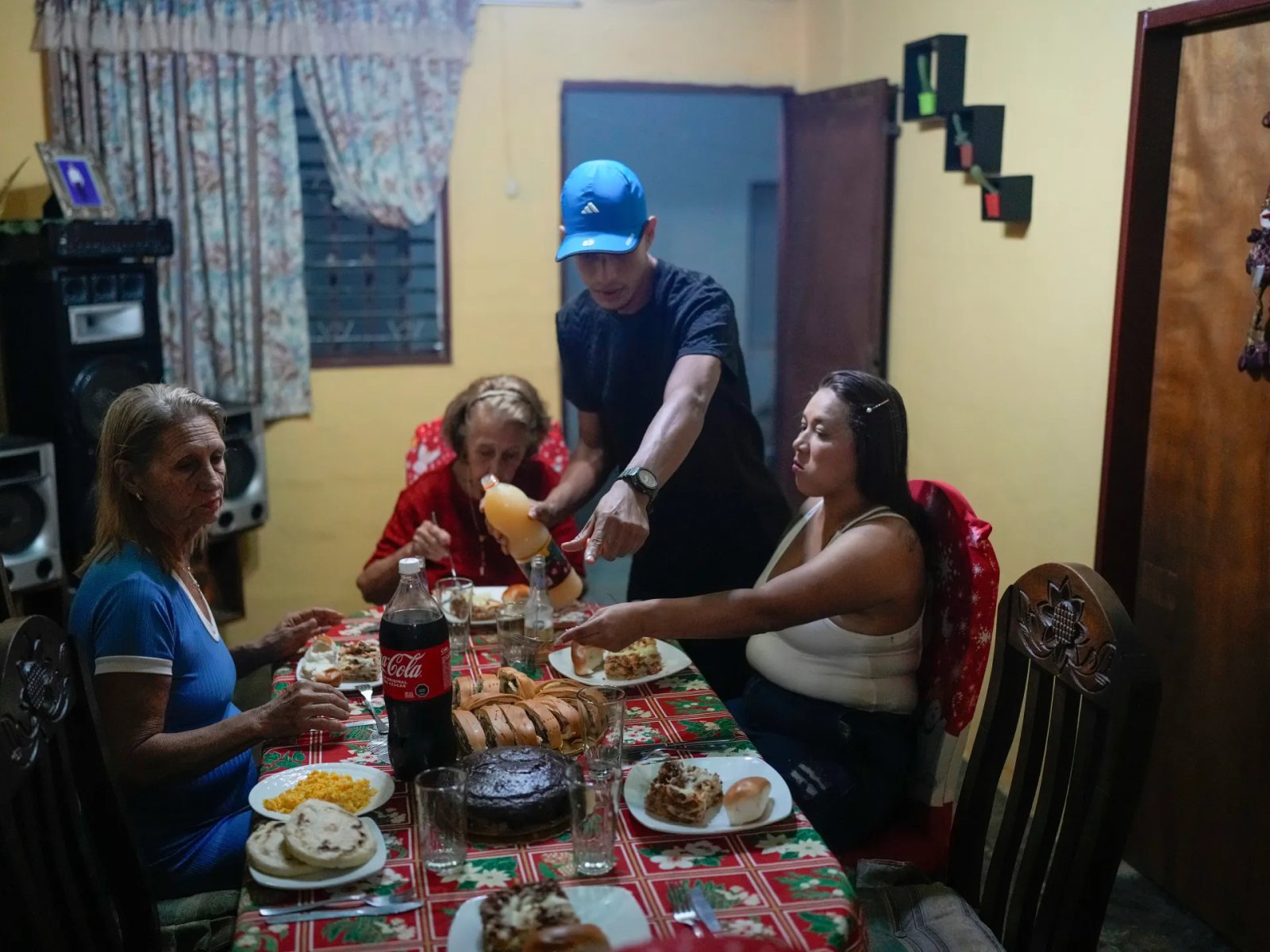
Amidst the celebrations, Gomez tried to capture the festive spirit. She dressed up, prepared a meal, and even surprised her son with a scooter, all while maintaining a cheerful demeanor for her in-laws. However, the underlying issues of unemployment and poverty loomed overhead.
“We had a modest dinner, not quite what we’d hoped for, but at least we had food on the table,” Gomez reflected. “We shared a lasagne-like dish instead of the traditional hallacas because making those is quite expensive, especially since we are unemployed.”
The Journey Back to Venezuela
Gomez, along with her sons and partner, returned to Maracay on October 27 after bravely crossing the U.S.-Mexico border. Unfortunately, they were quickly apprehended by the U.S. Border Patrol as part of the stricter immigration policies enforced during Trump’s administration, leading to their deportation to Mexico. This triggered a dangerous and arduous journey back to Venezuela.
Traveling through Central America by bus was only the beginning. Upon reaching Panama, the family found themselves unable to afford a boat to Colombia. Instead, they opted for a riskier alternative, navigating the turbulent waters of the Pacific on a cargo boat, perched atop sloshing fuel tanks for hours. After that, they switched to a fast boat, finally arriving in a secluded region of Colombia. They spent nearly two weeks there awaiting funds to help them reach the Venezuelan border.
The Impact of Economic Crisis and Migration Policies
Gomez is just one of over 7.7 million Venezuelans who have left their homeland over the past decade, fleeing a crisis fueled by plummeting oil prices, widespread corruption, and poor governance. After years of living in Colombia and Peru, she had aimed for a new life in the United States.
However, Trump’s administration’s second term has altered that trajectory. By September, it was reported that more than 14,000 migrants, predominantly Venezuelans, had made their way back to South America since he took measures to restrict immigration. This year has also seen a significant uptick in the deportation of Venezuelans. Under pressure from the U.S. government, Venezuelan President Nicolas Maduro reversed his previous stance and resumed accepting deportees.
Family Connections Amid Uncertainty
Returning to Venezuela allowed Gomez to reconnect with her now-adult daughter, whom she left behind during her previous exodus from the country. During the holiday, they shared drinks and laughter, cherishing their time together, fully aware that it may be their last moment like this for a while—Gomez’s daughter is planning to migrate to Brazil next month.
As the New Year approaches, Gomez is hopeful. She dreams of preparing hallacas for the celebrations and is actively seeking employment. More importantly, her aspirations for the coming year center around one key desire.
“I ask God for many things, primarily for life and health, so that we can continue to enjoy our family,” she expressed.
Key Takeaways
- Mariela Gomez’s holiday experience signifies the challenges faced by many Venezuelan immigrants.
- Economic hardship has forced families to rethink their traditions, focusing on basic sustenance over festive meals.
- The Trump administration’s policies have resulted in increased deportations and altered the migration landscape for Venezuelans.
- Reconnections with family highlight both the strength and struggles of the immigrant experience during the holiday season.