

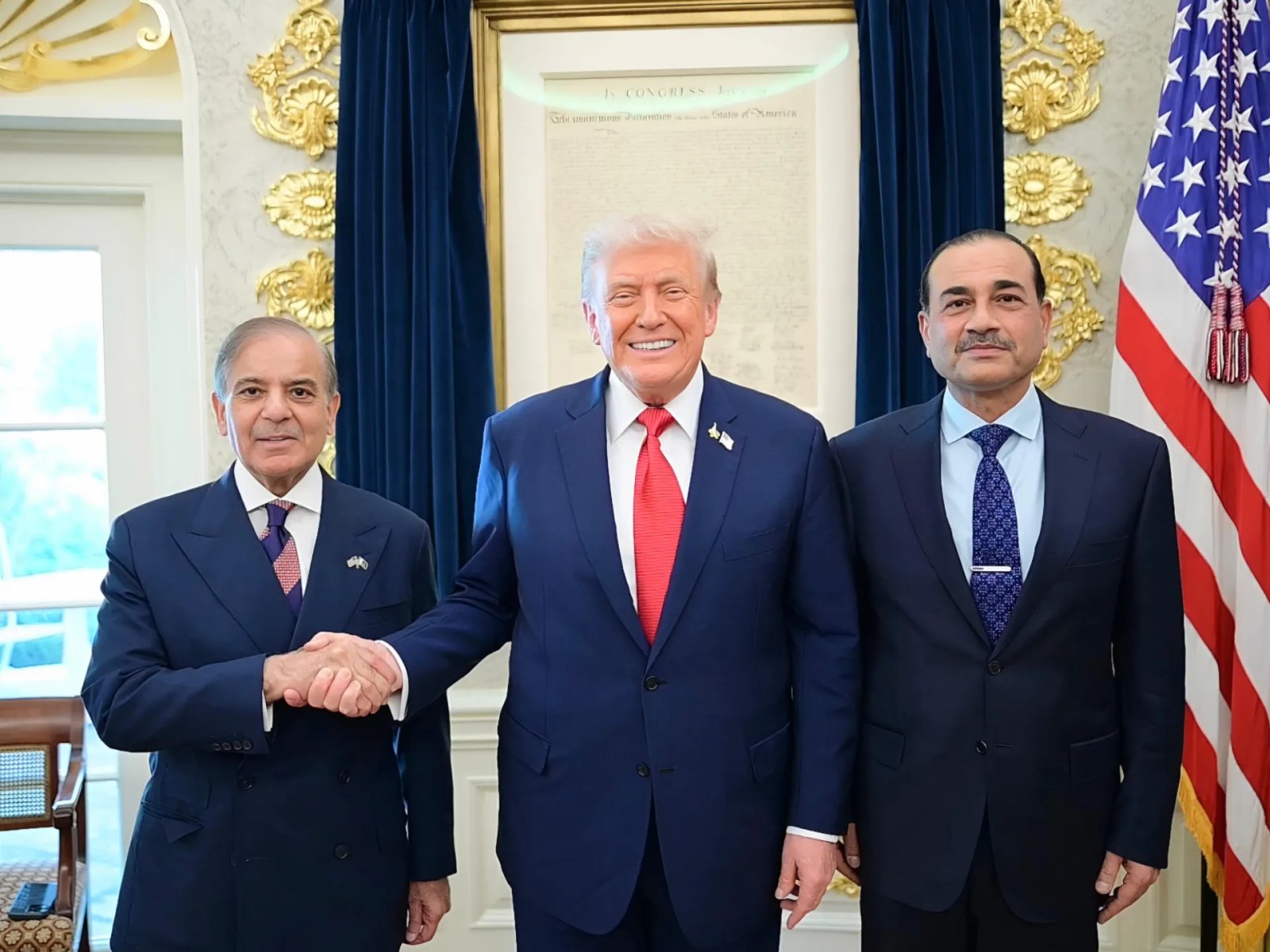
Pakistan’s Geopolitical Shift: The Role of Asim Munir
In recent years, Pakistan has witnessed significant changes in its diplomatic landscape, particularly in relation to the United States. The focus has centered on the role of Field Marshal Asim Munir, whose influence has propelled Pakistan back into the international spotlight. This article explores the evolving dynamics between Pakistan and the U.S., especially as they relate to ongoing conflicts and strategic partnerships.
Trump’s Praise for Pakistan’s Military Leadership
During a news conference held at Mar-a-Lago in December, former President Donald Trump stated, “We have stopped eight wars,” while discussing the implications of Russia’s ongoing conflict with Ukraine. Trump claimed that his past efforts helped prevent a nuclear conflict between India and Pakistan, suggesting that he could similarly resolve the crisis in Ukraine.
“The head of Pakistan and a highly respected general—he is a field marshal—said that President Trump saved 10 million lives, maybe more,” he remarked, highlighting his admiration for Munir. Trump’s public support for Munir has been a recurring theme since his return to office, emphasizing a newfound appreciation for Pakistan’s military leadership.
The Importance of Munir
Analysts believe that Munir has become a crucial figure in reshaping Pakistan’s geopolitical stance since he has helped enhance the country’s diplomatic profile. Trump’s acknowledgement of Munir as “my favorite field marshal” during various speeches underscores the growing relationship between the U.S. and Pakistan, particularly following Munir’s rise to prominence during pivotal moments.
The 2025 Conflict with India
In May 2025, a significant conflict erupted between India and Pakistan, driven by heightened tensions following an attack in Kashmir. As both countries engaged in airstrikes and military actions, Pakistan’s robust response—including claims of downing Indian aircraft—elevated Munir’s status as a key military and diplomatic leader.
The conflict ended through intense diplomatic efforts, particularly those involving the U.S., ultimately resulting in a ceasefire. This pivotal event has been characterized by experts as a major turning point in U.S.-Pakistan relations, allowing Munir to leverage the situation for broader geopolitical gains.
A Shift in U.S.-Pakistan Relations
Historically, the U.S.-Pakistan relationship has been fraught with challenges, notably following accusations of Pakistan’s duplicity in the U.S. “war on terror.” However, under Trump’s administration, a shift has occurred, as he has openly expressed gratitude towards Pakistan for its role in counterterrorism efforts.
This rekindling of ties can be attributed, in part, to Munir’s diplomatic skills, which have positioned Pakistan as a valuable ally, especially in the context of U.S. interests in countering terrorism.
The Role of the Military in Pakistan’s Politics
Since its independence in 1947, Pakistan’s military has played a dominant role in governance. Munir’s recent elevation to field marshal was complemented by the establishment of the Chief of Defence Forces (CDF) position, enhancing military authority over various branches of Pakistan’s armed services.
This concentrated power has received criticism; however, it has also been viewed as a necessary step for military reform and improved cohesion within the armed forces.
Recent Diplomatic Endeavors
As Pakistan’s international presence grows, relations with neighboring countries are also evolving. Engagements with Central Asian nations, the Middle East, and recent triumphs in negotiations demonstrate Munir’s proactive approach to reestablishing Pakistan as a key player on the global stage.
Moreover, Trump’s administration has recognized Munir’s role and the importance of Pakistan in dark periods of regional conflict. Meetings with leaders from diverse countries have further solidified this newfound diplomatic momentum.
Balancing Domestic and International Issues
Despite its rising diplomatic standing, Pakistan faces significant domestic challenges, including increased violence and political unrest. Observers argue that as Pakistan navigates the complexities of international relations, issues like civil liberties and democratic governance have increasingly taken a backseat.
Critics caution against equating diplomatic success with stability, urging that a sustainable political framework is crucial for Pakistan’s future.
Conclusion
Asim Munir’s ascent has not only reshaped Pakistan’s military strategy but has also revived its diplomatic relevance on a global scale. While the relationship with the U.S. has strengthened, the underlying domestic challenges present ongoing risks that must be addressed for lasting improvement in both governance and international status.
- Asim Munir has emerged as a pivotal figure in Pakistan’s geopolitical landscape, enhancing its diplomatic ties with the U.S.
- The May 2025 conflict with India served as a catalyst for bolstered international relations.
- Trump’s administration has notably shifted towards a more supportive stance regarding Pakistan’s military leadership.
- Despite diplomatic gains, Pakistan continues to grapple with significant domestic political issues—highlighting the complexities of governance.