

Market Reactions Amid Iran’s Threats to Energy Infrastructure
Stock markets across the Asia Pacific region have experienced significant declines as tensions rise in the Middle East. Following a stern warning from US President Donald Trump for Iran to reopen the Strait of Hormuz, major indexes in Japan, South Korea, and Hong Kong registered sharp drops. In this article, we’ll explore the market impact of these geopolitical developments and the potential implications for global energy supplies.
Market Declines across Key Indices
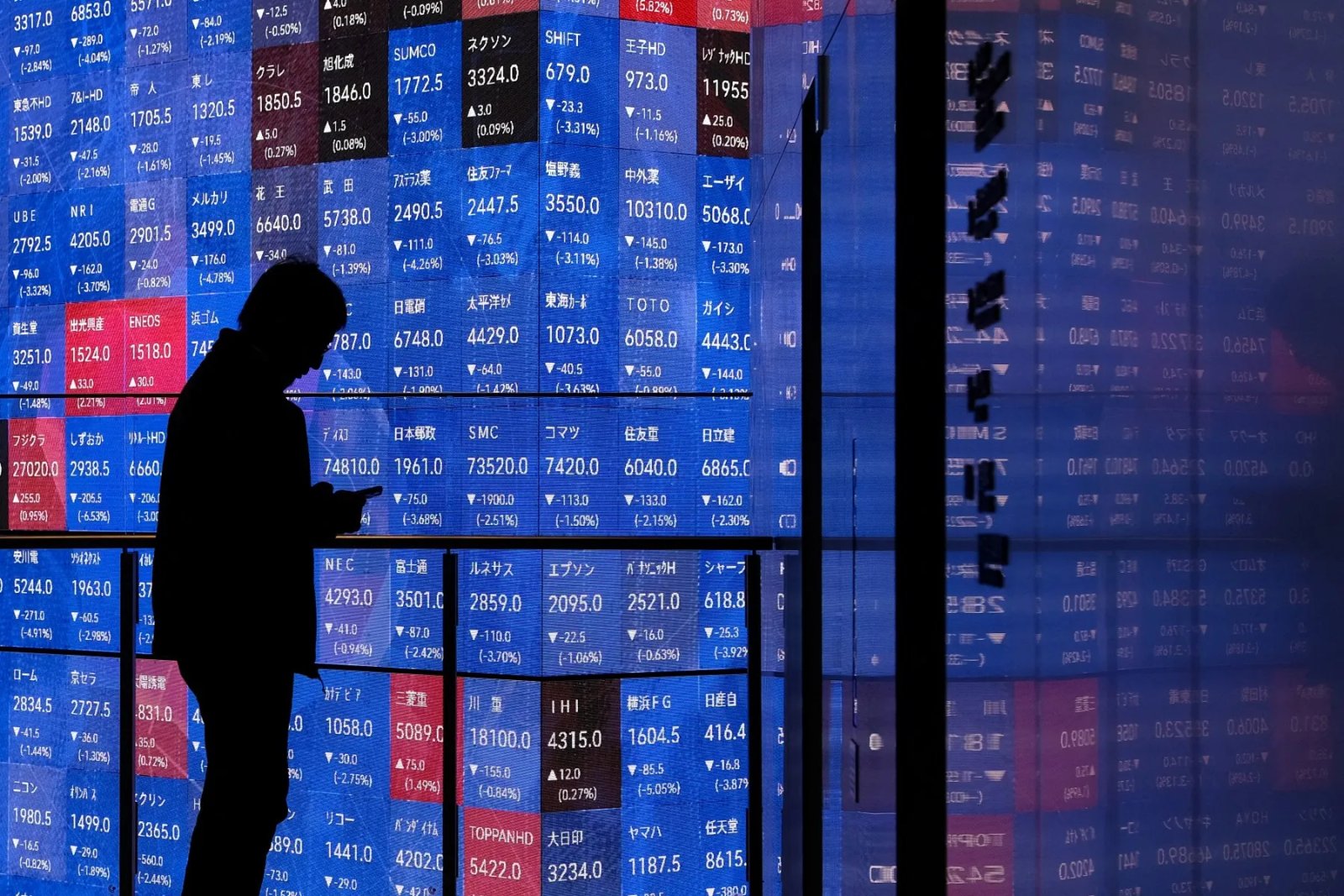
In early trading on Monday, Japan’s prominent Nikkei 225 index fell by 4 percent, while South Korea’s KOSPI experienced a drop of 4.5 percent. In Hong Kong, the Hang Seng Index declined approximately 2 percent. Australia’s ASX 200 was down around 1.6 percent, and New Zealand’s NZX 50 saw a decrease of about 1.3 percent.
Meanwhile, futures for Wall Street registered moderate losses, with contracts for the S&P 500 and Nasdaq Composite both slipping by around 0.5 percent.
Oil Prices Volatile Amid Geopolitical Uncertainty
Oil markets have remained volatile due to fears surrounding possible disruptions in energy supplies. Futures for Brent crude, an international benchmark, climbed over 1.5 percent, reaching above $114 a barrel before retreating to approximately $112 as of 02:00 GMT. This fluctuation reflects the ongoing concerns regarding access to the Strait of Hormuz, a vital waterway for global oil transportation.
Trump’s Ultimatum to Iran
President Trump issued a stark warning to Iran, threatening to “obliterate” the nation’s power plants within 48 hours if Tehran does not cease its operational blockade of the Strait of Hormuz. Approximately one-fifth of the world’s oil and natural gas exports flow through this strategic route. In response, Iranian officials have threatened to close the strait entirely and conduct retaliatory strikes on energy and water infrastructure throughout the region.
The clock is ticking, as Trump’s ultimatum is expected to expire at 23:44 GMT on Monday, a deadline that heightens the sense of urgency surrounding the situation.
Broader Implications of Escalating Tensions
The heightened tensions in the Middle East come as the ongoing conflict, which began with US-Israeli airstrikes on February 28, approaches its one-month mark. The situation has already led to a remarkable increase in oil prices—over 50 percent—since the conflict began. Analysts predict that these prices could rise even further, with some forecasting oil could reach as high as $150 or even $200 a barrel if the Strait remains blocked.
On Sunday, Trump spoke with UK Prime Minister Keir Starmer to address the regional crisis and the implications of the Strait’s closure. Both leaders concurred that ensuring the strait is open is crucial for maintaining stability in the global energy market.
Amid these complex developments, Trump has delivered mixed messages regarding military objectives and the potential duration of the current operations. Just hours before his ultimatum, he hinted that the administration was close to achieving its aims and considering a reduction of military engagements with Iran. Meanwhile, Israeli military officials indicated they are prepared for at least three more weeks of conflict.
Conclusion
The recent stock market reactions serve as a reminder of how geopolitical tensions can swiftly influence global economies and energy prices. As the situation unfolds, both investors and consumers alike will be closely watching developments in the Middle East for signs of stabilization.
Key Takeaways
- Major indexes in Japan and South Korea experienced significant drops due to escalating tensions over the Strait of Hormuz.
- Oil prices remain volatile, with potential increases predicted if the situation does not stabilize.
- Trump’s ultimatum to Iran has raised fears of further military actions and energy supply disruptions.
- Global leaders emphasize the importance of keeping the Strait open to maintain market stability.