

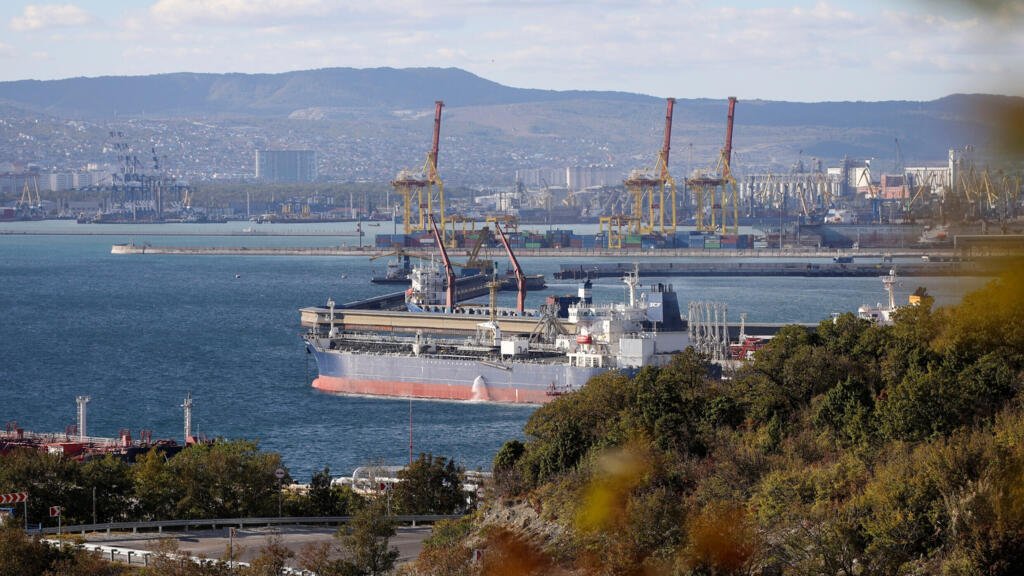
Russian Oil and Gas Revenue Declines Amid Ongoing Conflict
In 2025, revenue from Russian oil and gas plummeted by 20%, reaching its lowest level in five years. While Western sanctions have undeniably influenced this downturn, many analysts are skeptical about whether these financial struggles will shift Moscow’s unwavering resolve regarding its military operations in Ukraine.
The Impact of Sanctions
The imposition of sanctions has markedly affected Russia’s economy, particularly in the energy sector. These restrictions have limited Moscow’s ability to sell oil and gas on the global market, directly impacting its financial health.
Moscow’s Commitment to Its Objectives
Despite facing significant economic challenges, experts suggest that Russia’s strategy in Ukraine remains steadfast. The combination of financial woes and international pressure does not appear to have deterred the Kremlin from pursuing its goals.
Factors Behind Continued Military Action
Several reasons contribute to this sustained military commitment:
- National Pride: Russia views its actions as vital to its national interests, strengthening the resolve to continue its campaign.
- Military Infrastructure: The extensive resources invested in military operations provide a strong incentive to persist.
- Strategic Goals: Russia aims to achieve specific geopolitical outcomes that are perceived as essential for its future.
Conclusion
Despite a significant drop in oil and gas revenues, Russia’s commitment to its military efforts in Ukraine does not seem to waver. Economic pressures from Western sanctions continue to mount, yet they have yet to alter the Kremlin’s strategy significantly.
Key Takeaways
- Russian oil and gas revenues have decreased by 20% in 2025.
- Western sanctions play a crucial role in this revenue drop.
- Experts doubt that these economic challenges will derail Russia’s military ambitions in Ukraine.
- Factors such as national pride and military investments motivate continued military action.