

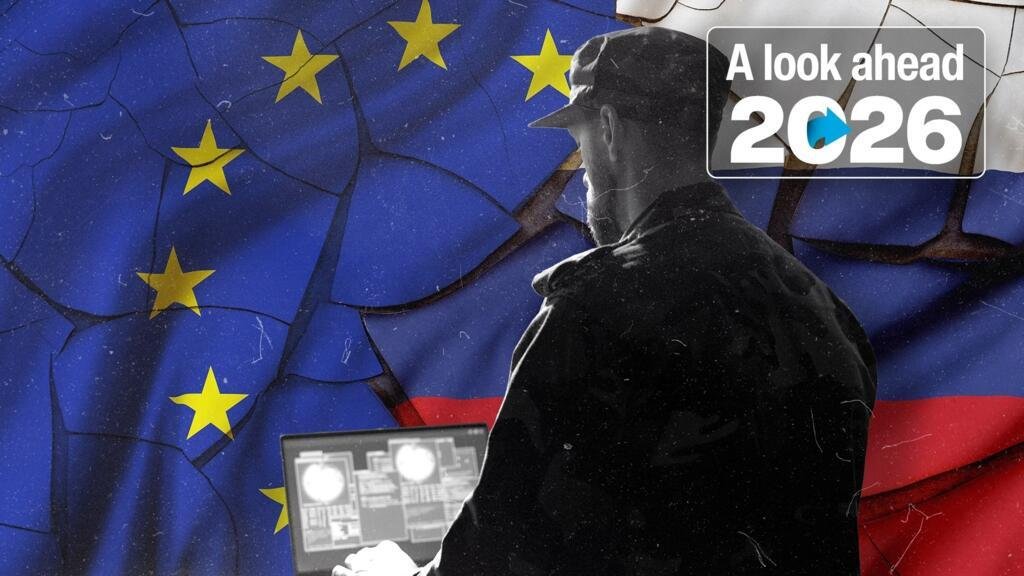
Hybrid Warfare and the Evolving Tactics of 2025
In 2025, European news was heavily influenced by hybrid warfare operations, ranging from sabotage and drone incursions to assassination attempts. Interestingly, while these incidents captured attention, there was a notable decrease in their frequency compared to the previous year. This raises an important question: Is this decline indicative of the Kremlin reassessing its tactics, or is it simply a strategic shift as we head into 2026?
The Landscape of Hybrid Warfare
Hybrid warfare blends conventional military tactics with unconventional methods, creating a complex battlefield where information, technology, and psychology play vital roles. In recent years, Europe has faced numerous incidents that exemplify this approach, each designed to destabilize and confuse.
Recent Incidents
Throughout 2025, several high-profile events caught the public’s eye:
- Sabotage Activities: Various facilities across Europe experienced systems disruptions that were clearly the result of targeted sabotage operations.
- Drone Incursions: The use of drones escalated, with unauthorized flights reported in sensitive airspace.
- Assassination Attempts: High-stakes political figures faced threats, prompting heightened security measures.
Analyzing the Decline in Incidents
The reduction in the number of hybrid warfare incidents raises several critical points for analysis:
Tactical Pause or Strategic Shift?
The decrease in incidents could suggest a tactical pause by the Kremlin. This means that rather than abandoning hybrid tactics, there might be a calculated decision to pause, reassess, and plan for future operations more effectively. Alternatively, it may signify a change in strategy aimed at employing different methods or focusing on less overt operations.
Preparing for the Future
As Europe navigates this period of apparent calm, there remains a persistent concern about what lies ahead. With 2026 on the horizon, nations may need to remain vigilant, reassessing their defenses and strategies in the face of potential new tactics.
Conclusion
The landscape of hybrid warfare in Europe is in flux. While the decrease in incidents may initially appear as a sign of relief, it prompts deeper inquiries into the underlying strategies of nations involved. Understanding these dynamics will be crucial in preparing for any future developments in hybrid warfare.
Key Takeaways
- Hybrid warfare incidents decreased in 2025, raising questions about Kremlin strategy.
- The decline may indicate a tactical pause rather than an end to hybrid operations.
- Europe must remain vigilant as new tactics could emerge in 2026.
- Monitoring developments can help nations enhance their defenses against potential threats.