

Algeria Declares French Colonialism a Crime
In a historic moment for Algeria, the country’s parliament has unanimously approved a law labeling France’s colonization as a crime, while also calling for apologies and reparations. This legislation represents a significant development in the already tense diplomatic relationship between Algeria and France, with observers noting that relations may be at their lowest point since Algeria gained independence over 63 years ago.
The Dark History of Colonial Rule
Between 1830 and 1962, Algeria endured French colonial rule that was characterized by mass violence, widespread deportations, and a turbulent war for independence. Algeria claims this brutal conflict resulted in the loss of approximately 1.5 million lives, though French historians estimate the toll to be significantly lower.
Legislative Actions and National Sentiment
During the parliamentary vote, lawmakers displayed their national pride by wearing scarves reflecting the colors of the Algerian flag, chanting “long live Algeria” as they celebrated the bill’s successful passage. According to reports, the legislation underscores France’s “legal responsibility” for the tragedies that transpired and asserts that “full and fair” compensation is an “inalienable right of the Algerian state and people.”
Calls for Restitution
Although President Emmanuel Macron has acknowledged that the colonization was a “crime against humanity,” he has refrained from issuing a formal apology. France has not yet responded to the recent legislative vote. This development emerges amidst increasing calls for Western nations to provide reparations for historical wrongs, including slavery and colonialism, alongside demands to return looted artifacts housed in museums.
Demand for Cultural Artifacts
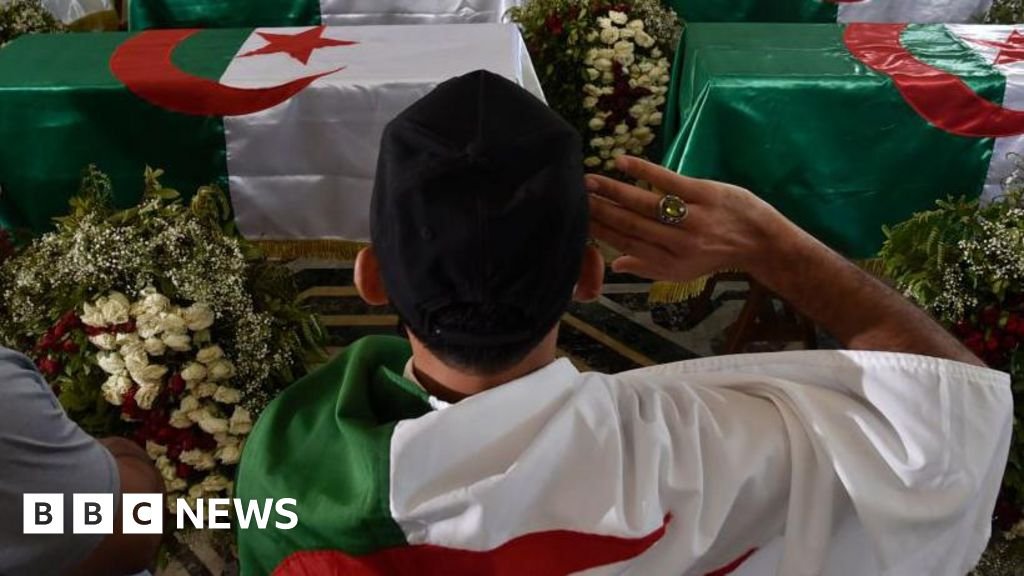
One notable demand from Algerian lawmakers is for France to return a 16th-century bronze cannon, known as Baba Merzoug, which was historically significant to Algiers. The cannon was taken by French forces during their conquest of the city in 1830 and is currently housed in Brest, France. In a related note, France did return the remains of 24 Algerian fighters who lost their lives resisting French colonialism as recently as 2020.
Recent Diplomatic Developments
Last month, Algeria hosted a conference focused on justice and reparations for African states. Foreign Minister Ahmed Attaf emphasized that there must be a legal framework to ensure that restitution is viewed as a right rather than a mere gesture of goodwill.
Souring Relations
Relations between Algeria and France further deteriorated last year when Macron acknowledged Morocco’s claim over Western Sahara, supporting limited autonomy for the disputed region, which Algeria opposes. The situation intensified with the arrest of French-Algerian novelist Boualem Sansal, who faced charges undermining national security due to his comments questioning Algeria’s borders.
Conclusion
The unanimous passage of this law signifies a pivotal moment in Algeria’s ongoing efforts to confront its colonial past and seek justice. As diplomatic relations remain fragile, the demand for reparations and acknowledgment of historical wrongs continues to shape discussions between the two nations.
Key Takeaways:
- Algeria’s parliament has declared French colonization a crime and called for reparations.
- The law assigns legal responsibility to France for historical tragedies.
- Demands for the return of cultural artifacts like the Baba Merzoug cannon are growing.
- Diplomatic ties between Algeria and France are at a low point, impacted by various political events.