

The Selective Outrage Surrounding Alaa Abdelfattah
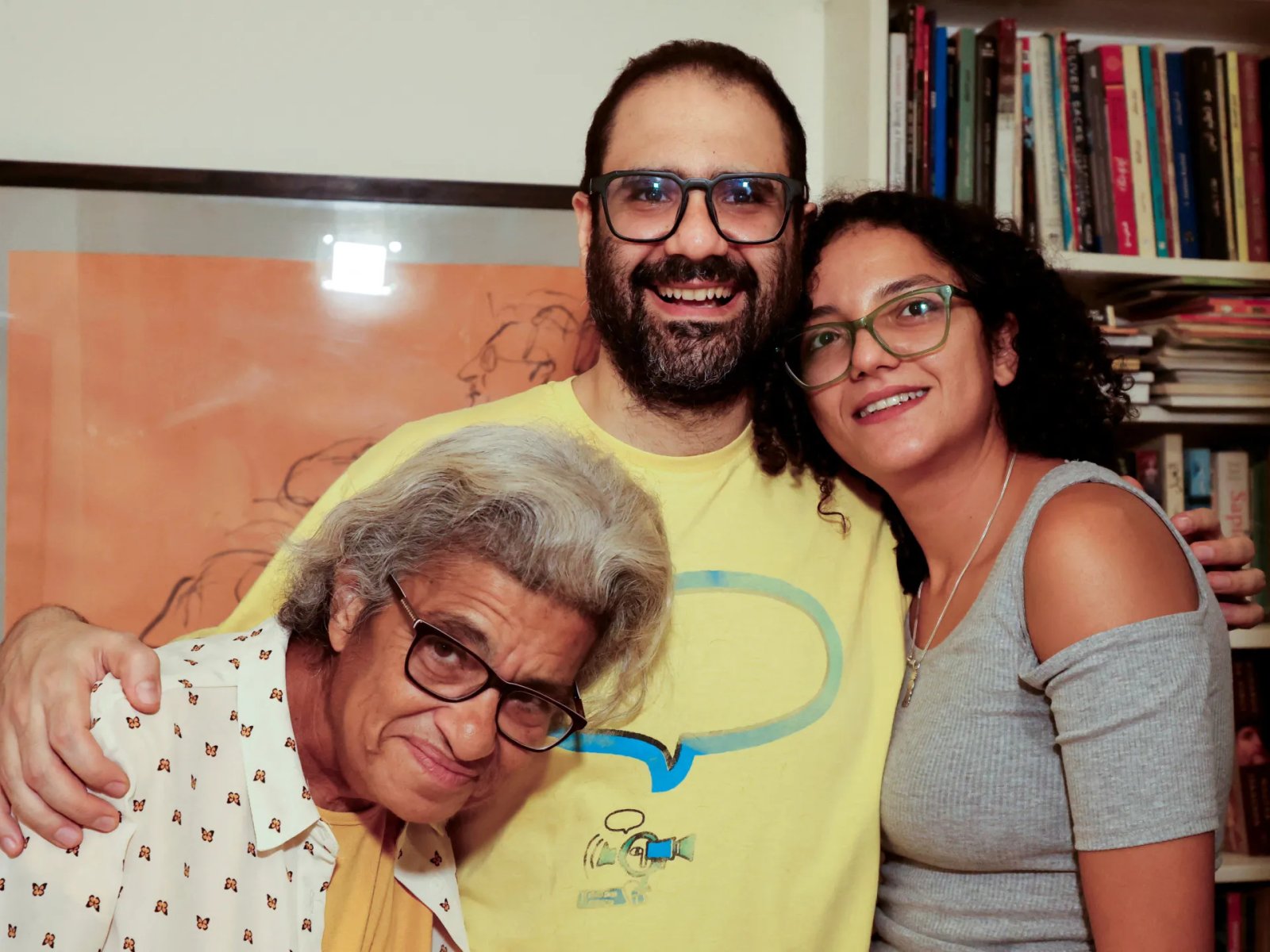
The recent backlash against Alaa Abdelfattah in the UK is quite remarkable—not for the newfound concern for justice it portrays, but for how it highlights a troubling pattern of selective outrage. Alaa, an Egyptian-British writer and activist, endured over a decade of imprisonment in Egypt following the 2011 uprising that removed President Hosni Mubarak. His time in custody was marred by extensive hunger strikes, deprivation of basic rights, and treatment deemed cruel and demeaning by human rights organizations. On September 23, after years of tireless efforts from his mother, sister, and close friends, he was finally released. Just this month, the travel ban against him was lifted, allowing him to reunite with his family in the UK on December 26.
Public Hostility in a New Home
Upon his arrival in London, Alaa faced unexpected hostility, being met with public calls for the revocation of his British citizenship and his deportation. This backlash was sparked by the resurfacing of a 2010 social media post where Alaa described considering “killing any colonialists … heroic,” including references to Zionists. Following the revelation of this tweet, there were swift condemnations, and the matter was referred to counter-terrorism authorities for review, all while political figures clamored for punitive actions against him.
A Contrasting Response to Greater Crimes
This rapid and intense reaction starkly contrasts with the silence that envelops far graver actions that the UK, in fact, tolerates and even supports. While Alaa’s words face intense scrutiny, the UK continues to welcome senior Israeli officials linked to severe human rights violations and accusations of genocide. For instance, in July, Tomer Bar, Israel’s air force chief responsible for extensive bombings in Gaza, was granted immunity from arrest while visiting the UK, allowing him to evade accountability for war crimes.
Notably, Israeli President Isaac Herzog visited the UK in September for high-level meetings. Herzog, who previously claimed that an entire nation of Palestinians is culpable, has made inflammatory statements that bolster arguments of genocide against Israel at international courts. Yet, he was welcomed without issues, raising questions about the lack of outrage from those who criticize Alaa’s past remarks.
Disregard for Other Violations
The public response lacks the same vigor for British citizens who have gone to fight in the Israeli military or those involved during ongoing offensives against Gaza—offenses that the UN and various human rights organizations attribute tens of thousands of civilian casualties to, alongside massive destruction of vital infrastructure. Despite comprehensive evidence of war crimes, British authorities have not investigated whether its nationals participated in these violations, showcasing minimal sustained outrage.
Moreover, the UK’s ongoing arms exports to Israel, coupled with political and military cooperation, persist even when global organizations warn of dire humanitarian impacts. This contradiction plays out with minimal political consequences.
A Deeper Reflection on Outrage
The scenario reflects a deeper issue: a hierarchy of outrage where dissent is penalized while state violence remains unchecked. Alaa’s situation illustrates how moral language is often wielded selectively—not to curb impunity but to divert discomfort. This disparity erodes the credibility of the principles that the UK claims to champion. When human rights are upheld only in select instances, they transform into mere instruments rather than universal values.
Similarly, inconsistency breeds performative outrage, while powerful allies face no repercussions. Advocates for this approach often cite “quiet diplomacy,” asserting that restraint yields better results than confrontation. However, there is scant evidence showing that silence leads to accountability for either Alaa or the civilians in Gaza facing violence.
Calls for Change
The UK has the capacity to adopt a different stance: suspending arms exports, investigating potential crimes committed by its citizens, conditioning partnerships on adherence to international law, and limiting visits by officials involved in significant abuses. The fact that these measures remain largely unused speaks volumes and indicates that until substantial change occurs, outrage will continue to be selective, accountability will stay conditional, and impunity will thrive—further widening the discrepancy between the UK’s professed ideals and the violence it allows to persist.
Conclusion
In summary, the case of Alaa Abdelfattah serves as a powerful reminder of the discrepancies in how outrage is expressed and the principles that underpin justice in the UK. By failing to hold its allies accountable for their actions, the UK risks impairing its own moral standing on the global stage.
- Alaa Abdelfattah’s struggle highlights the issues of selective outrage in the UK.
- The rapid backlash against Alaa’s past statements diverges from the silence on larger human rights violations.
- The UK tolerates significant abuses while penalizing dissenting voices.
- Calls for accountability and a reevaluation of foreign relations remain crucial for justice.