

The Controversy Surrounding the Bendigo-Ophir Goldmine Project in Central Otago
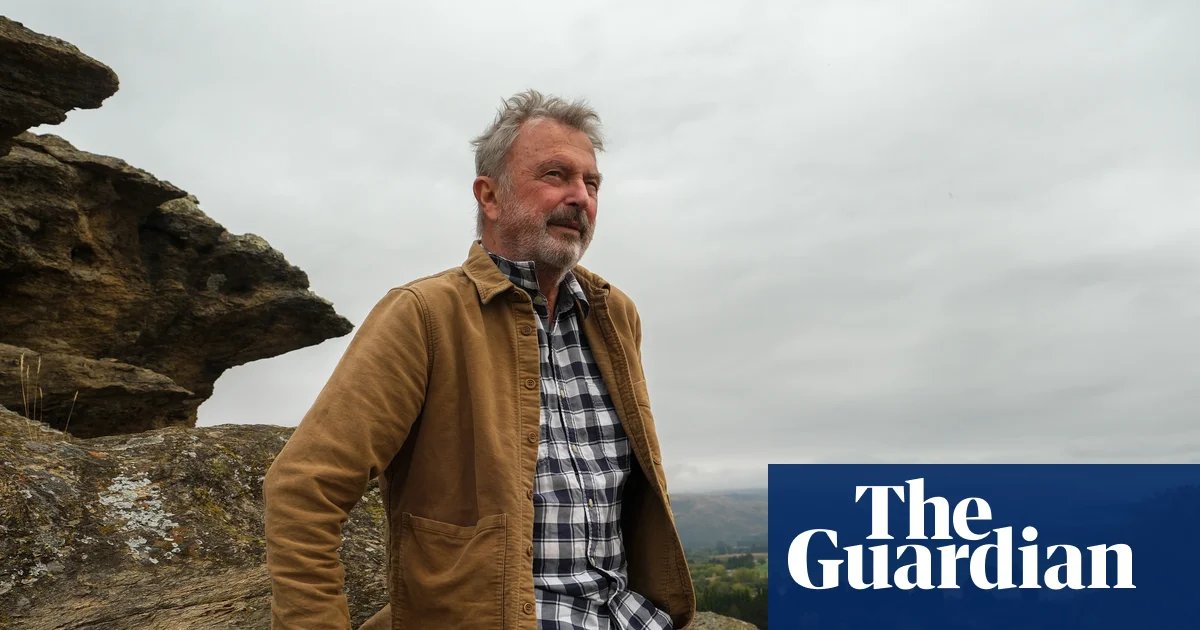
As autumn unfolds in Central Otago, the lush grapevines of actor and winemaker Sam Neill’s vineyard are heavy with nearly ripe pinot noir grapes. This stunning region, renowned for its breathtaking hills and exquisite wines, is grappling with a controversial proposition that could drastically alter its landscape—a proposed goldmine that has sparked intense debate within the community.
A Land Tied to Its Heritage
Sam Neill, a celebrated figure both on screen and in the vineyard, has deep roots in this land, stating, “My family has been here for over 150 years. I’m connected to this land like nowhere else on earth.” Yet, the tranquility of this remarkable area faces a significant threat from a development pushed by the mining company Santana Minerals. The company has set its sights on the Dunstan Mountains, where they aim to establish a 1,000-meter by 850-meter open-cast goldmine dubbed Bendigo-Ophir. Their goal? To tap into an estimated $6.75 billion in gold deposits, applying for governmental consent in November.
A Divisive Issue
Located just 20 kilometers north of Cromwell, Bendigo-Ophir is touted by proponents as one of the significant gold discoveries in decades. However, the proposal has ignited a fierce division among local communities.
Environmental group Sustainable Tarras opposes the mine, viewing it as a hastily made decision that threatens to harm both the natural environment and tourism, crucial pillars of New Zealand’s wine-producing reputation. They caution that this project could endanger up to 650,000 native lizards—a claim disputed by the mining company.
The Environmental Debate
The aftermath of COVID-19 has revealed two contrasting New Zealands: one that showcases stunning landscapes attracting global tourists and another where rapid developments are prioritized at the potential expense of the environment. Critics warn that the Bendigo-Ophir goldmine could compromise the region’s tourism appeal and soil the pristine image the country has cultivated as “clean” and “green.”
Neill stands firmly against the mine, emphasizing, “I’m not against mining. I’m against this mine.” Having cultivated his vineyard under the Two Paddocks label for three decades, he voices his concern about how widespread mining activities could diminish the area’s natural beauty.
Fast-Tracked Developments and Local Perspectives
The Bendigo-Ophir project is one among many applications being assessed under New Zealand’s fast-track law—an initiative aimed at expediting significant projects to stimulate the economy. Proponents, including Resources Minister Shane Jones, argue that the mine could create hundreds of jobs and boost local employment.
However, local residents are divided. Mark Davidson, a lifelong local resident who has seen neighbors leave for brighter prospects abroad, believes the mine could provide essential economic opportunities, stating, “It’s getting harder and harder to put a deposit on a house.” He adds that he believes most locals support the mine due to the potential jobs it may create.
Assessing Environmental Risks
Concerns about environmental isolation persist, particularly regarding the tailings dam intended to hold toxic waste, which has a history of causing disasters in poorly managed mining operations. Prominent Māori businessman Ian Taylor has raised alarm about the risks associated with the dam, especially in a seismically active area. He argues that the potential consequences could outlast the mining company itself.
In defense, Santana Minerals maintains that their plans for the dam are designed to withstand severe seismic events. The company also asserts that their operations will not negatively affect tourism and promises investment in local wildlife sanctuaries to offset environmental damages.
Community Voices and the Road Ahead
As the mining discourse unfolds, local business owners like Hayden Johnston express unease about the potential impact on the wine industry. Johnston points to the sustainability of grape growing compared to the environmental toll of gold mining, stating, “Gold is a one-off. You crush the land and leave a toxic legacy.”
Amidst the conflicting narratives, the proposed mine’s approval is anticipated by year-end. Sam Neill articulates a powerful message of stewardship, invoking the Māori concept of kaitiakitanga, which urges custodianship of the land for future generations. “It comes with a responsibility, and you need to leave the land better than you found it,” he stresses.
Conclusion
The Bendigo-Ophir goldmine controversy epitomizes the tension between economic development and environmental conservation. As Central Otago grapples with this pivotal decision, it reflects broader global challenges—a struggle to balance progress while safeguarding the natural world.
- Sam Neill’s vineyard in Central Otago faces potential disruption from the proposed Bendigo-Ophir goldmine.
- The initiative has sparked intense debate over environmental risks versus local economic benefits.
- Opponents argue the mine could compromise the region’s tourism and threaten native wildlife.
- A decision on the mine’s approval is expected by the end of the year, highlighting the clash between industrial growth and conservation efforts.