

The Haunting Echoes of Fire: Lessons from Tragedy
In a chilling reminder of the fragility of life, tragic incidents at The Station nightclub in Rhode Island and Le Constellation bar in Switzerland expose the catastrophic potential of fire in crowded venues. Both disasters highlight the critical need for fire safety awareness and preparedness.
A Night of Celebration Turns to Despair
In 2003, Gina Russo was eagerly watching a performance by the 80s hair-rock band Great White with her fiancé, Fred Crisostomi. However, the electrifying atmosphere quickly spiraled into chaos as their performance kicked off with a volley of pyrotechnics that set the club alight. “It happened so fast,” recalls Gina. “The flames were instant.”
The Heart-stopping Moments
As the venue filled with thick smoke and chaos ensued, Gina and Fred attempted to flee through an exit. Yet, their path was blocked, and as panic spread, people rushed towards the main door in a desperate attempt to escape. She recalls, “Bodies were piling up, and I just remember being pushed through the door before everything went dark.”
The Aftermath: Lives Forever Changed
After 11 weeks in a medically induced coma, Gina discovered the heart-wrenching truth: Fred had sacrificed himself to save her. The tragedy struck at The Station, where 100 lives were lost, a situation echoed nearly two decades later at Le Constellation, where 40 young lives perished under similar circumstances.
Unveiling Similarities
Both catastrophes occurred due to indoor pyrotechnics and inadequate escape routes. Experts suggest that the acoustic foam lining the ceilings may have exacerbated the fires. UK fire consultant Richard Hagger indicates that had the foam been flame-resistant, it could have smoldered instead of igniting.
The Urgency of Escape
Both disasters showcased the terrifying phenomenon known as a “flashover.” This occurs when flames, fueled by rising heat and smoke, rapidly engulf a space. Those present often found themselves with mere seconds to escape before conditions became lethal.
Survival Stories
Phil Barr, who experienced the Rhode Island fire, remembers being fixated on the flames initially, unaware of the impending danger. It wasn’t until he felt the heat intensify that he knew he had to flee. “One second everything seems fine, and the next you’re enveloped in flames,” he recalls. He narrowly escaped, suffering severe respiratory injuries.
The Lessons We Should Learn
Professor Ed Galea, a leading expert in fire safety, emphasizes that when the fuel is located in the ceiling, survival chances decrease significantly. Studies reveal that fires can escalate incredibly fast, leaving people with little time to react. Yet, the reality is that many underestimate the speed and danger of fires.
The Mental Blockade
Galea notes a psychological phenomenon known as “friendly fire syndrome,” where individuals may freeze in place, believing someone else will take action. Historical studies confirm this behavior—when others fail to react, bystanders are less likely to respond as well. In both fires, crucial moments ticked by as people assessed the situation.
Proactive Safety Measures
As tragic instances like these resonate in our memories, they call for a heightened awareness of fire safety. A significant concern is the absence of an internationally enforced fire code, leading to gaps in safety measures across various venues. Unlike the aviation sector, where rigorous safety protocols are universally adopted, other industries have not achieved the same transparency and adherence.
Living with the Aftermath
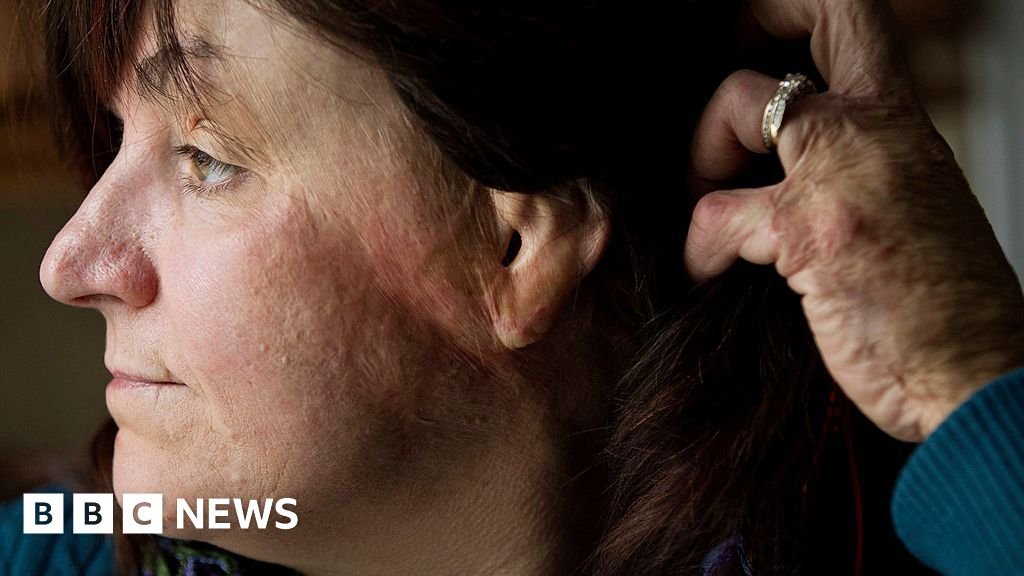
Both Gina and Phil, having lived through The Station fire, continue to carry visible and emotional scars. While Gina remembers Fred with love, Phil highlights his determination to live life to the fullest—the traumatic experience transformed their outlook on what truly matters.
Conclusion
Fires in crowded spaces underscore the urgent need for fire safety education and preparedness. The echoes of these tragedies remind us of the fragility of life and the necessity of proactive measures to prevent future disasters.
Key Takeaways:
- Fires can spread rapidly, leaving minimal time for escape.
- Psychological barriers often hinder decisive action during emergencies.
- There is a pressing need for improved fire safety regulations globally.
- Survivors continue to live with the lasting effects of their experiences.