

Military Developments in Ukraine and Ongoing Conflicts
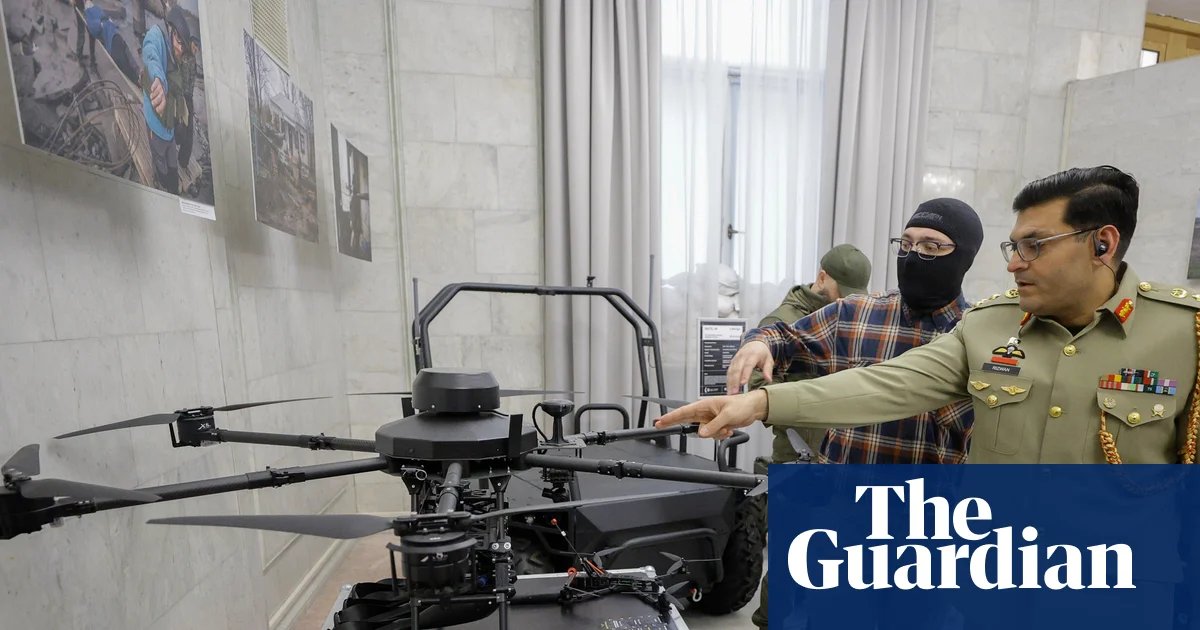
Ukraine is currently experiencing a significant surplus in various weapons categories, with reports indicating this surplus could reach up to 50%. President Volodymyr Zelenskyy revealed on Tuesday that military cooperation is already in progress with nations across the Middle East, Gulf, Europe, and the Caucasus. The agreements focus on the production and supply of drones, missiles, as well as advanced software and technology. Furthermore, Kyiv has submitted a proposal to the United States regarding collaboration on drones, defense systems, and a range of weaponry for air, land, and naval applications.
Attacks on Russian Infrastructure
On Wednesday, a notable oil facility located deep within Russia, in Perm—which is approximately 1,500 kilometers (900 miles) from Ukraine—was engulfed in flames following what President Zelenskyy claimed was another of Ukraine’s long-range drone strikes. NASA’s satellite fire monitoring system identified a hotspot above an array of tanks in the area. The Ukrainian Security Service (SBU) reported that the target was the Transneft pumping station, aiming to disrupt Russia’s energy revenue sources. Additionally, black smoke was observed rising from the southern Russian oil town of Tuapse, where residents donned face masks following multiple drone strikes on a nearby major oil refinery.
Sustained Attacks and Casualties
The ongoing conflict continues to inflict casualties, with the regional prosecutor’s office reporting eight injuries resulting from an attack in the Kharkiv region. In another incident in the Sumy region, a 60-year-old woman lost her life due to similar hostilities. In the southern Odesa region, strikes by Russian forces targeted Izmail, damaging a hospital and other infrastructure. A Ukrainian counterstrike in the Belgorod region resulted in the deaths of three minibus passengers and left eight injured, with Ukraine denying any intention to target civilians.
Changes to Russian Military Parades
For the first time in nearly two decades, Russia’s annual Victory Day parade, scheduled for May 9, will proceed without any military hardware. This decision, reported by Pjotr Sauer, appears linked to fears of potential long-range attacks by Ukrainian drones. Since the onset of the invasion, the parades have seen significant reductions, leading observers to speculate that ongoing battlefield losses have left Russia short on tanks and equipment essential for a fulfilling display. Last year’s elaborate commemoration of the 80th anniversary of Victory Day did include various military assets such as tanks and drones.
Diplomatic Tensions Over Grain Shipments
Ukraine has requested Israel to seize a cargo vessel that it alleges is transporting grain looted from Ukrainian territories currently occupied by Russia. This dispute has resulted in heightened diplomatic tensions between the two nations. The cargo ship, named Panormitis and operating under the Panamanian flag, is reportedly heading towards Haifa. The management company based in Greece has denied the claims of transporting stolen grain. Israel has stated that it is reviewing the evidence provided by Ukraine. Recent reports indicate that Israel has been purchasing grain allegedly taken by Russia from occupied Ukrainian areas for at least the past two years.
Economic Outlook for Russia
The Russian economy experienced a contraction of 0.3% in the first quarter of 2024, marking its first downturn since early last year. This contraction can be attributed to the ongoing war, sanctions from the west, and high interest rates. Despite experiencing growth since the first quarter of 2023—growth some analysts labeled unsustainable and unproductive, driven primarily by military production—key indicators show that many major Russian companies are facing difficulties in profitability. Current interest rates set at 14.5% and a lack of foreign investment are compounding challenges for these businesses.
Potential Ceasefire Discussions
In a recent phone call, Vladimir Putin proposed a temporary ceasefire in Ukraine to Donald Trump. During this conversation, the U.S. president indicated a preference for Putin to assist in resolving the conflict in Ukraine rather than focusing on issues in Iran. Following the call, Trump appeared to mix up the ongoing conflicts, commenting on the situation with Iran instead of Ukraine.
North Korean Involvement in the Conflict
Kim Jong-un has lauded North Korean soldiers who sacrificed their lives to avoid capture while engaging in battles alongside Russian forces against Ukraine in the Kursk region. This acknowledgment confirms the existence of a severe battlefield policy where troops prefer to use grenades against themselves. In 2024, approximately 14,000 North Korean personnel were sent to support Russia’s efforts in Ukraine, with reports indicating that over 6,000 have fallen during intense confrontations, according to both South Korean and Ukrainian officials.
Conclusion
The situation in Ukraine and its interactions with Russia remain complex and volatile. Developing military capabilities, extensive attacks on infrastructure, and shifting economic landscapes are all critical components of this ongoing saga. The recent diplomatic tensions and international discussions surrounding ceasefires also highlight the increasingly intricate nature of geopolitical relations today.
Key Takeaways
- Ukraine has a surplus of up to 50% in certain weapon categories and is actively engaging in military cooperation.
- Attacks on Russian oil facilities mark a strategic shift aiming to cripple Russia’s energy revenues.
- Casualties and ongoing conflicts continue to impact civilians in affected regions.
- Russia’s economy shows signs of contraction amid crippling sanctions and high-interest rates.