

Historic Shift in Hungarian Politics as Viktor Orbán is Ousted
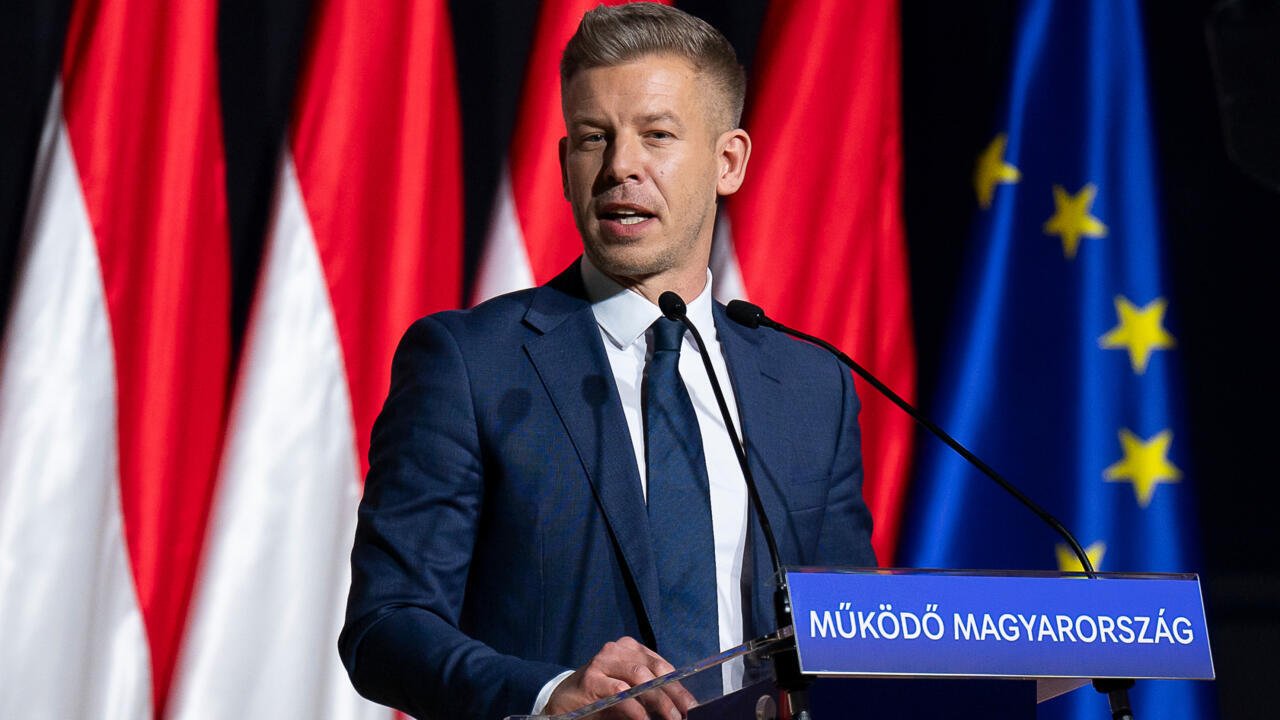
In a dramatic turn of events, Hungarian voters have decisively removed long-time Prime Minister Viktor Orbán from office after 16 years at the helm. This election marked a significant rejection of his authoritarian policies and the far-right ideology he represented, paving the way for a pro-European alternative. Péter Magyar, a former ally of Orbán turned critic, won the election by focusing on critical issues such as corruption and essential services. His victory is expected to have wide-ranging effects on both Hungary and the European Union.
The Election Results
With nearly all precincts reporting, Magyar’s Tisza party garnered an impressive 138 seats in the 199-seat parliament, achieving 53.6% of the vote and securing a two-thirds majority. This majority provides Tisza with the power to effect significant legislative changes. Orbán acknowledged the defeat, stating, “We are going to serve the Hungarian nation and our homeland from opposition,” and he extended congratulations to the winning party.
A New Direction for Hungary
Celebrations erupted across Budapest as supporters expressed their joy at the result. At a victory gathering by the Danube, Magyar declared, “Tonight, truth prevailed over lies.” He emphasized the collective effort of Hungarians who prioritized what they could contribute to their country. The enthusiastic atmosphere took on a historical tone as revelers chanted “Ruszkik haza!”—a phrase from Hungary’s 1956 anti-Soviet uprising—as a nod to its resistance against foreign influence.
Aftermath for Orbán and the European Landscape
Viktor Orbán, recognized as the EU’s longest-serving leader and a contentious figure within the bloc, has undergone a transformation from a young liberal to a staunch nationalist. His government had frequently frustrated EU efforts, particularly in relation to support for Ukraine amidst its conflict with Russia. The EU is now poised to monitor how Magyar’s administration reshapes Hungary’s foreign policy and its approach to the ongoing crisis.
The Significance Beyond Borders
Orbán’s government had become a symbol for nationalist populism, inspiring similar movements globally. His alliance with prominent figures like Donald Trump and Vladimir Putin showcased his strategy of leveraging state power to manipulate democratic processes. As Magyar takes office, his role could redefine how far-right ideologies are viewed and acted upon throughout Europe and beyond.
Younger Generations Call for Change
Voter sentiment among the younger population was palpable. For many, like 21-year-old Marcell Mehringer, the desire was clear: “I want Hungary to thrive as a European country,” he said, emphasizing the importance of unity and moving past divisive politics.
Challenges Ahead for the New Administration
Magyar, who broke away from Orbán’s Fidesz party to form Tisza, faces the uphill task of contending with Orbán’s extensive control over media and establishing equitable electoral practices. Despite significant hurdles, including a system designed to favor the incumbent, Magyar’s campaign has resonated with voters yearning for change.
Looking Forward
As Hungary transitions to a new government, the upcoming administration’s direction will serve as a litmus test for the country’s political ideology. The election has sparked discussions about Hungary’s role within Europe—whether it will lean more towards democratic values or continue its tilt towards authoritarianism.
Conclusion
Magyar’s election signals a pivotal shift in Hungarian politics, moving away from Orbán’s tenure marked by autocratic governance and towards a more transparent and collaborative approach with Europe. As both Hungarian citizens and global observers watch closely, the implications of this election will resonate for years to come.
Key Takeaways
- Viktor Orbán has been ousted after 16 years in power, signaling a shift in Hungarian politics.
- Péter Magyar’s Tisza party won a decisive majority, promising reforms and closer ties with the EU.
- Young voters played a crucial role in the election, seeking a more united and democratic Hungary.
- This election outcome could influence far-right movements worldwide and reshape Hungary’s international relations.