

The Global Impact of Gen Z Protests: A Six-Month Retrospective
In recent months, Generation Z activists have surged to the forefront of political movements in several countries across the Global South. These passionate young protesters have made headlines for demanding sweeping changes, yet six months after large-scale demonstrations unfolded in Nepal, Madagascar, and Morocco, we must ask: to what extent have their demands been addressed? This article explores the progress and challenges faced by these youth movements and assesses their influence on the political landscape.
Promises of Change in Nepal
In what could be hailed as a breakthrough victory for Gen Z, Nepal welcomed a fresh face in politics when Balendra Shah, affectionately known as “Balen,” was sworn in as the youngest prime minister in the country’s history. At 35 years old, he emerged as a beacon of hope for young citizens disillusioned with corruption and political stagnation after the downfall of the government led by KP Sharma Oli. Formerly the mayor of Kathmandu and a rapper, Balen galvanized support through his vocal opposition to systemic issues.
Following his swearing-in, Balen wasted no time in addressing past injustices. He initiated steps to pursue accountability regarding last year’s violent suppression of protests, leading to the arrest of former leaders involved in the crackdown, including Oli and the former interior minister.
However, uncertainty looms over Balen’s plans to revitalize Nepal’s struggling economy, enhance government accountability, combat corruption, and ensure wealth distribution—the very commitments that propelled him to power. Critics are calling for clarity in his vision as the country grapples with rising energy costs and the impacts of climate change, which threaten the livelihoods of countless citizens.
Challenges Faced in Bangladesh
The student-led movement in Bangladesh managed to disrupt the political order in 2024. However, the follow-up legislative elections in February highlighted the difficulties of translating protest momentum into electoral success. Despite the inclusion of younger candidates, the traditional Bangladesh Nationalist Party secured a decisive victory, emphasizing a preference for established political actors over the new wave of youth-led initiatives.
While the Gen Z movement captured public sentiment and shaped discussions around necessary reforms, it struggled to gain real traction in the political arena. “The protests illustrated a significant desire for change, yet that desire did not translate into actionable political power,” noted a political analyst, pointing out the continued dominance of established parties in the electoral system.
Oppression of Youth Activism in Morocco
Moroccan activists from the “Gen Z 212” movement have faced grave challenges, including systematic harassment and arrests. Recently, rapper Souhaib Qabli was sentenced to eight years in prison for comments seen as critical of the ruling elite. His case is emblematic of the crackdown on dissenting voices within a country grappling with social inequities and widespread corruption.
The crackdowns have fueled a chilling atmosphere, prompting many families to shy away from public demonstrations out of fear. Human rights advocates report an alarming number of arrests, with thousands still in custody. Activists continue to await government commitments made in the aftermath of initial protests, which included pledges to improve healthcare services—demands that remain largely unfulfilled.
Uncertainty in Madagascar
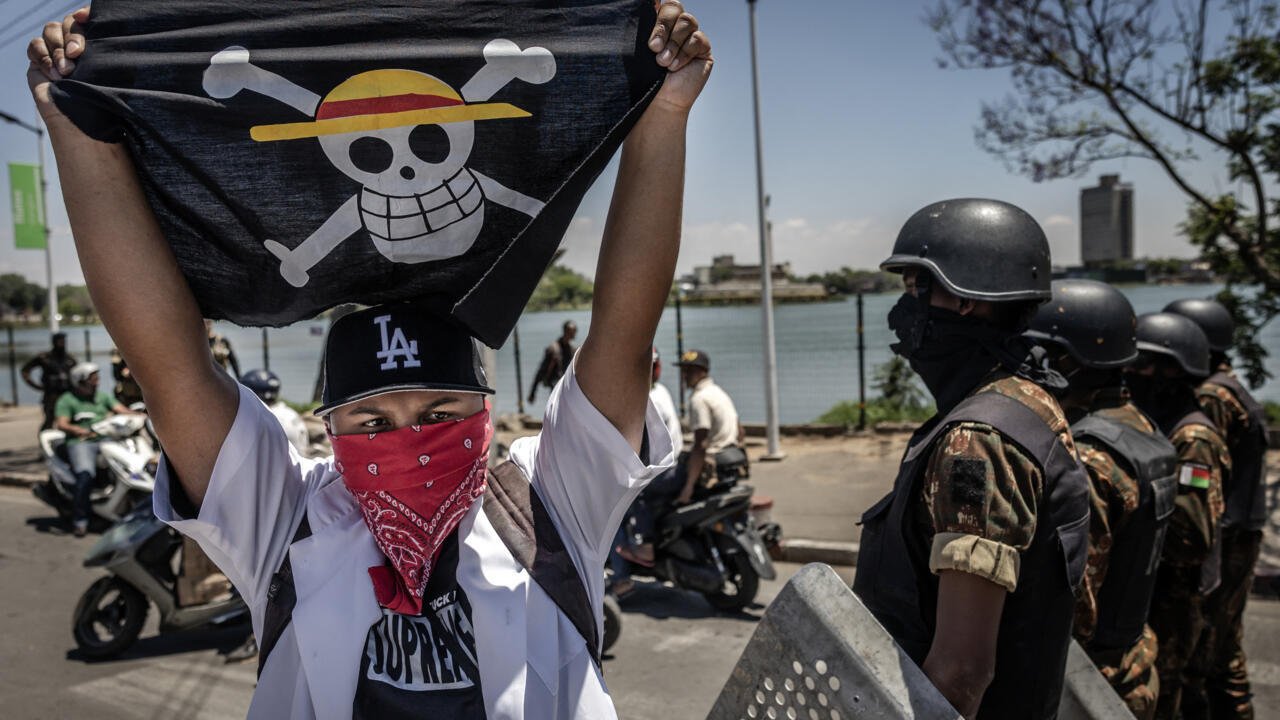
Meanwhile, Madagascar’s youth are observing the newly appointed government with skepticism. Despite the ousting of long-standing President Andry Rajoelina, none of the leaders from the protest movement have been integrated into the new administration. Interim President Colonel Michael Randrianirina, who has positioned himself as an anti-corruption figure, has promised elections by 2027 but faces significant scrutiny from the youth, who skeptically question his sincerity amidst unfulfilled pledges for reform.
Madagascar remains one of the poorest nations globally, with vast inequalities persisting despite its rich resources. The youth movement is actively seeking to hold the new government accountable, advocating for substantial changes while carefully avoiding the creation of a formal political party.
Kenya’s Youth Mobilization Ahead of Elections
In Kenya, the atmosphere is charged as Gen Z continues to rally for political engagement ahead of the 2027 presidential elections. Under the banner of #NikoKadi, young activists are mobilizing to elevate voter registration among their peers, aiming to combat growing apathy towards the political system. This grassroots campaign highlights not only the necessity for participation but also the frustration with the existing governance.
Recent protests against tax increases saw the youth actively pushing back against the current administration, further amplifying their call for a more engaged and accountable government. With growing disenchantment regarding historical voter turnout decreasing, the movement seeks to reclaim political influence and ensure youth perspectives are represented.
Conclusion
The landscape of youth activism across the Global South showcases both inspiring achievements and significant setbacks. While Gen Z movements in Nepal, Madagascar, Morocco, and Kenya have collectively ignited public discourse around necessary reforms, the translation of protests into tangible policy change remains a formidable challenge. As these activists continue to fight for their rights and demand accountability, their journeys will undoubtedly shape the future of political landscapes in their respective countries.
- Nepal’s new Prime Minister Balendra Shah faces pressure to fulfill the promises of his campaign.
- Bangladesh’s Gen Z movement managed to influence public dialogue but struggled to gain electoral power.
- Moroccan activists face severe repression, highlighting the dangers of dissent in authoritarian regimes.
- Kenya’s youth are actively working to mobilize voters ahead of upcoming elections, seeking to reshape political dynamics.