

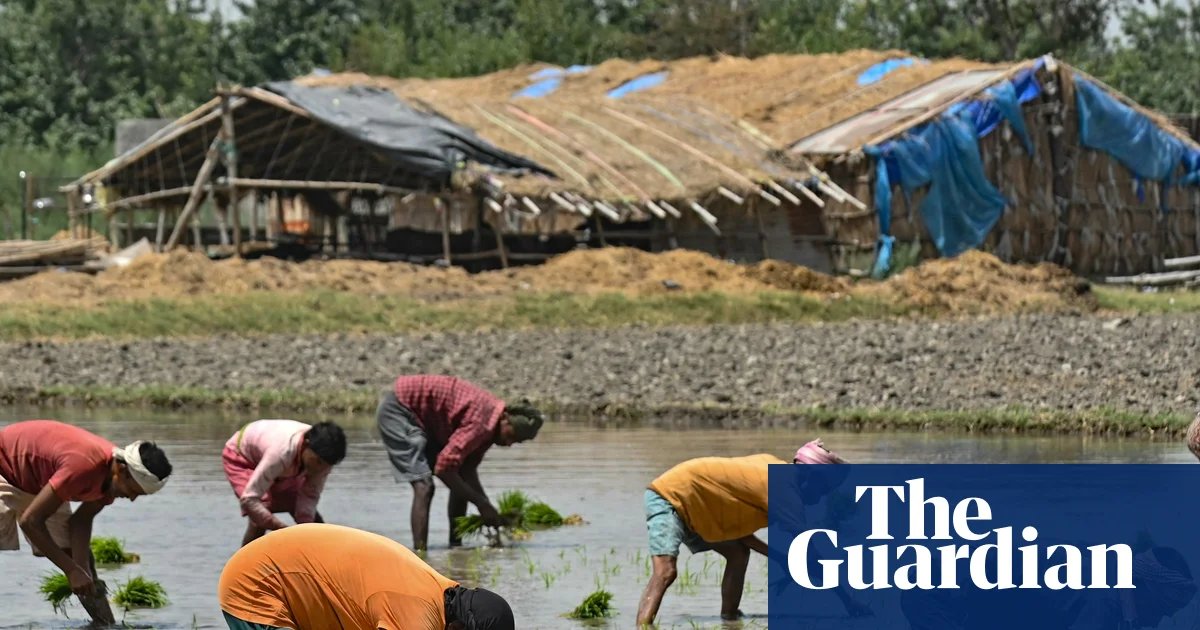
The Ripple Effects of Conflict: How a War in Iran is Impacting Farmers in South Asia
As tensions escalate in Iran, farmers halfway across the globe in India are feeling the repercussions of a conflict they never imagined would affect them. The war’s potential to disrupt global agricultural supplies is causing significant anxiety for those reliant on farming, with rising costs and dwindling resources posing serious threats to food security.
Farming Amid Uncertainty
Gurvinder Singh, a 52-year-old farmer from Punjab, India’s agricultural heartland, is deeply concerned about the future of his rice crop this season. “We’re already struggling to make ends meet,” he shared, emphasizing the critical role that fertilizers play in ensuring a good yield. “If we don’t receive the fertilizers we need, it will affect not just my family but the entire community that depends on farming.” His fears echo those of many farmers within the region, who are bracing for the challenges posed by the ongoing conflict.
The Global Context
The war in Iran has led the nation to blockade a key shipping route, the Strait of Hormuz, which is vital for the transportation of oil and gas supplies. This blockade, following military actions from the US and Israel, has created ripples across the globe, leading to heightened prices and fears of supply shortages. Analysts warn that the implications of the conflict will extend beyond oil to affect global food security, heightening the risk of food shortages, especially in developing nations.
A Looming Food Crisis
Experts note that countries in South Asia, particularly India and Sri Lanka, are especially vulnerable due to their heavy reliance on imported fertilizers and fuel. India stands as the second-largest consumer of fertilizers worldwide, using over 60 million tonnes annually, with a significant portion sourced from Gulf nations. The disruption of supplies could severely impair agricultural productivity, impacting essential crops such as rice.
The shortfall in gas and fertilizers raises immediate concerns for farmers. The agricultural sector in India, already under pressure from rising operational costs, risks further difficulties. The current situation spells gloom for farmers as uncertainty looms over their capacity to plant and harvest crops, with warnings indicating potential rice shortages in the near future.
Local Repercussions
In grain-producing states like Punjab and Haryana, while the immediate effects have yet to surface, farmers are growing increasingly anxious. As the kharif sowing season approaches, many are choosing to stockpile fertilizers in anticipation of possible shortages. “In my 35 years of farming, I’ve never witnessed this level of panic,” said a retailer in Karnataka.
Despite government assurances of adequate fertilizer stocks, farmers express distrust and worry. Many are already operating under the weight of debt, with soaring prices making it nearly impossible to maintain their livelihoods. “The panic is palpable. Any further disruptions will greatly harm our productivity,” lamented a farmer from Punjab.
The Broader Impact on Sri Lanka
Across the waters in Sri Lanka, the situation is equally dire. Farmers there remember all too well the disastrous consequences of fertilizer shortages from the economic crisis of a few years prior. A farmer from Monaragala expressed his fears about escalating prices and a lack of resources, stating he might forgo planting next season’s rice crop altogether due to the looming threat of debt.
Even as the Sri Lankan government promotes measures to manage fertilizer distribution, farmers remain skeptical. Warnings from local agricultural leaders suggest that the nation faces a more profound crisis than the fuel shortages it currently grapples with. The potential impact on food security poses a wide-ranging threat to the country’s stability.
Conclusion
The conflict in Iran serves as a potent reminder of how interconnected our global systems are—where actions thousands of miles away can create significant local consequences. Farmers in India and Sri Lanka are bracing for the fallout of rising fertilizer prices and potential shortages, and if this turmoil continues, it could have severe implications for food security in the region.
- Farmers in Punjab, India, are anxious about their rice crops due to the ongoing conflict in Iran.
- The war has led to blockades that threaten oil and fertilizer supplies, raising concerns over global food security.
- South Asian countries like India and Sri Lanka face heightened vulnerability due to reliance on imported agricultural materials.
- Farmers express panic and distrust towards government assurances, fearing significant disruptions to their livelihoods.