

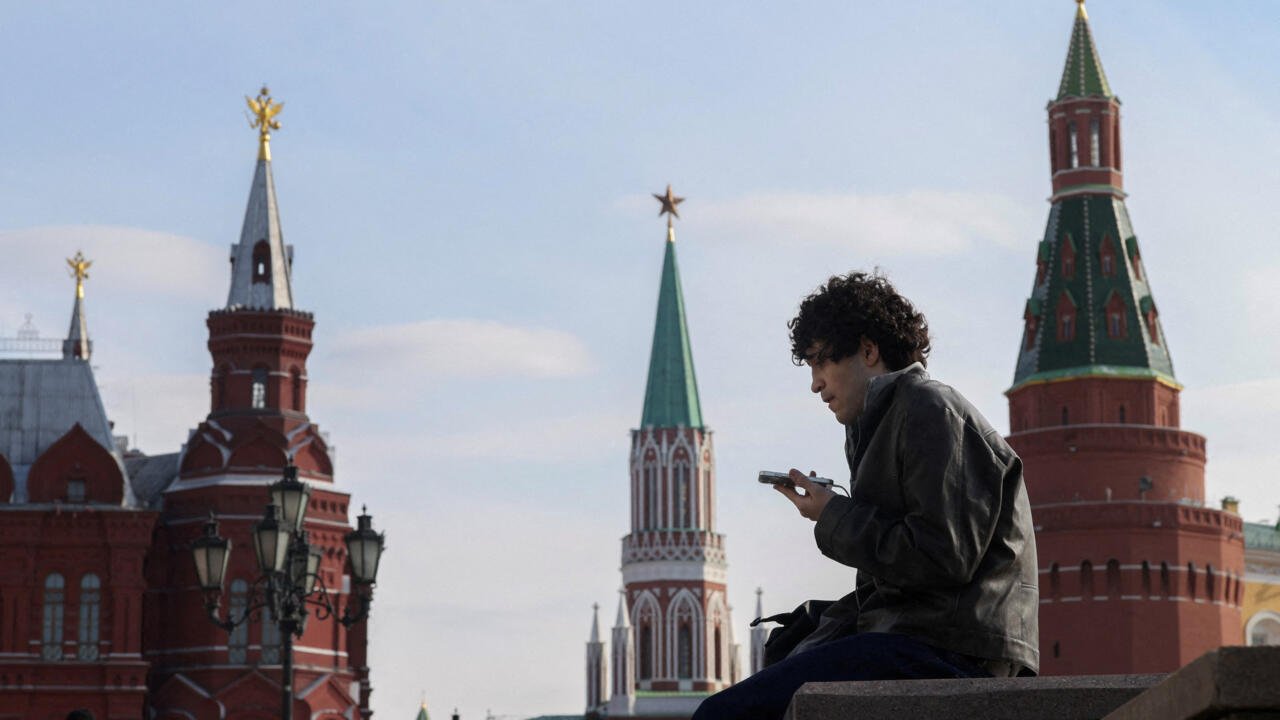
Internet Outage in Moscow: A New Reality
On March 6, Moscovites faced an unusual challenge as they awoke to discover that mobile internet services in the city center had vanished. This sudden outage left smartphone users unable to browse the web, use messaging applications, or complete daily tasks such as ordering taxis and making contactless payments. Adding to the confusion, the government provided minimal explanation for the blackout, attributing it to “security reasons” without indicating when, or if, services would resume. As the situation persisted, residents turned to WiFi for internet access in homes and certain public places, sparking a surge in the sales of paper maps, pagers, and walkie-talkies for those looking for alternatives. A humorous front-page cartoon from the Russian newspaper Izvestia depicted citizens bewildered as their smartphones transformed into bricks, while carrier pigeons flew high above the city. Eventually, on March 25, the mobile internet restrictions were lifted unexpectedly, though connectivity remained unreliable in many areas.
The Situation in St. Petersburg
As the mobile internet blackout persisted in Moscow, a similar wave of restrictions emerged in St. Petersburg, Russia’s second-largest city. This time, officials informed the city’s 5.6 million residents ahead of time, warning them about imminent internet outages—again invoking “security reasons.”
Wider Context of Internet Restrictions
Internet disruptions are not a new phenomenon in Moscow. Since the escalation of the conflict in Ukraine in February 2022, GPS services have often been unavailable. More recently, the widespread outages in the two major cities reflect a broader trend affecting many regions across the country. Authorities have frequently justified these internet disruptions, particularly in areas close to the Ukrainian border, as a response to potential drone threats. Reports from November 2025 indicated that an average of 57 Russian regions experienced daily mobile phone disruptions, according to monitoring group Na Svyazi. Russian Security Council Secretary Sergei Shoigu stated, “no region of Russia can feel safe” from drone attacks.
Access During Restrictions
During these blackout periods, only a select few websites and services remained accessible, predominantly those on the government-approved “white list.” This list primarily consists of official websites and includes Max, an unencrypted state messaging application that has been pre-installed on devices sold in Russia since September. Aimed at consolidating social media, messaging, and access to government services, Max has raised concerns about state surveillance, as many citizens are apprehensive about being monitored. Analyst Oleg Ignatov noted, “If you live in Russia, you would never discuss anything sensitive on Max. You use a different messenger to talk about these matters.”
Government Plans and Public Reaction
As the situation worsens, the government has announced plans to ban the encrypted messaging app Telegram, which boasts over 96 million users in the country. This move, alongside restrictions on Western platforms like WhatsApp and YouTube, signals a larger initiative to isolate the nation from global information and complicate internal communications. According to Nigel Gould-Davies of the International Institute for Strategic Studies, the outages appear to be part of a broader strategy aimed at increasing control over the population.
The abrupt loss of mobile internet services has raised alarms regarding government intentions to enhance surveillance and tighten online restrictions. Ignatov remarked on the sudden nature of the outages, saying, “It happened suddenly, without explanation, and the problem is that nobody knows why they imposed such restrictions.” The economic impact was notable, with companies in Moscow experiencing combined losses of nearly $63 million in just the first five days of the blackout, an alarming precedent for further restrictions.
Conclusion
As services begin to come back online, Russia’s Interior Ministry has issued warnings against participating in “unauthorized public events,” alluding to a rise in calls for demonstrations. The government cautioned that any attempts to organize such gatherings would face immediate suppression.
Key Takeaways
- Mobile internet outages have disrupted daily life in Moscow and St. Petersburg.
- The government has implemented restrictions citing “security reasons” amidst ongoing regional tensions.
- Concerns about surveillance are rising with the mandatory use of the state messaging app Max.
- The economic repercussions of the internet cuts have been substantial, leading to significant losses for local businesses.