

Understanding the Impact of the Strait of Hormuz on Global Power Dynamics
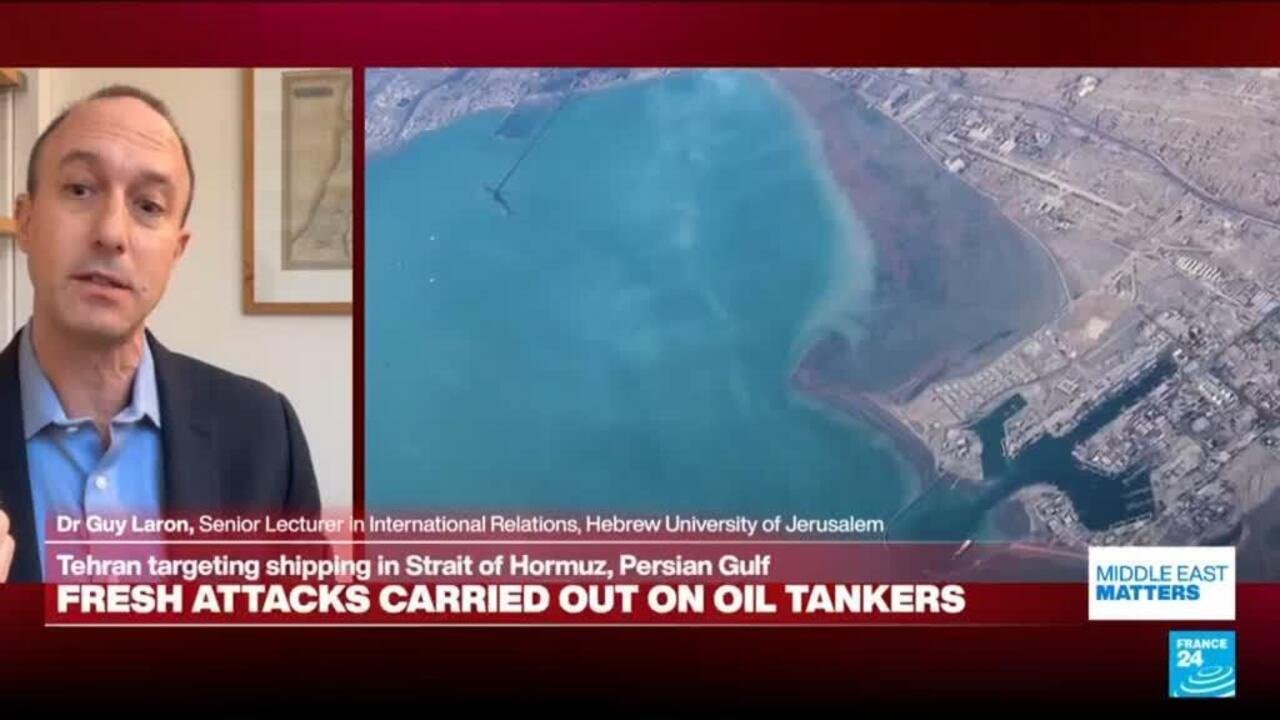
In light of the ongoing tensions surrounding the Strait of Hormuz, we have the privilege of learning from Dr. Guy Laron, the author of “Oil Wars” and a specialist in International Relations at the Hebrew University of Jerusalem. Dr. Laron emphasizes that the situation extends beyond local disputes; it serves as a fundamental example of how energy chokepoints can influence worldwide power dynamics.
The Significance of Energy Chokepoints
As one of the most crucial transit points for oil shipments, the Strait of Hormuz plays a pivotal role in international energy trade. Dr. Laron points out that Iran’s approach has consistently leveraged this strategic chokepoint, reinforcing its significance in shaping not only regional but also global politics.
Iran’s Strategic Approach
Iran has adeptly utilized the Strait of Hormuz to assert pressure on other nations and to maintain its geopolitical influence. This method has been a recurring theme in modern history, where control over key maritime passages has often resulted in significant shifts in power and alliances.
The Historical Context
Throughout history, energy chokepoints like Hormuz have been crucial in conflicts and negotiations. Various nations have sought to dominate these areas to secure their energy supplies and economic interests. Dr. Laron notes how such tactics were previously evident during different oil crises, highlighting the repetitive patterns of these strategies.
Lessons Learned from the Past
These historical insights allow us to understand the current dynamics better and anticipate future developments in energy politics. The interplay between regional actors and their external counterparts continues to evolve, often resulting in crises that reverberate across the globe.
Conclusion
The Strait of Hormuz remains a focal point in discussions about energy security and global power relations. By delving into the strategic implications emphasized by experts like Dr. Laron, we can gain a clearer perspective on how such chokepoints are more than mere geographical locations; they are vital elements in the intricate web of international relations.
Key Takeaways
- The Strait of Hormuz is a crucial chokepoint in global energy trade.
- Iran exploits this strategic location to bolster its geopolitical position.
- Historical patterns show that control over energy routes significantly impacts global power dynamics.
- Understanding these factors is essential for forecasting future geopolitical developments.