

Temporary Allowance for Russian Oil Sales Amid Middle East Crisis
The United States has announced a temporary permit for the sale of Russian oil currently at sea, a decision shaped by the rising energy prices following recent US-Israeli military actions in Iran that have intensified turmoil in the Middle East. This development signifies a brief relaxation of the ongoing economic sanctions against Russia due to its invasion of Ukraine.
Details of the Authorisation
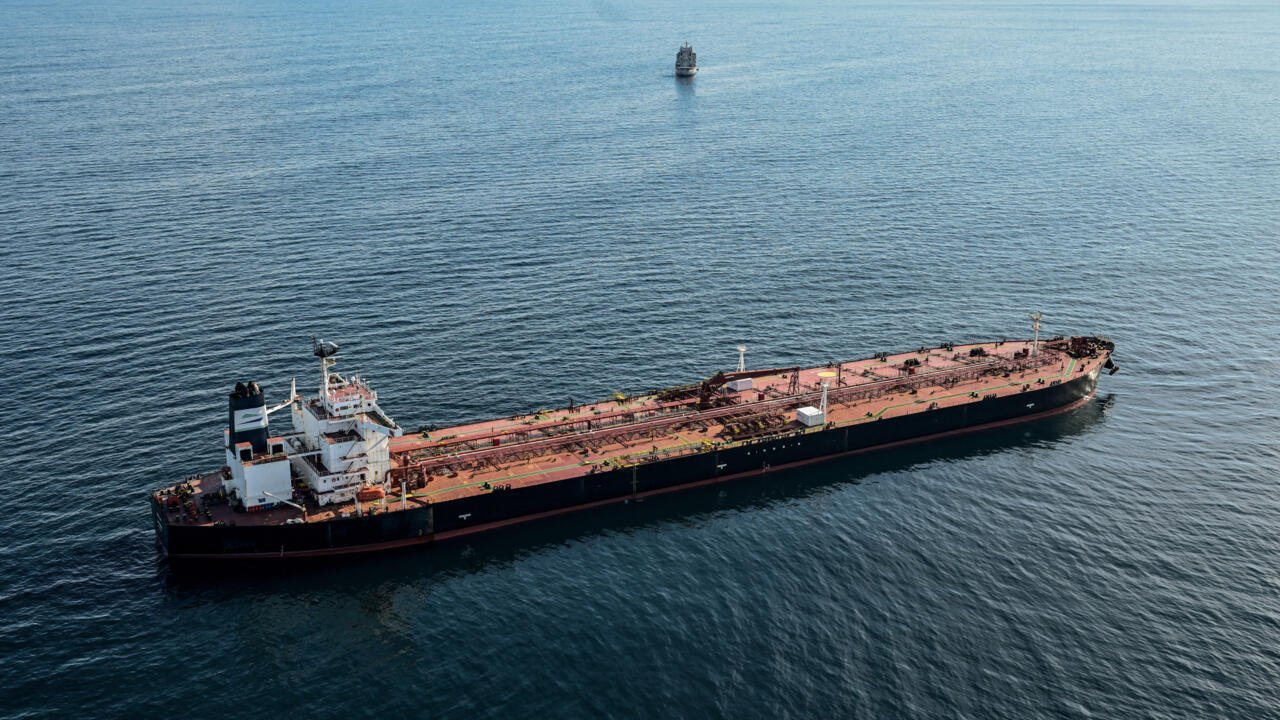
On Thursday, the Treasury Department issued a license that permits the delivery and sale of Russian crude oil and petroleum products loaded on ships by 12:01 AM Eastern Time on March 12, with the authorization extending until 12:01 AM on April 11.
Context of the Move
This decision follows last week’s allowance for the sale of Russian oil that had been stuck at sea, particularly facilitating sales to India. US Treasury Secretary Scott Bessent explained that this latest exemption was designed to “enhance the global availability of existing supplies.” However, he stressed that this action is “narrowly tailored” and only intended as a short-term solution.
Implications for Russian Revenue
Bessent further clarified that this measure would not provide substantial financial aid to the Russian government, which primarily earns its revenue from taxes levied at the production stage. In previous statements, Bessent indicated that the Trump administration was contemplating the lifting of sanctions on additional Russian oil.
Impact of Middle East Conflict on Energy Markets
The ongoing conflict in the Middle East has severely disrupted global energy and transport sectors, particularly affecting operations in the vital Strait of Hormuz, a key transit route for approximately one-fifth of the world’s oil supply.
Conclusion
The recent permission for the sale of Russian oil serves as a temporary measure in response to escalating energy prices due to geopolitical tensions. While it aims to alleviate supply concerns temporarily, it underscores the complexities of international energy policies amid conflict.
Key Takeaways:
- The US allows temporary sales of Russian oil at sea.
- This decision is aimed at mitigating rising global energy prices.
- The measure is considered a short-term, limited solution.
- Ongoing conflicts are disrupting critical energy transit routes.