

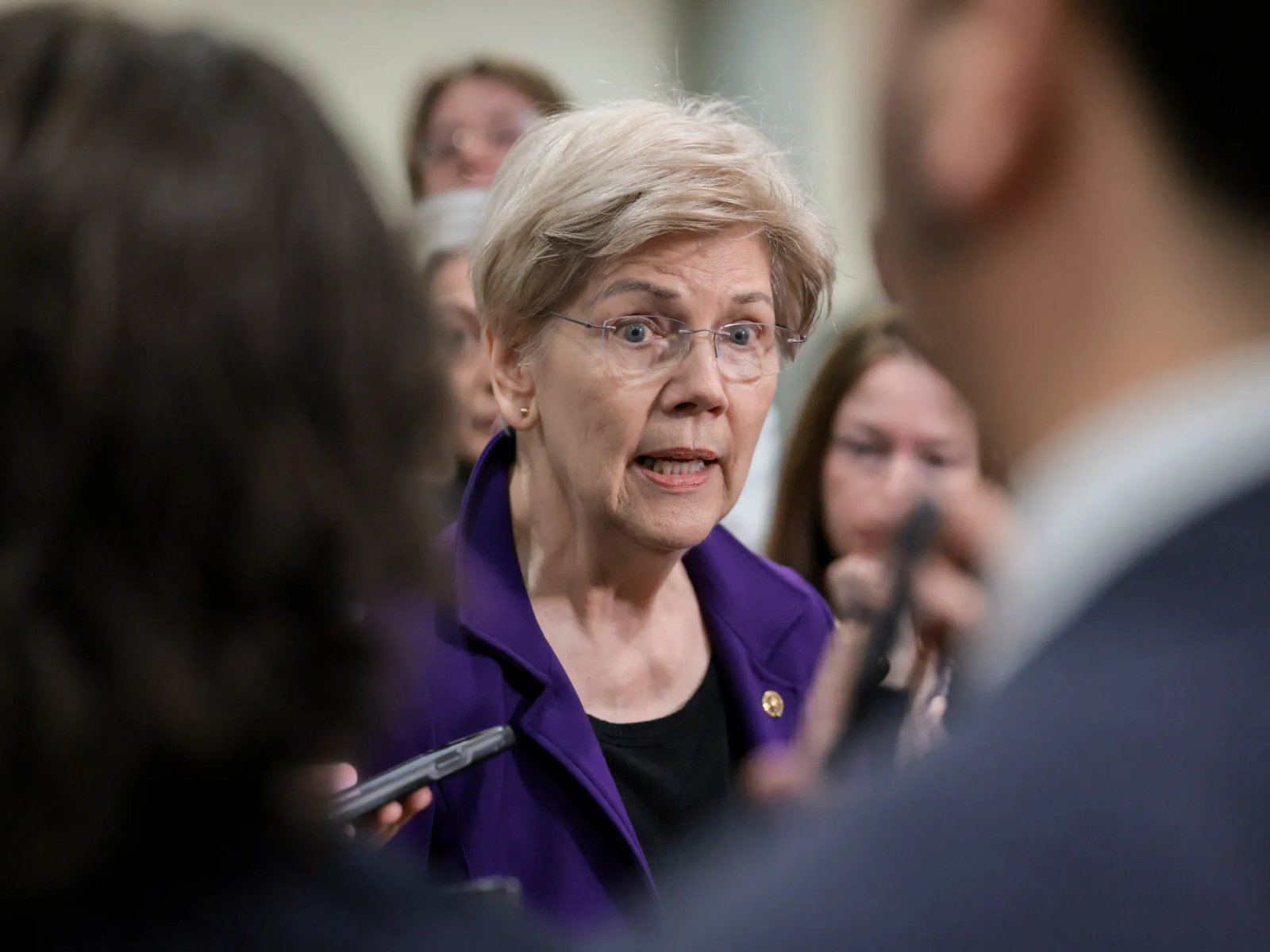
Senate Democrats Call for Public Hearings on Iran Conflict
A group of Democratic senators is urging for public hearings regarding the ongoing conflict involving Iran, following a series of classified briefings from officials in President Trump’s administration. They express concern over the clarity of the objectives of the war, its duration, and the reasoning behind the United States’ involvement.
Background on the Situation
The current Senate, with a narrow Republican majority of 53 to 47, holds the reins on which legislation can be explored in discussions. Frustrations have been mounting among Democrats, especially after the latest classified briefing. Notably, President Trump has not ruled out the possibility of deploying ground troops into Iran.
Senator Chris Murphy from Connecticut commented, “I just came from a two-hour classified briefing on the war. It confirmed to me that the strategy is totally incoherent. If the president did what the Constitution requires and came to Congress to seek authorization for this war, he wouldn’t get it—because the American people would demand that their members of Congress vote no.”
Details of the Conflict
What Has Happened So Far?
Since the US and Israel initiated strikes on Iran on February 28, top officials, including Secretary of State Marco Rubio and Defense Secretary Pete Hegseth, have been conducting several closed-door briefings with Congress about the military campaign. Due to the classified nature of these meetings, lawmakers are limited in what they can share publicly about the information provided.
Democratic Senators’ Reactions
Multiple Democratic senators have expressed their frustration after these briefings, claiming the administration failed to give clear answers regarding the war’s goals, expected timeline, and long-term strategy. Six Democratic senators have also requested an investigation into an attack on a girls’ school in Minab, southern Iran, which reportedly involved US forces and resulted in at least 170 casualties, mostly children.
Senator Richard Blumenthal remarked, “There seems to be no endgame. The president, almost in a single breath, says it’s almost done, and at the same time, it’s just begun. So this is kind of contradictory.”
Senator Elizabeth Warren from Massachusetts raised alarms about the war’s financial implications, stating, “While there is no money for 15 million Americans who lost their health care, there’s a billion dollars a day to spend on bombing Iran.” She emphasized Congress’s power to halt such actions through its budgetary control.
Concerns about the potential ground deployment of American troops are also surfacing. Blumenthal warned, “The American people deserve to know much more than this administration has told them about the cost of the war, the danger to our sons and daughters in uniform, and the potential for further escalation.”
Republican Perspectives
Republicans, holding a slim majority in Congress, have largely stood behind Trump’s military actions against Iran, viewing the strikes as essential to diminish Iran’s military capabilities and influence in the region. Representative Brian Mast from Florida publicly thanked Trump for his actions, asserting it as a necessary defense against an “imminent threat” posed by Iran.
However, some Republican lawmakers have voiced concerns, with Representative Nancy Mace from South Carolina expressing her hesitation to send troops into conflict. Senator Rand Paul from Kentucky criticized the administration for its shifting justifications for the war, stating, “War should be a last resort, not our first move. A war of choice is not my choice.” He challenged the administration’s rationale for the conflict, calling for more cautious consideration.
Understanding the Debate
The current discussions have reignited a longstanding debate regarding the limits of presidential authority in wartime decisions. According to the US Constitution, Congress has the exclusive power to declare war; however, many recent presidents have conducted military actions without explicit congressional approval, citing national security emergencies.
The War Powers Resolution allows the President to deploy forces for 60 days without congressional authorization, followed by an optional withdrawal period if Congress does not approve the action. Legal experts have pointed out that the war with Iran underscores the need for enhanced congressional oversight of military operations.
David Schultz, a political science professor at Hamline University, remarked that the president’s actions could be deemed unconstitutional due to the lack of formal war declaration or possible overreach of authority. He noted, “The justification for military action without congressional approval needs to be critically examined.”
The Trump administration, however, maintains that the February 28 strikes were a legally justified response to an “imminent threat” from Iran, a rationalization commonly used by leaders to bypass prior congressional consent. It’s worth noting that US intelligence had reportedly indicated there was no imminent threat from Iran prior to the onset of hostilities.
Conclusion
The demand for public hearings about the US military engagement in Iran is not just a matter of legislative oversight, but also reflects deeper concerns about the nature of military conflicts and the balance of power between Congress and the presidency. As the situation develops, the implications of these ongoing debates about authority and justification will continue to shape public discourse.
Key Takeaways
- A group of Senate Democrats is pushing for transparency regarding the US’s military actions in Iran after classified briefings.
- Concerns have been raised about the war’s objectives, costs, and the potential for ground troop deployment.
- While Republicans generally support the military actions, some express hesitation and concern over shifting justifications for the war.
- The ongoing conflict brings to light critical discussions about the limits of presidential power in military decisions.