

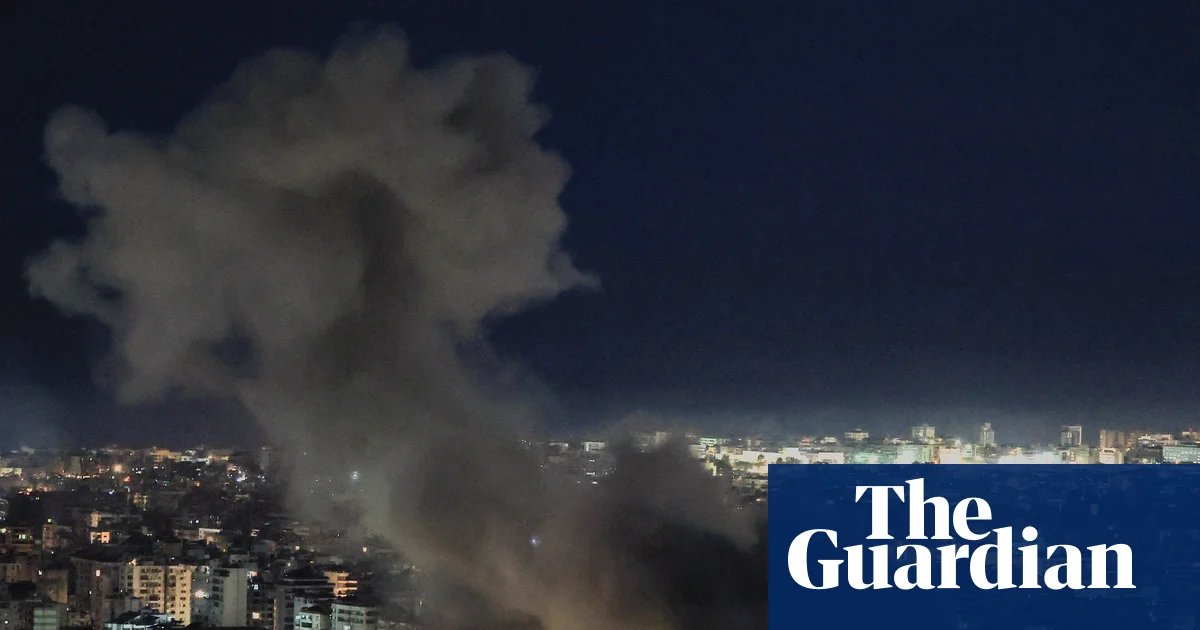
Intensifying Conflict: Israel’s Airstrikes on Southern Beirut
In a dramatic development, Israel has initiated extensive airstrikes against the southern suburbs of Beirut, shortly after issuing a mandatory evacuation order for over 500,000 residents in the area. This move has incited panic among the population as families hurriedly fled their homes amidst the chaos.
Mass Evacuations and Airstrikes
The Israeli Defense Forces (IDF) urged all inhabitants to “save your lives and evacuate your homes immediately.” This call led to scenes of desperation in Lebanon’s capital, with many attempting to escape before Israeli warplanes targeted what were claimed to be Hezbollah installations. The evacuation zone notably encompassed significant sites, including hospitals and government offices.
These airstrikes represent a significant escalation in Israel’s military operations in Lebanon, which have been ongoing since Hezbollah launched missiles and drones into Israeli territory earlier this week. Eyewitness footage illustrated thick smoke rising over the Dahiya neighborhood, prompting comments from Israel’s finance minister, who suggested the area may resemble the devastation of Gaza’s Khan Younis following Israeli bombings.
Retaliatory Actions and Escalating Tensions
In response to the ongoing conflict, Iran has initiated retaliatory airstrikes targeting Israeli and U.S. military bases throughout the region. U.S. Secretary of Defense, Pete Hegseth, hinted at further escalations, stating, “If you think you’ve seen something, just wait.”
At the White House, former President Donald Trump proposed that members of Iran’s Islamic Revolutionary Guards Corps could receive immunity if they laid down their arms but warned of “guaranteed death” for those who did not comply. He also expressed his desire to be involved in selecting Iran’s next supreme leader following the death of Ayatollah Ali Khamenei in a U.S.-Israeli airstrike.
The Human Toll and Regional Fallout
The conflict has already claimed many lives: 102 individuals in Lebanon have reportedly died due to Israeli airstrikes, alongside significant casualties in Iran and other locations. Traffic gridlock was reported in Beirut as families sought ways to evacuate quickly, and many were seen carrying infants or assisting elderly relatives out of the city.
Israeli military officials have urged evacuees to follow designated routes, a strategic approach reminiscent of measures taken during prior conflicts. The situation remains tense, with the Iran-Israel conflict drawing in numerous countries and raising fears of further escalation beyond the immediate region.
A Broader Conflict Emerges
As the military skirmishes continue, Iran has broadened its campaign of strikes, which include targeting locations as distant as Cyprus, evocative of the widespread tensions reminiscent of the COVID-19 travel impacts. Meanwhile, the fallout has also been felt in the Gulf, where reports of Iranian missile launches towards U.S. bases have become more frequent.
In Azerbaijan, drone attacks have raised alarms, with Iran accused of striking near sensitive locations. Azerbaijan’s president condemned these actions, indicating readiness to respond. Amidst these developments, Iran’s foreign minister has expressed vehement disapproval of U.S. military actions, pledging that the U.S. would regret its actions.
- Israel has launched extensive airstrikes on southern Beirut following a mass evacuation order.
- Iran’s retaliation has expanded to airstrikes on U.S. and Israeli assets as tensions escalate.
- The conflict has resulted in significant casualties, including over 100 deaths in Lebanon.
- Regional stability is in jeopardy as multiple countries become involved in the ongoing war.